The retina is a thin layer of tissue located at the back of the eye. It plays an important role in vision by converting light into signals that the brain interprets as images. When the retina becomes damaged due to disease, injury, or aging, it can lead to vision loss or serious eye complications.
Retinal diseases affect millions of people worldwide and generally develop silently in the early stages. Because of this, early diagnosis and proper treatment are essential for protecting vision. Retina specialists are ophthalmologists with advanced training in diagnosing and treating complex retinal conditions using medical, laser, and surgical techniques.
Understanding the most common retinal diseases and how specialists treat them can help patients recognize symptoms early and seek timely medical care.
Understanding the Role of a Retina Specialist
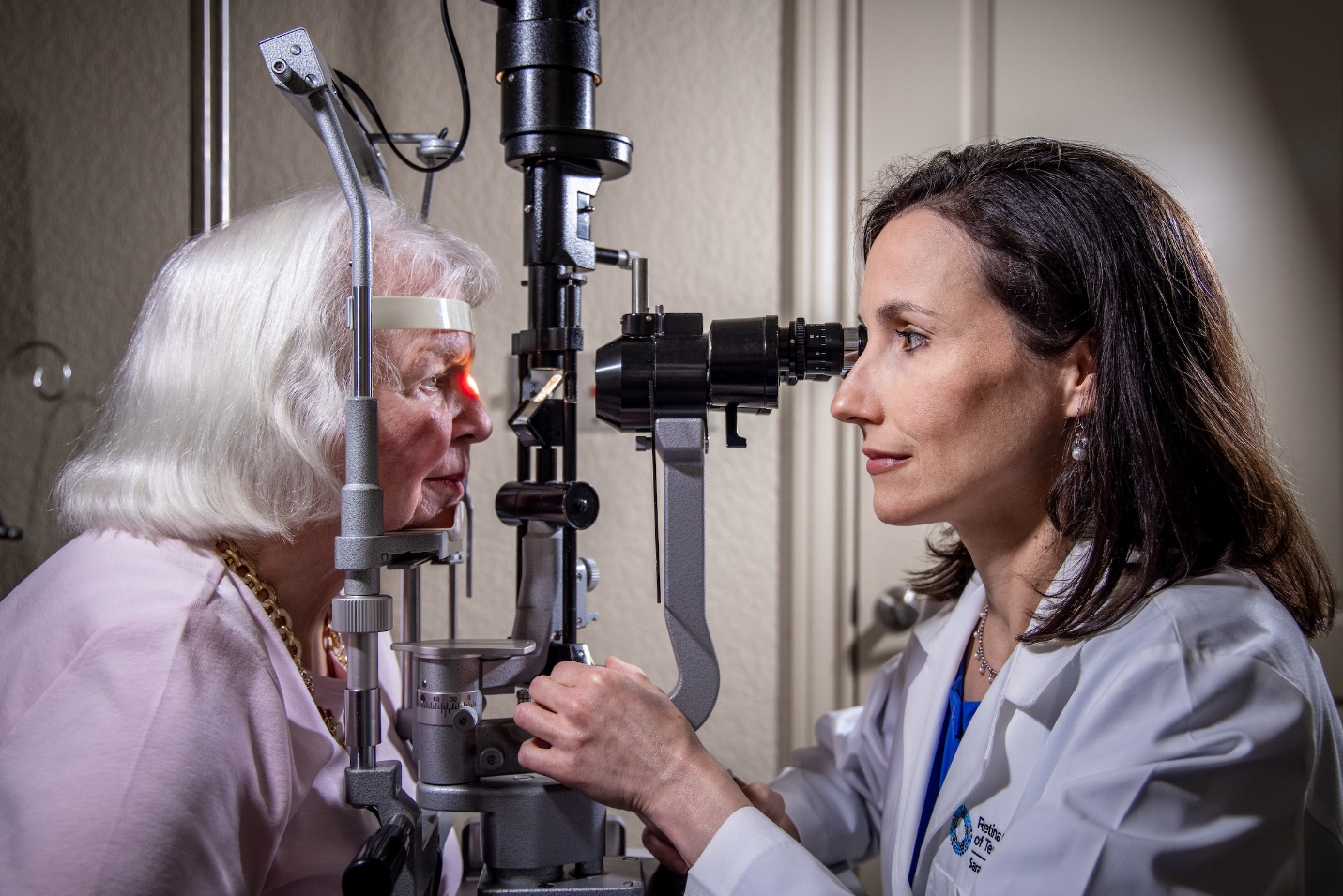
A retina specialist is a medical doctor who focuses on diseases affecting the retina, macula, and vitreous. These doctors receive additional fellowship training after completing ophthalmology residency, allowing them to manage complex eye disorders that general eye doctors may not treat.
Retina specialists use specialized imaging technologies to evaluate retinal health, including:
- Optical Coherence Tomography (OCT)
- Fluorescein Angiography
- Fundus Photography
- Ultrasound imaging
These diagnostic tools allow specialists to detect microscopic changes in the retina and develop targeted treatment plans.
Common Retinal Diseases
Several conditions can affect the retina, each with different causes and treatment approaches.
1. Age-Related Macular Degeneration (AMD)
Age-related macular degeneration is one of the leading causes of vision loss in older adults. It affects the macula, the central part of the retina responsible for sharp vision.
There are two main types:
Dry AMD
Dry macular degeneration occurs when the macula gradually becomes thinner with age. Small deposits called drusen accumulate under the retina, leading to slow vision changes.
Common symptoms include:
- Blurry central vision
- Difficulty recognizing faces
- Problems reading or seeing fine details
Wet AMD
Wet macular degeneration is less common but more severe. Abnormal blood vessels grow beneath the retina and leak fluid or blood, causing rapid vision loss.
Treatment Options
Retina specialists may treat wet AMD with:
- Anti-VEGF injections to stop abnormal blood vessel growth
- Photodynamic therapy
- Laser therapy in selected cases
Early treatment can significantly slow vision loss and sometimes improve vision.
2. Diabetic Retinopathy
Diabetic retinopathy develops when high blood sugar damages blood vessels in the retina. It is a common complication of diabetes and a leading cause of blindness among working-age adults.
Over time, damaged blood vessels may leak fluid or bleed into the eye. In advanced stages, abnormal vessels grow on the retina and can lead to severe complications.
Symptoms may include:
- Floaters in vision
- Blurred or fluctuating vision
- Dark spots in the visual field
- Difficulty seeing at night
Treatment Options
Treatment depends on the stage of the disease and may include:
- Anti-VEGF injections to reduce swelling and abnormal vessels
- Steroid injections
- Laser photocoagulation to seal leaking blood vessels
- Vitrectomy surgery to remove blood from the vitreous
Proper blood sugar control is also essential to slow disease progression.
3. Retinal Detachment
Retinal detachment is a serious condition in which the retina separates from the underlying tissue. Without immediate treatment, it can lead to permanent vision loss.
The condition usually occurs when the vitreous gel inside the eye pulls on the retina and creates a tear.
Common warning signs include:
- Sudden flashes of light
- A large increase in floaters
- A shadow or curtain appearing across vision
- Sudden loss of peripheral vision
Treatment Options
Retina specialists treat retinal detachment using surgical procedures such as:
- Pneumatic retinopexy (gas bubble injection)
- Scleral buckle surgery
- Vitrectomy surgery
These procedures help reposition the retina and seal retinal tears.
4. Retinal Vein Occlusion
Retinal vein occlusion occurs when a vein in the retina becomes blocked, disrupting normal blood flow. This blockage can lead to swelling, bleeding, and vision loss.
There are two primary types:
- Central retinal vein occlusion (CRVO)
- Branch retinal vein occlusion (BRVO)
Risk factors include:
- High blood pressure
- Diabetes
- Glaucoma
- High cholesterol
Treatment Options
Management focuses on reducing swelling and preventing complications.
Treatments may include:
- Anti-VEGF injections
- Steroid injections
- Laser therapy for abnormal blood vessels
Regular monitoring is important because complications, such as macular edema, can develop.
5. Macular Hole
A macular hole is a small break in the macula that can cause blurred or distorted central vision. It usually develops as part of the natural aging process when the vitreous gel shrinks and pulls on the retina.
Symptoms may include:
- Distorted straight lines
- Blurred central vision
- A dark spot in the center of vision
Treatment Options
The most common treatment is vitrectomy surgery, where the vitreous gel is removed and replaced with a gas bubble to help the macula heal. Recovery usually involves maintaining a face-down position for several days to help the retina repair properly.
Patients commonly seek expert evaluation in North India, and in Chandigarh, many individuals consult the best retina specialist in Panchkula for advanced retinal imaging and treatment planning when dealing with complex retinal conditions.
Early Warning Signs of Retinal Disease
Many retinal diseases develop gradually and may not cause noticeable symptoms in the early stages. However, certain warning signs should prompt immediate medical attention.
Common symptoms include:
- Sudden appearance of floaters
- Flashes of light
- Blurred or distorted vision
- Dark spots in vision
- Loss of peripheral vision
- Difficulty reading or seeing details
Early diagnosis greatly improves treatment outcomes and helps preserve vision.
Modern Advances in Retinal Treatment
Retinal care has improved significantly over the past two decades. New technologies allow retina specialists to diagnose and treat diseases more effectively than ever before.
Some modern advances include:
- High-resolution OCT imaging
- Micro-incision vitrectomy surgery
- Targeted anti-VEGF medications
- Laser precision therapy
- Artificial intelligence-assisted retinal imaging
These innovations help detect disease earlier and improve recovery rates for many patients.
Protecting Your Retinal Health
While not all retinal diseases can be prevented, certain lifestyle habits can reduce risk and support overall eye health.
Important preventive steps include:
- Managing diabetes and blood pressure
- Getting regular eye examinations
- Eating a diet rich in leafy greens and antioxidants
- Wearing protective eyewear
- Avoiding smoking
- Monitoring vision changes regularly
Regular eye exams are especially important for people over 50 and individuals with diabetes.
Frequently Asked Questions
What is the most common retinal disease?
Age-related macular degeneration and diabetic retinopathy are among the most common retinal diseases worldwide. Both conditions can lead to vision loss if not treated early.
Can retinal diseases be cured?
Some retinal diseases cannot be completely cured, but modern treatments can slow progression, improve vision, and prevent further damage.
When should I see a retina specialist?
You should consult a retina specialist if you experience symptoms such as flashes, floaters, sudden vision loss, distorted vision, or if you have diabetes and need regular retinal monitoring.
Is retinal detachment an emergency?
Yes, retinal detachment is a medical emergency. Immediate treatment is necessary to prevent permanent vision loss.
Are retinal injections painful?
Retinal injections are generally well tolerated. Doctors use numbing drops to minimize discomfort, and the procedure usually takes only a few minutes.
Can diabetes cause permanent vision loss?
Yes, uncontrolled diabetes can lead to diabetic retinopathy, which may cause permanent vision loss if not treated promptly. Proper diabetes management and regular eye exams are essential.
Understanding retinal diseases and seeking timely care can help protect vision and maintain long-term eye health. Regular eye examinations and awareness of early symptoms play an important role in preventing serious complications.