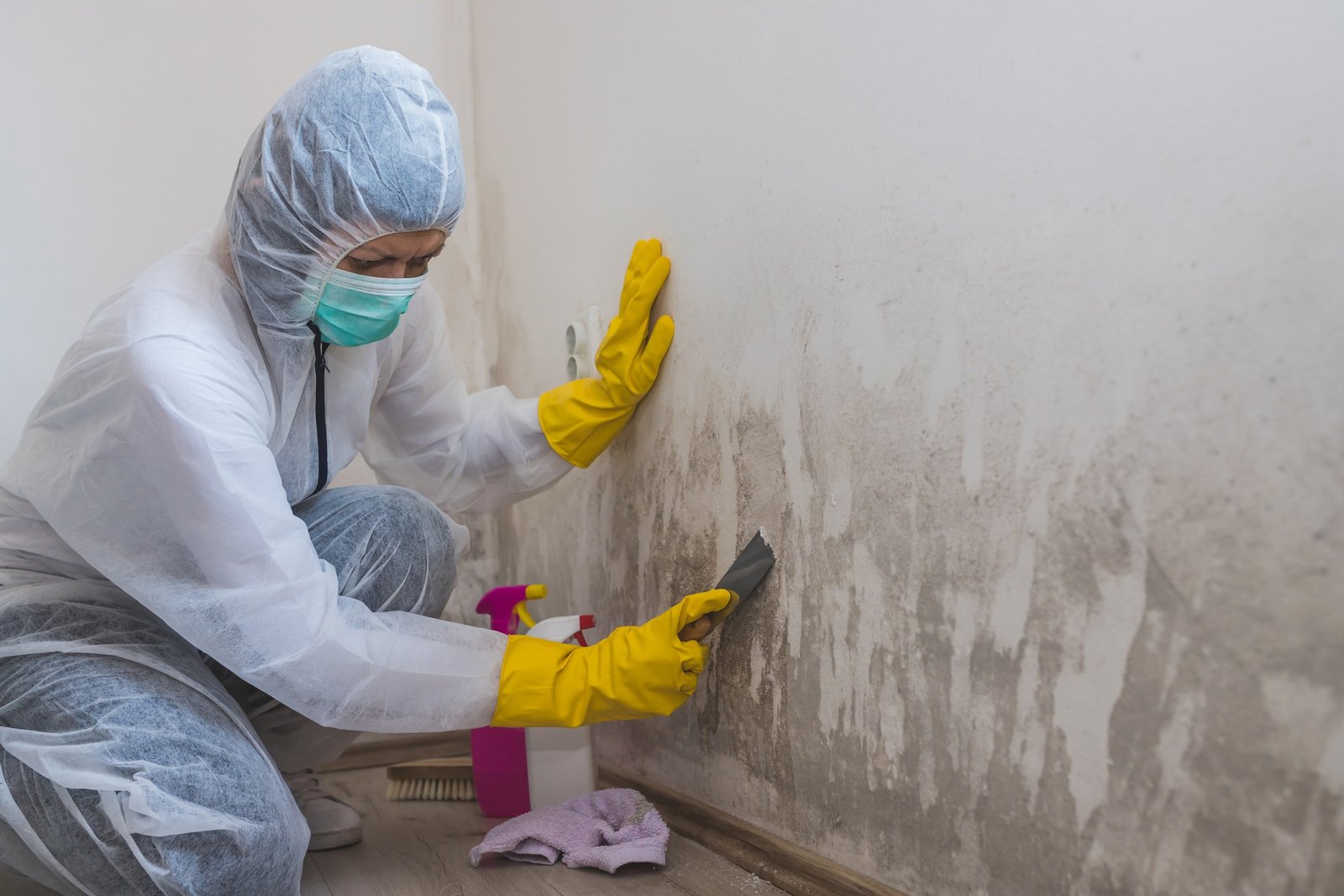
Rising damp is one of the most common and damaging moisture problems affecting properties across London. From historic Victorian houses to modern residential buildings, many properties can experience damp issues due to ageing structures, damaged damp-proof courses, or poor moisture management. If left untreated, rising damp can lead to structural damage, unpleasant odours, mould growth, and reduced property value.
Finding reliable experts who understand the causes and solutions behind damp problems is essential for maintaining a safe and healthy living environment. Professional rising damp solutions in London help homeowners and landlords identify the source of moisture, repair affected areas, and prevent future damage through effective treatment methods.
Understanding Rising Damp and Its Causes
Rising damp occurs when groundwater moves upward through the walls of a building through tiny pores in bricks, mortar, or other porous materials. Normally, a damp-proof course (DPC) prevents this movement, but when the barrier becomes damaged, ineffective, or missing, moisture can gradually travel upwards.
Common causes of rising damp include:
- Failed or damaged damp-proof courses
- Older properties without modern moisture protection
- High external ground levels against walls
- Poor drainage around foundations
- Porous building materials that absorb moisture easily
London has a large number of older buildings, making damp-related issues particularly common. Many properties built decades or even centuries ago require specialist assessment to determine the most suitable treatment approach.
Signs Your Property May Have Rising Damp
Identifying rising damp early can help prevent expensive repairs. Some common warning signs include:
Peeling Paint and Wallpaper
Moisture trapped inside walls can cause paint to bubble, crack, or peel away. Wallpaper may also become loose or develop visible stains.
Damp or Musty Smells
A persistent musty smell is often an indication of excess moisture within walls, floors, or other building materials.
White Salt Deposits
As water moves through masonry, it can carry minerals that leave behind white powdery marks known as salt deposits or efflorescence.
Damaged Plaster and Skirting Boards
Continued moisture exposure can weaken plaster, damage wooden skirting boards, and create visible deterioration along lower sections of walls.
Why Professional Treatment Matters
Many property owners attempt temporary fixes such as repainting damp areas or applying surface-level waterproof coatings. However, these methods usually hide the symptoms rather than addressing the underlying cause.
Professional specialists use detailed inspections and proven techniques to identify where moisture is entering and provide long-lasting solutions. A proper damp treatment plan focuses on removing the source of the problem rather than simply covering visible damage.
Choosing Professional Rising Damp Solutions in London
When selecting a damp treatment provider, it is important to choose a company with experience, technical knowledge, and a strong understanding of London’s diverse property types.
Reliable specialists typically provide:
- Detailed damp surveys and inspections
- Identification of moisture sources
- Recommendations based on property conditions
- Long-term treatment solutions
- Quality repair work after damp removal
Working with experienced professionals ensures that the correct solution is applied instead of wasting money on ineffective treatments.
Modern Methods for Treating Rising Damp
Depending on the severity of the issue, specialists may recommend different approaches, including:
Damp-Proof Course Installation
Installing or replacing a damp-proof course creates a protective barrier that prevents moisture from travelling upwards through walls.
Chemical Damp Treatment
Modern chemical injection systems can provide an effective solution by creating a water-resistant barrier inside masonry.
Plaster Replacement and Wall Restoration
After controlling the moisture source, damaged plaster and affected materials may need replacement to restore the appearance and strength of walls.
Drainage Improvements
Improving external drainage and reducing water accumulation around foundations can help prevent future damp problems.
Protecting London Properties from Future Damp Issues
Prevention plays an important role in maintaining a dry and healthy property. Regular inspections, proper ventilation, and maintaining external areas around the building can reduce the risk of moisture problems developing.
Homeowners should also monitor:
- Gutters and downpipes
- External brickwork condition
- Ground levels near walls
- Indoor humidity levels
- Signs of mould or moisture
Early action can save significant repair costs and protect the long-term condition of a property.
Working With Trusted Damp Specialists
For homeowners searching for dependable damp treatment services, choosing an experienced provider is essential. Companies such as Crown Preservation help property owners address moisture-related problems with professional assessments and effective preservation solutions.
A trusted preservation specialist can provide expert guidance throughout the process, from identifying the cause of rising damp to completing necessary repairs and restoration work.
Conclusion
Rising damp is a serious property issue that requires more than temporary solutions. Without proper treatment, moisture can continue damaging walls, interiors, and structural materials. Investing in professional rising damp solutions in London allows property owners to tackle the root cause of damp problems and protect their buildings for years to come.
By choosing experienced specialists, carrying out regular inspections, and using proven treatment methods, homeowners can maintain healthier, safer, and more valuable properties throughout London.