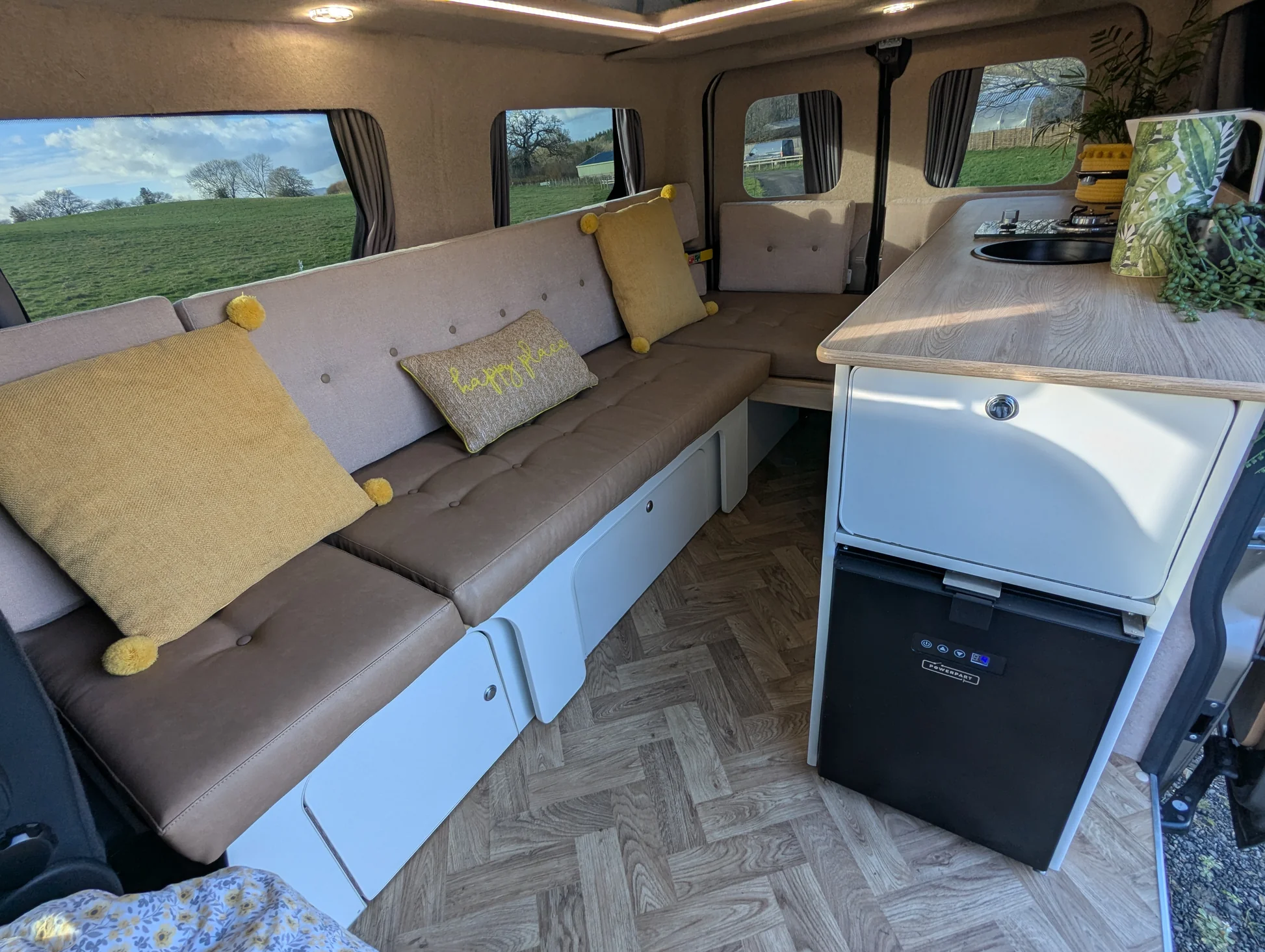
Designing a Ford Transit Custom camper interior is one of the most important stages of any camper conversion. The interior determines how comfortable the van feels, how easy it is to live in day to day, and whether the space supports the way you actually travel. A well-designed interior doesn’t just look good — it works efficiently in real conditions, on long drives, in poor weather, and during repeated use.
The Ford Transit Custom has become a popular base vehicle precisely because it allows a well-balanced interior layout without moving into the size and running costs of a large van. However, the interior space is still limited, which means every decision — from layout to furniture depth — directly affects usability. This guide focuses on interior-specific planning, helping you design a camper interior that is practical, durable, and suited to long-term use rather than short-term aesthetics.
Understanding the Interior Space of a Ford Transit Custom
Before choosing layouts or furniture, it’s important to understand the limitations and strengths of the Transit Custom’s interior. While the van offers good width for its class, interior height and length vary depending on model and wheelbase. These differences significantly influence what can realistically fit inside without compromising comfort.
Short wheelbase (SWB) models require tighter planning and benefit from multi-use furniture, while long wheelbase (LWB) versions allow greater flexibility with storage and kitchen size. Interior height is also a factor — especially if you plan to cook indoors or spend extended time inside the van. Many owners compensate for height limitations with pop-top roofs, but even without one, careful layout choices can prevent the interior from feeling cramped.
Accurate measurement is essential at this stage. Internal ribs, wheel arches, and door clearances all affect how furniture fits. Designing an interior based on assumptions rather than measurements often leads to wasted space or costly rework later.
Choosing an Interior Layout That Matches How You Travel
Interior layout should always be driven by use, not trends. A layout that looks impressive online may perform poorly in everyday situations such as bad weather, overnight stops, or quick roadside breaks. The most successful Ford Transit Custom camper interiors are those designed around realistic travel habits.
Side kitchen layouts remain popular because they preserve open floor space and work well with fold-out beds. They allow cooking without blocking access through the van and make it easier to keep living and sleeping areas separate. Rear kitchen layouts suit people who cook mainly outdoors and want quick access from the back doors, but they reduce internal seating options.
Fixed beds are comfortable but limit flexibility in smaller vans. Foldable or rock-and-roll beds provide seating during the day and sleeping space at night, making them more suitable for compact interiors. The key is choosing a layout that still feels usable when the weather forces you indoors — something many first-time builders underestimate.
Interior Furniture: Function, Weight, and Longevit
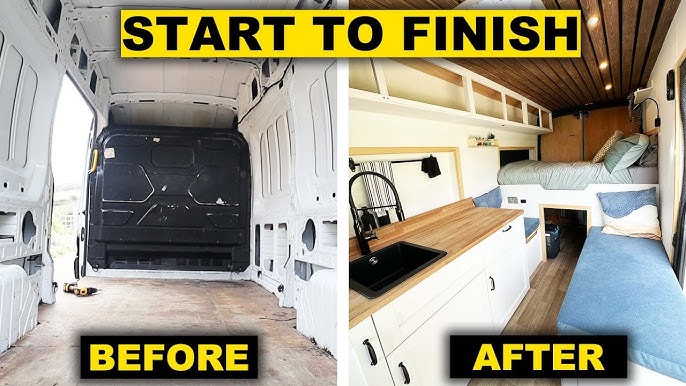
Furniture plays a defining role in how a camper interior performs over time. Poorly designed units may look acceptable initially but often become frustrating to use or fail prematurely. Lightweight, purpose-built camper furniture is preferred because it reduces strain on the vehicle and improves fuel efficiency.
Furniture-grade plywood is widely used because it offers a good balance of strength and weight. Finishes should be chosen for durability rather than appearance alone. Surfaces that resist moisture, heat, and scratches will hold up far better in a camper environment than domestic materials.
Furniture depth is another critical factor. Overly deep units reduce walkway space and make the interior feel smaller than it is. Slimline furniture designs often improve usability, even if they reduce storage slightly. In compact camper interiors, ease of movement usually matters more than maximum storage capacity.
Insulation, Lining, and Interior Comfort
Insulation is one of the most valuable interior upgrades you can make, yet it’s often rushed or under-prioritised. A properly insulated Ford Transit Custom camper interior is quieter, warmer in winter, cooler in summer, and more comfortable overall.
Effective insulation usually involves several layers: sound-deadening materials applied directly to metal panels, thermal insulation to regulate temperature, and a finished lining to protect everything and improve aesthetics. Skipping any of these layers reduces overall effectiveness.
Interior lining also affects condensation control. Moisture buildup is a common problem in campervans, especially in sleeping areas. Using breathable materials where possible and ensuring adequate ventilation helps prevent damp issues that can damage both the interior and the vehicle itself over time.
Electrical Planning Inside the Camper Interior
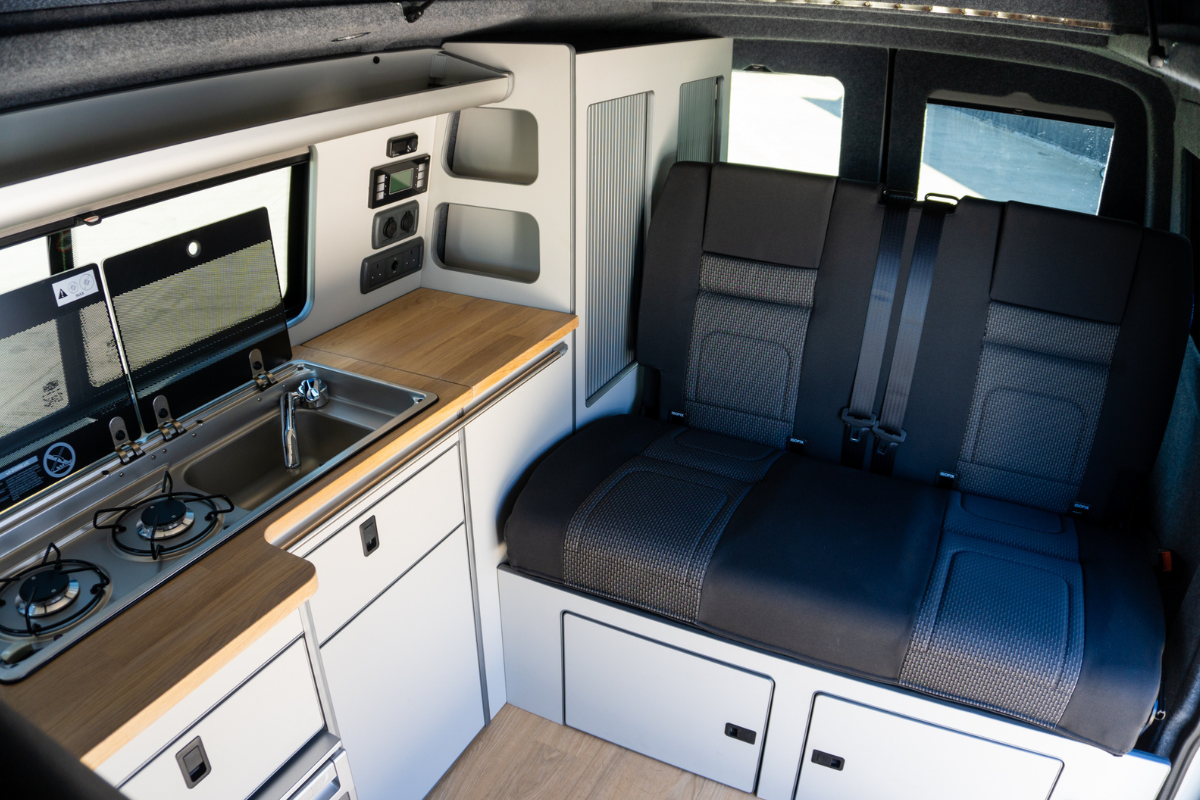
Electrical systems should be planned alongside the interior layout, not added afterward. The position of lighting, sockets, switches, and appliances all affects how functional the interior feels once complete. Poor electrical planning often results in awkward cable routes or inaccessible components.
Most Ford Transit Custom camper interiors rely on a 12V system powered by a leisure battery, often supported by solar charging. Interior lighting should prioritise efficiency and usability. Well-placed LED lighting improves visibility without draining power and helps define different zones within the van.
Accessibility is just as important as capability. Fuse boards, isolators, and charging points should be easy to reach without dismantling furniture. A clean, well-organised electrical layout not only improves safety but also makes future upgrades far easier.
Storage Design and Everyday Practicality
Storage design can make or break a camper interior. The goal isn’t to store as much as possible, but to store items where and how they’re used. Poorly placed storage leads to constant rearranging, which quickly becomes frustrating.
Under-bed storage works well for bulky items, while overhead lockers are better suited to lightweight gear. Drawers tend to be more practical than cupboards for frequently used items, as they allow full visibility of contents. However, they must be securely fitted to prevent movement while driving.
Weight distribution is another important consideration. Heavy items should be stored low and close to the van’s centre to maintain stability. Balanced storage improves handling and reduces wear on suspension components, especially on long trips.
Budgeting for a Camper Interior Build
The cost of a Ford Transit Custom camper interior varies widely depending on materials, complexity, and whether the build is DIY or professional. What matters most is not how much is spent, but where it’s spent.
Interior elements that directly affect comfort and safety — insulation, electrics, and bed systems — should be prioritised over cosmetic upgrades. Many successful interiors are built in stages, starting with essentials and adding refinements over time as budget allows.
DIY builds offer cost savings but require realistic planning. Time, tools, and learning curves all have value. In contrast, professional interiors cost more upfront but often deliver better fit, finish, and long-term durability. The right choice depends on your skills, timeline, and intended use of the van.
Long-Term Maintenance of the Camper Interior
A camper interior is exposed to vibration, temperature changes, and moisture, all of which accelerate wear. Regular checks help prevent small issues from becoming major problems. Furniture fixings, hinges, and electrical connections should be inspected periodically.
Cleaning and ventilation also play a role in interior longevity. Allowing soft furnishings to dry properly and keeping moisture under control reduces mould and odour issues. Worktops and flooring benefit from occasional resealing, especially in high-use areas.
Well-maintained interiors not only remain more comfortable but also retain higher resale value. A camper that feels solid and cared for is far more appealing than one with loose fittings or visible wear.
Final Thoughts
A successful Ford Transit Custom camper interior is one that supports how you travel, not just how the van looks when finished. Careful planning, realistic layout choices, and durable materials make a significant difference to daily usability and long-term satisfaction.
By focusing on function, comfort, and reliability, the Transit Custom can be transformed into a highly capable camper interior suitable for both short trips and extended travel. The most effective interiors are those designed with real-world use in mind — simple where possible, robust where necessary, and adaptable to changing needs.
FAQs
What interior layout works best in a Ford Transit Custom?
The best layout depends on travel style. Side kitchens with fold-out beds suit most users, while rear kitchens work well for outdoor-focused trips.
Is insulation really necessary for camper interiors?
Yes. Proper insulation improves comfort, reduces noise, and helps control condensation year-round.
Can I change the interior layout later?
Modular or flat-pack interiors make future changes easier, especially if needs evolve over time.
How long does a camper interior last?
With good materials and maintenance, a well-built interior can last many years without major issues.
You may also read: How They Compare to Other Year Groups