Pain is one of the body’s most honest signals. Sometimes it shows up suddenly, does its job, and fades away. Other times it hangs around for weeks or months, quietly reshaping your sleep, mood, posture, and daily routine. The tricky part is that many people treat all pain the same way and that’s where frustration begins.
Let’s break it down clearly. Here’s what acute pain really is, what chronic pain really is, how to tell the difference, and how to build a smarter relief approach for both. And yes, we’ll also talk about practical support options like a backache gel or a neck pain relief product, and how to use them in a way that actually makes sense.
What Pain Is (And Why It Matters)
Pain isn’t just “hurt.” It’s the nervous system sending a warning signal. That warning can come from inflammation, injury, muscle strain, nerve irritation, joint stress, or even ongoing stress patterns in the body.
What this really means is: pain isn’t the enemy. It’s information.
But the meaning of that information changes depending on whether pain is acute or chronic.
Acute Pain: The Body’s Alarm System
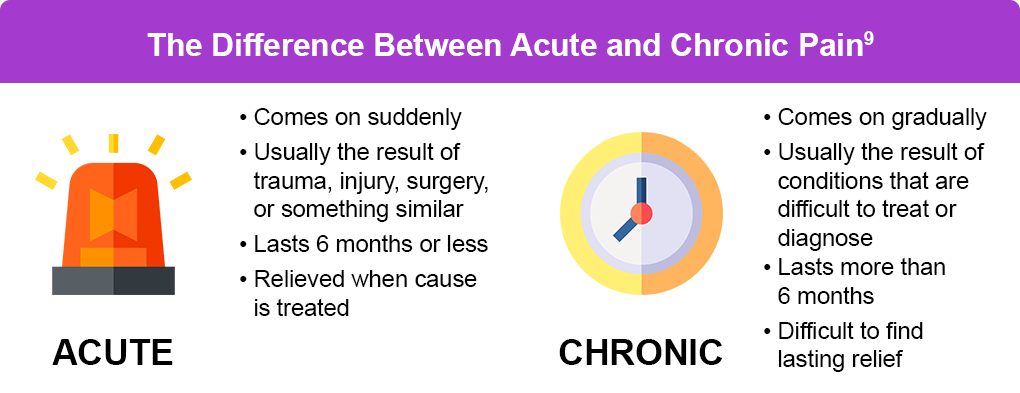
Acute pain is short-term pain that usually starts suddenly and is linked to a specific cause.
Common examples of acute pain
- Sprained ankle
- Sudden neck stiffness after sleeping wrong
- Back spasm after lifting something heavy
- Dental pain
- Post-surgery pain
- चोट, कट, या मांसपेशियों में अचानक खिंचाव
How long does acute pain last?
Typically:
- A few minutes to a few days
- Sometimes up to a few weeks
Most medical definitions consider pain “acute” if it resolves within less than 3 months.
What acute pain is trying to do
Acute pain is protective. It tells you:
- Stop that movement
- Give the area rest
- Allow healing
- Pay attention before damage increases
Acute pain is like a fire alarm. Loud, urgent, and meant to get your attention fast.
Chronic Pain: When the Alarm Doesn’t Switch Off
Chronic pain is pain that lasts beyond the normal healing time, often more than 3 months, even if the original injury has healed.
Common examples of chronic pain
- Long-term lower back pain
- Persistent neck pain from posture and screen time
- Arthritis related pain
- Sciatica that keeps returning
- Migraine patterns
- पुराने दर्द जो बार-बार लौट आते हैं
What chronic pain is really about
Chronic pain isn’t always a sign of active damage. Often, it’s a sign that:
- the nervous system has become overly sensitive
- muscles stay tight as a default
- joints and tissues are stressed repeatedly
- inflammation cycles don’t fully settle
- movement patterns keep re-triggering pain
- sleep, stress, and fatigue are feeding the loop
Chronic pain is like a car alarm that keeps going off even when there’s no thief. The system is stuck in high alert.
Acute vs Chronic Pain: The Key Differences
1) Duration
- Acute: short-term, usually improves as healing happens
- Chronic: lasts over 3 months or keeps returning
2) Cause
- Acute: usually clear and specific (strain, injury, sudden inflammation)
- Chronic: may be unclear or multi-factor (posture, stress, nerve sensitivity, long-term wear)
3) Purpose
- Acute: protective warning
- Chronic: often becomes a condition itself
4) Healing pattern
- Acute: typically gets better steadily
- Chronic: may fluctuate, flare up, and settle repeatedly
5) Emotional impact
- Acute: stressful but temporary
- Chronic: can drain energy, affect mood, sleep, confidence, and motivation
How to Tell Whether Your Pain Is Acute or Chronic
Here’s a simple self-check.
Signs your pain is likely acute
- It started suddenly
- You can link it to an event (gym, travel, sleeping wrong, lifting)
- It feels sharp or intense at first
- It improves noticeably in days or weeks
- Rest and simple care help
Signs your pain is likely chronic
- It’s been more than 3 months
- It keeps coming back in the same area
- It spreads or shifts (neck to shoulder, back to hip)
- It’s worse with stress and poor sleep
- You feel stiff most days
- You’re afraid to move because you expect pain
If you’re unsure, treat it carefully like chronic pain until proven otherwise. Chronic pain needs a bigger strategy than just “apply something and forget.”
Back and Neck Pain: Why These Areas Commonly Become Chronic
Let’s be honest. Back and neck pain are everywhere now, because daily life trains your body into patterns that create constant stress on these areas.
Back pain becomes chronic when
- core and hip muscles get weak
- sitting time increases
- movement becomes limited
- posture collapses
- stress tightens lower back muscles
- you recover without rebuilding strength
Neck pain becomes chronic when
- screen time is high
- forward head posture becomes normal
- shoulders stay rounded
- upper traps stay tense
- sleep position and pillow don’t support alignment
A neck pain relief product can help manage symptoms, but long-term improvement usually needs posture correction, mobility work, and stress reduction too.
Relief Approach: What Works for Acute Pain
Acute pain care is about calming things down and supporting recovery.
1) Rest, but don’t freeze
Avoid painful movements, but don’t stop all movement. Gentle mobility prevents stiffness from taking over.
2) Cold or heat
- Cold helps early inflammation (first 24–48 hours in many injuries)
- Heat helps muscle tightness and spasms
3) Gentle stretching
Only within comfortable limits.
4) Topical support
This is where a backache gel can help in acute phases, especially for:
- muscle strain
- stiffness
- post-workout soreness
- mild sprain discomfort
A gel won’t “heal” a torn tissue, but it can reduce discomfort enough to help you move normally, which supports recovery.
5) Avoid re-triggering
If your acute back pain happened after lifting, fix the movement pattern before returning to the same trigger.
Relief Approach: What Works for Chronic Pain
Chronic pain is less about “quick fix” and more about “retraining.”
Here’s the shift: your goal is not just pain relief, but a reset of the system that keeps producing pain.
1) Find your patterns
Ask:
- When does it flare up
- Which activities trigger it
- What posture makes it worse
- What time of day is it strongest
- Does stress increase it
Chronic pain often has a predictable rhythm.
2) Strength and stability
Chronic back pain often improves when:
- glutes strengthen
- core stabilizes
- hips regain mobility
- walking becomes consistent
Chronic neck pain often improves when:
- upper back mobility improves
- deep neck flexors strengthen
- shoulder blades get stable
- posture is corrected gradually
3) Movement snacks
Short, repeated mobility breaks work better than one long stretching session once a week.
4) Sleep and stress matter more than people admit
Poor sleep increases pain sensitivity.
Stress increases muscle tension and reduces recovery.
Even a great neck pain relief product feels like it “stops working” if sleep is terrible and stress is high. That’s not failure. That’s biology.
5) Topicals as part of the routine
A backache gel or neck pain relief product can still help in chronic pain, but use it like a support tool, not the whole plan.
Think of it like this:
- Topical helps you move with less discomfort
- Movement helps retrain the body
- Retraining helps reduce recurrence
That’s the loop you want.
When to Use a Backache Gel vs When to Use a Neck Pain Relief Product
Use a backache gel when
- lower back feels stiff or tight
- pain is muscle-based rather than sharp nerve pain
- you’re sore after travel, long sitting, or activity
- you need support before gentle stretching or walking
Use a neck pain relief product when
- neck stiffness is limiting movement
- shoulders and upper traps feel tense
- there’s postural strain from devices
- you want relief to make mobility exercises easier
Both can be helpful, but they work best when paired with the right actions. If you apply and then continue the same habits that created the pain, you’re just muting the alarm without fixing the wiring.
Red Flags: When Pain Should Not Be Self-Treated
Some pain signals need immediate evaluation.
Seek medical advice quickly if you have:
- numbness or weakness in arm/leg
- loss of bladder or bowel control
- pain after a major fall or accident
- fever with back pain
- unexplained weight loss with persistent pain
- night pain that wakes you consistently
- severe headache with neck stiffness
Also, if pain is steadily worsening week after week, don’t keep guessing.
A Simple Daily Reset Routine for Back and Neck Pain
Here’s a practical approach that supports both pain types. Adjust intensity depending on your condition.
Morning (5–7 minutes)
- Gentle neck rotations and side bends
- Shoulder rolls
- Cat-cow stretch (slow, controlled)
- Light walking or marching in place
Midday (3 minutes)
- Stand up
- Pull shoulders back gently
- 5 deep breaths
- Quick mobility: chest opening stretch
Evening (10 minutes)
- Warm compress or shower
- Apply backache gel or a neck pain relief product if needed
- Gentle stretching
- Short walk if possible
This isn’t fancy. It’s consistent. And consistency is what chronic pain responds to.
The Bottom Line
Here’s the thing: acute pain is usually a short-term warning that helps you heal. Chronic pain is often a longer story where the nervous system, muscles, posture, stress, and habits all play a role.
So the solution changes.
- Acute pain needs calming, protection, and gradual return to normal movement.
- Chronic pain needs a bigger strategy: strength, mobility, habit change, better recovery, and a real reset of the system.
Tools like a backache gel or a neck pain relief product can be genuinely useful, but they shine when they’re part of a smart routine, not the whole plan.