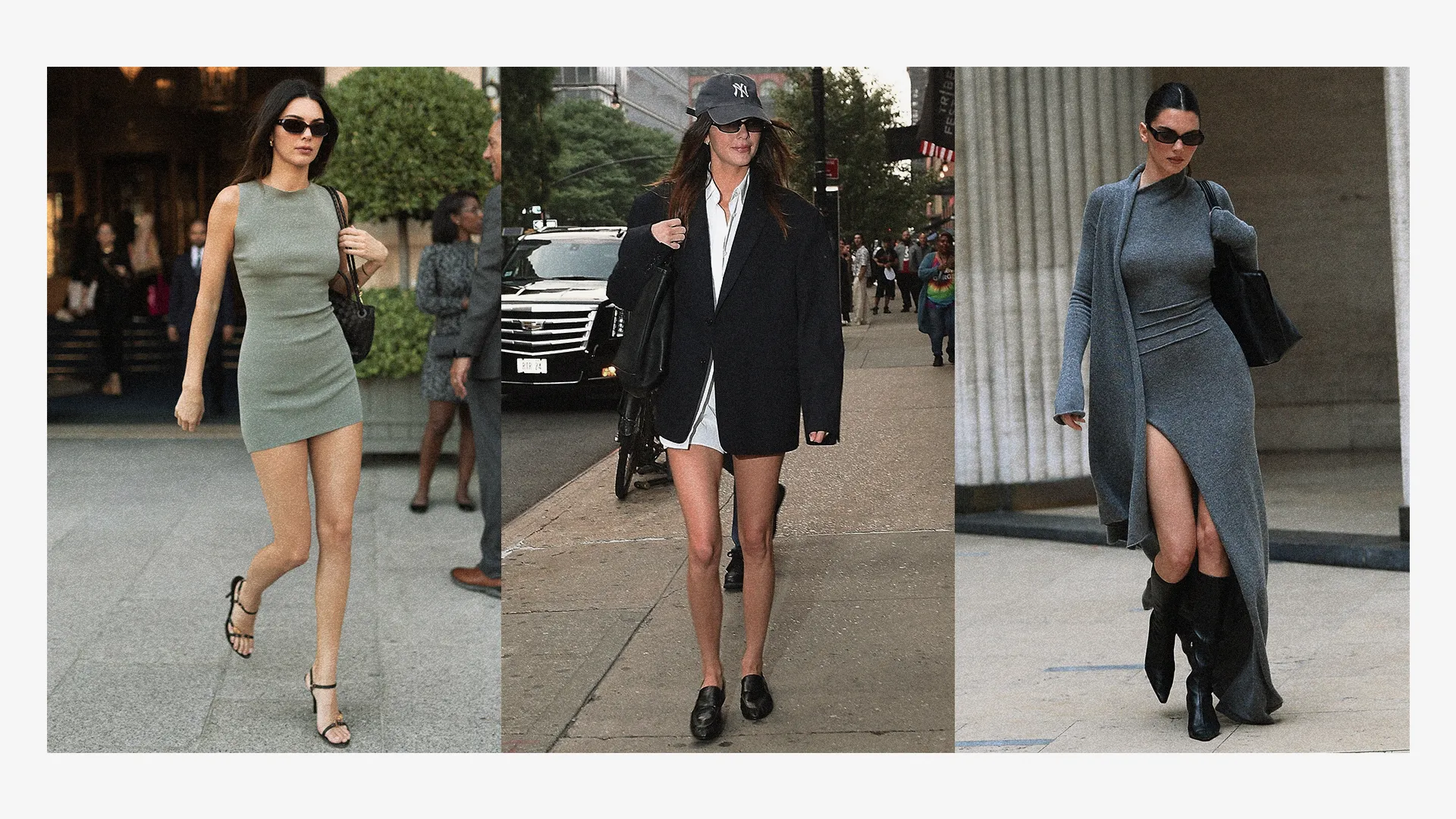
In a market overflowing with micro-trends, statement pieces, and disposable wardrobes, the value of a well-designed dress is becoming clearer than ever. Today, designer dresses for women are not only about a recognizable aesthetic or an occasion-driven silhouette – they’re about versatility, longevity, and confidence in your choices. The modern customer wants a dress that looks refined without trying too hard, feels comfortable from morning to night, and stays relevant long after the season’s visual noise fades.
Why the Niche Is Shifting Toward Minimalism and “Quiet Luxury”
The luxury conversation has changed. Instead of loud logos and exaggerated detailing, many women now gravitate to restrained elegance: clean lines, balanced proportions, thoughtful fabrics, and an overall sense of polish. This is the core of “quiet luxury” – a style language that speaks through quality rather than decoration. In the designer segment, minimalism isn’t a lack of creativity; it’s a discipline where every seam, dart, and cut must justify its place.
What Makes a Designer Dress a Real Investment
A dress becomes an investment when it keeps earning its place in your wardrobe. That usually comes down to three things: cut, fabric, and adaptability.
- Cut and fit: A strong silhouette should flatter without restricting movement. The best designs prioritize comfort and structure at the same time.
- Materials: Quality fabric affects everything – how the dress drapes, how it feels on the skin, and how it performs after repeated wear.
- Timeless styling: A refined color palette and minimal detailing make it easier to restyle a dress across seasons and settings.
When these elements align, one dress can replace multiple “single-use” purchases – supporting a more deliberate approach to shopping.
Capsule Thinking: Dresses That Integrate, Not Compete
One of the most practical developments in this niche is the move toward capsule wardrobes. Instead of buying outfits that demand new shoes, new bags, and new outerwear every time, women increasingly look for dresses that blend into a system. A well-designed minimal dress can pair with a blazer for the office, a knit for travel days, or a tailored coat for evening plans. The goal is not to own more, but to own better – and to make styling easier, not harder.
Designed for Real Life: From Office to City to Travel
Modern life requires flexibility. A dress may need to handle meetings, commuting, dinners, and unexpected schedule changes – all in the same day. That’s why comfort has become a defining marker of contemporary design. Smart construction, wearable silhouettes, and breathable, durable fabrics matter as much as the visual impression. The strongest designer dresses feel natural in motion, photograph well, and maintain their shape and finish over time.
Responsible Production and Long-Term Relevance
As consumers become more informed, “designer” increasingly implies responsibility. Quality should include not only appearance, but also careful craftsmanship and an approach that respects materials, labor, and the customer’s long-term relationship with the garment. Choosing fewer pieces with better execution supports conscious consumption – and creates a wardrobe that doesn’t depend on fast-changing trends to feel current.
A Modern Standard of Elegance
The future of designer dresses belongs to brands that combine restraint with precision – offering pieces that are feminine, modern, and functional without visual overload. That direction aligns with the philosophy of women’s clothing brand SAGIO, where minimalism, thoughtful tailoring, and quiet confidence help build a wardrobe meant to last.