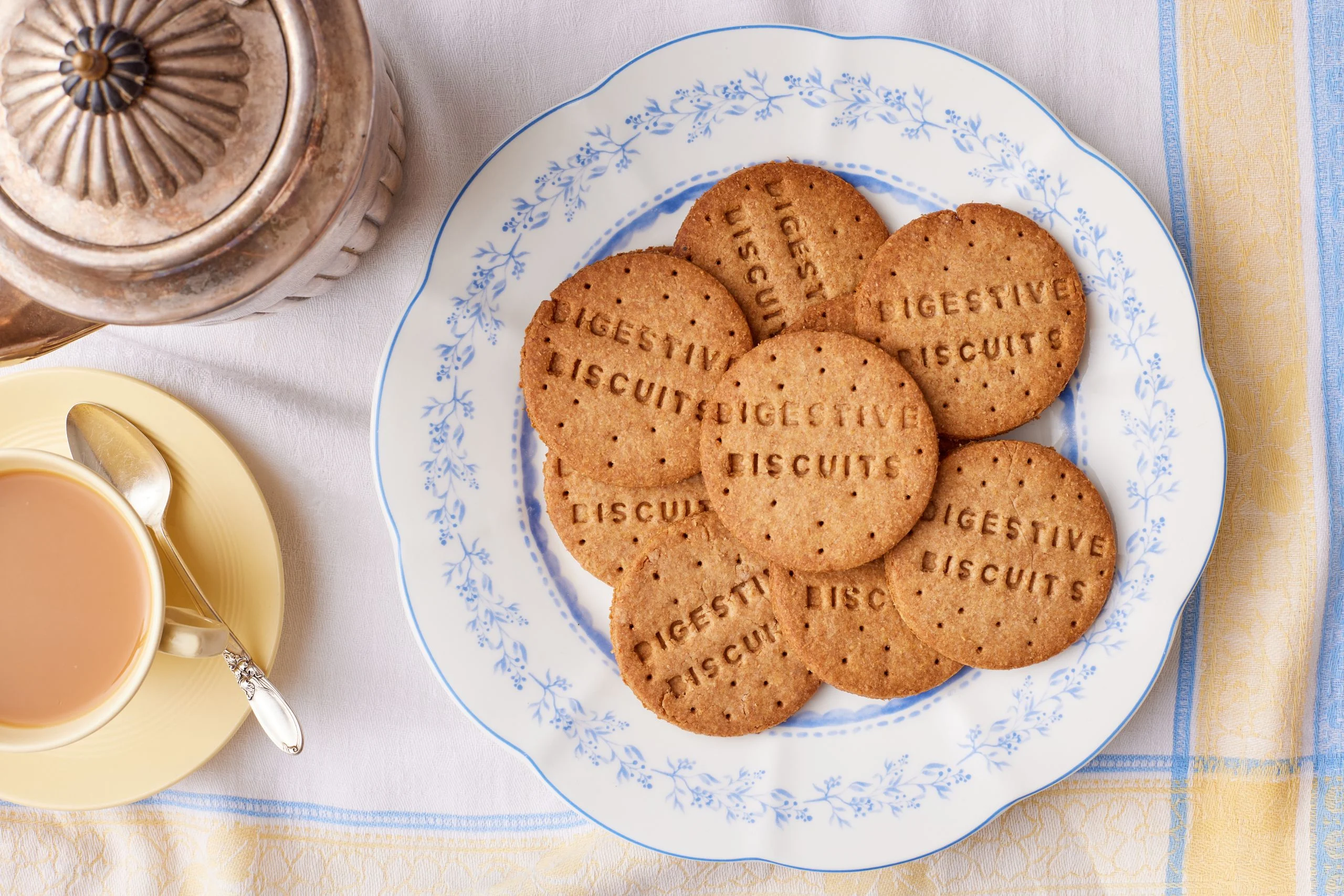
Digestive biscuits are one of the most recognisable and beloved biscuits in the United Kingdom. These lightly sweet, crumbly biscuits are traditionally made using wholemeal flour, butter, and a small amount of sugar. Their balanced flavour and satisfying texture make them a popular companion to tea or coffee, especially during afternoon breaks. For generations, digestive biscuits have remained a simple yet comforting snack found in British homes.
The popularity of digestive biscuits has grown far beyond the UK, with many countries now producing their own variations. Despite the different versions available today, the original concept remains the same: a wholesome biscuit that is slightly sweet, crisp, and easy to enjoy at any time of the day. Whether eaten plain, topped with chocolate, or used in desserts, digestive biscuits continue to hold a special place in everyday snacking.
The History of Digestive Biscuits
The origins of digestive biscuits date back to Scotland in the nineteenth century. They were first developed by doctors who believed that certain ingredients, particularly baking soda, could help neutralise stomach acid and support the digestive system. Because of this belief, the biscuit was given the name “digestive,” suggesting it might assist with digestion after meals.
As the popularity of the biscuit grew, manufacturers began producing digestive biscuits on a larger scale. British companies played an important role in spreading the biscuit throughout the UK and later across international markets. Over time, the recipe evolved slightly, but the core characteristics remained the same. Today, digestive biscuits are considered a classic British treat that continues to be enjoyed by millions of people.
Ingredients in Digestive Biscuits
The traditional recipe for digestive biscuits is relatively simple, which is one reason for their enduring popularity. The main ingredients usually include wholemeal flour, plain flour, butter, sugar, and a small amount of baking powder or bicarbonate of soda. Wholemeal flour gives the biscuits their distinctive slightly nutty flavour and crumbly texture that many people associate with classic digestive biscuits.
Although the base recipe remains fairly consistent, some manufacturers adjust the ingredients to create different variations. Certain brands may add oats or reduce sugar to appeal to health-conscious consumers. Others may introduce flavours or coatings to enhance the biscuit’s appeal. Despite these small differences, the traditional ingredients continue to define the familiar taste and texture of digestive biscuits.
Types of Digestive Biscuits
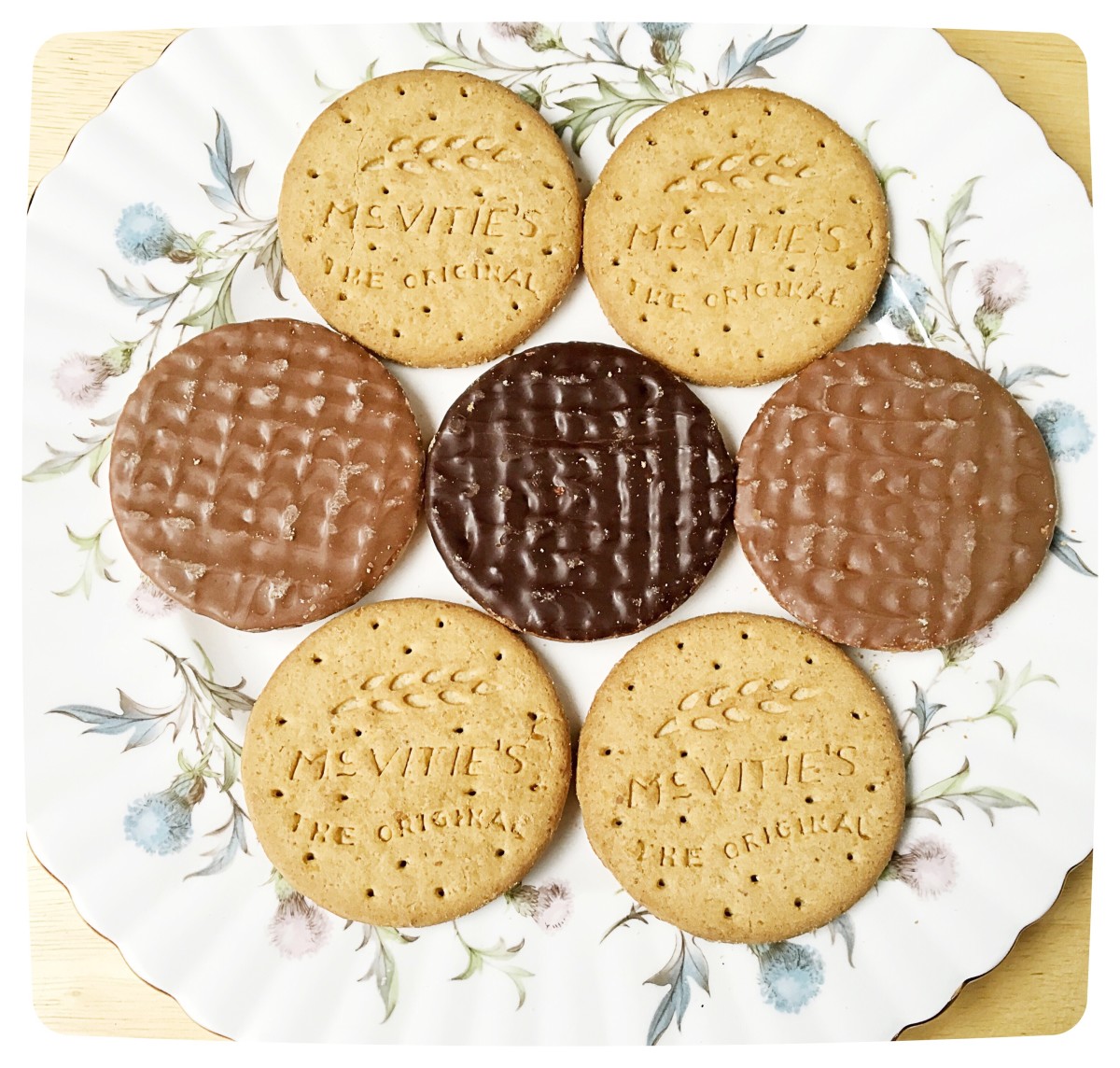
Over the years, many varieties of digestive biscuits have appeared in supermarkets and grocery shops. The classic plain version remains a favourite for those who enjoy a light and simple biscuit with tea. However, chocolate-coated digestive biscuits are equally popular and have become a staple snack for many households across the UK.
In addition to traditional and chocolate varieties, manufacturers now offer gluten-free digestive biscuits for individuals with dietary restrictions. There are also reduced-sugar or high-fibre versions designed for people looking for slightly healthier options. These different types allow digestive biscuits to remain relevant and appealing to a wide range of consumers with varying tastes and nutritional preferences.
Digestive Biscuit Recipe: How to Make Them at Home
Preparing digestive biscuits at home can be an enjoyable and rewarding experience. A basic recipe typically includes wholemeal flour, plain flour, butter, sugar, baking powder, and a little milk to bind the mixture together. The ingredients are combined to form a soft dough, which is then rolled out and cut into circular shapes before being baked until golden and crisp.
Homemade digestive biscuits often provide a fresher flavour compared to shop-bought versions. Baking them at home also allows you to adjust ingredients according to your personal taste. Some people prefer to reduce the sugar slightly, while others enjoy dipping the finished biscuits in melted chocolate. Making them at home not only enhances flavour but also offers a creative way to enjoy a classic biscuit.
Nutrition and Calories in Digestive Biscuits
Many people are curious about the nutritional value of digestive biscuits, particularly when considering them as a regular snack. A standard digestive biscuit generally contains between seventy and eighty calories, depending on the specific brand and ingredients used. Chocolate-coated versions may contain more calories because of the additional sugar and fat present in the chocolate layer.
In addition to calories, digestive biscuits contain carbohydrates, small amounts of protein, and a moderate amount of fat. The presence of wholemeal flour also means they provide a small amount of dietary fibre compared to many other biscuits. While they are not considered a health food, digestive biscuits can be enjoyed occasionally as part of a balanced and varied diet.
Are Digestive Biscuits Healthy?
The question of whether digestive biscuits are healthy is often debated among nutrition enthusiasts. On one hand, the use of wholemeal flour provides a small amount of fibre that may help support digestive health. On the other hand, the biscuits also contain sugar and butter, which contribute to their calorie content and should be considered when managing daily intake.
When eaten in moderation, digestive biscuits can still fit comfortably into a balanced diet. They can provide a satisfying snack without being overly indulgent when consumed occasionally. Choosing versions with reduced sugar or pairing the biscuit with healthier foods, such as fruit or yoghurt, can also make them a more balanced part of a daily eating routine.
Understanding the Human Digestive System
The human digestive system plays a vital role in breaking down food and converting it into energy that the body can use. It is made up of several organs including the mouth, stomach, small intestine, and large intestine. Each of these organs works together to process food, absorb nutrients, and remove waste products from the body.
Digestive enzymes are another important part of this process. These specialised proteins help break down carbohydrates, fats, and proteins into smaller components that can be absorbed by the body. Eating foods that contain fibre, such as whole grains used in digestive biscuits, may support healthy digestion when included as part of a balanced diet.
Common Causes of Digestive Issues
Digestive issues are common and can occur for a variety of reasons. Poor dietary habits, stress, lack of physical activity, and dehydration can all contribute to problems such as bloating, indigestion, or discomfort after meals. Maintaining a balanced diet that includes fibre-rich foods may help improve digestive function and reduce these issues.
Food intolerances can also affect how the digestive system responds to certain foods. Some individuals may experience discomfort after consuming gluten, dairy, or highly processed snacks. Being mindful of food choices and eating habits can help people better understand what supports their digestive health and what might trigger unwanted symptoms.
Conclusion
Digestive biscuits have remained a favourite snack in the UK for well over a century. Their simple ingredients, balanced sweetness, and crumbly texture make them ideal for enjoying with tea or coffee. From their historical origins in Scotland to their global popularity today, digestive biscuits continue to represent a comforting and familiar part of British food culture.
Although they were once believed to aid digestion, modern nutrition suggests they should simply be enjoyed as an occasional treat. When eaten in moderation, digestive biscuits can still provide a satisfying snack without disrupting a balanced diet. Whether purchased from a shop or baked at home, they remain a timeless biscuit that many people continue to appreciate.
FAQs
What are digestive biscuits made of?
Digestive biscuits are typically made from wholemeal flour, butter, sugar, and baking powder. These ingredients create the distinctive crumbly texture and mild sweetness that make the biscuit popular for everyday snacking.
Digestive biscuits may also contain additional ingredients depending on the brand or recipe. Some varieties include oats, chocolate coatings, or reduced-sugar formulations to suit different dietary preferences.
Why are they called digestive biscuits?
The name digestive biscuits comes from early beliefs that the ingredients could help support digestion. Baking soda used in early recipes was thought to neutralise stomach acid, which is why the biscuits were associated with digestive benefits.
Although modern science does not strongly support these claims, the name has remained for historical and cultural reasons. Today, the biscuit is known more for its taste than its supposed digestive properties.
How many calories are in a digestive biscuit?
A single digestive biscuit usually contains around seventy to eighty calories, depending on the brand and recipe used. Chocolate-coated varieties often contain slightly more calories because of the additional chocolate layer.
Because of their calorie content, digestive biscuits are best enjoyed in moderation. Pairing them with tea or coffee as an occasional snack can help maintain a balanced approach to eating.
Are digestive biscuits healthy?
Digestive biscuits can be part of a balanced diet when eaten occasionally. The wholemeal flour used in many recipes provides a small amount of fibre, which may support digestive health.
However, they also contain sugar and butter, which contribute to their calorie content. Moderation is important when enjoying digestive biscuits as part of a healthy lifestyle.
Can you make digestive biscuits at home?
Yes, digestive biscuits can easily be made at home using simple ingredients such as wholemeal flour, butter, sugar, and baking powder. The dough is rolled out, cut into circles, and baked until crisp.
Homemade versions allow you to control the ingredients and adjust sweetness levels. Some people also add oats or chocolate to create personalised variations of this classic biscuit.
You may also read: Nutrition Facts and Calories