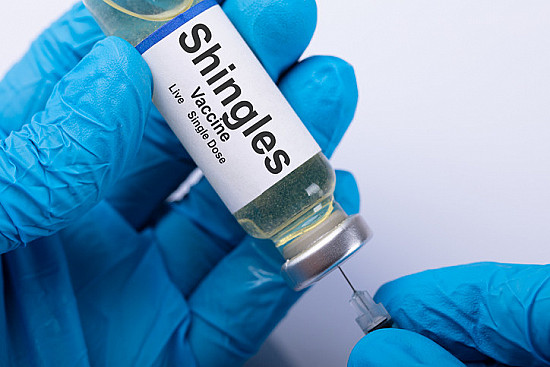
Shingles is a viral infection caused by the reactivation of the varicella-zoster virus, which also causes chickenpox. After a person recovers from chickenpox, the virus remains inactive in the nervous system and may reactivate later in life, particularly when the immune system weakens. This reactivation leads to shingles, a condition known for causing a painful and often distressing rash.
Understanding what is shingles is important because it highlights why prevention matters. Many people ask how do you get shingles, and the answer lies in prior exposure to chickenpox. Although shingles itself is not directly contagious, the virus can spread to those who have never had chickenpox, making awareness and prevention strategies, including the shingles vaccine, especially important in the UK.
Shingles Symptoms and Early Warning Signs
The early shingles symptoms often begin subtly, with unusual sensations such as tingling, itching, or burning pain in a localised area of the body. This stage, known as early shingles, can occur days before any visible rash appears, making it easy to overlook or confuse with other conditions. Recognising these early warning signs is key to seeking timely medical advice.
As the condition progresses, a shingles rash typically develops, forming clusters of fluid-filled blisters on one side of the body or face. Many people search for what does shingles look like, especially when symptoms appear on sensitive areas like the face or near the eyes. Symptoms of shingles may also include fever, fatigue, and headaches, and the illness can last for several weeks if not treated promptly.
Shingles Treatment Options in the UK
Shingles treatment in the UK is focused on reducing the severity of symptoms and speeding up recovery. Antiviral medications are commonly prescribed by GPs, particularly if treatment begins within 72 hours of the rash appearing. These medicines help to limit the spread of the virus and reduce the duration of the illness, making early diagnosis highly beneficial.
Pain relief is another important aspect of shingles treatments, as nerve pain can be intense and long-lasting. Treatment may include over-the-counter painkillers, prescription medications, and soothing creams to ease discomfort. In more severe cases, especially when shingles affects the face, medical supervision is essential to prevent complications and ensure effective recovery.
Shingles Vaccine UK: Overview and Benefits

The shingles vaccine is a highly effective method of preventing shingles and its complications. In the UK, the commonly used vaccine is Shingrix, which is a non-live vaccine suitable for a wide range of individuals, including those with weakened immune systems. It works by boosting the body’s immune response to the virus, significantly reducing the risk of infection.
One of the key benefits of the shingles vaccine is its ability to prevent postherpetic neuralgia, a long-term nerve pain condition that can follow shingles. With effectiveness rates exceeding ninety percent, the shingles vaccine provides strong and lasting protection. It is widely recommended as part of preventive healthcare, particularly for older adults in the UK.
Who Is Eligible for the Shingles Vaccine in the UK?
Eligibility for the shingles vaccine in the UK is primarily determined by NHS guidelines, which focus on protecting those most at risk. Typically, adults aged 70 to 79 are routinely offered the vaccine, while some individuals aged 50 and above may also qualify depending on their health status. These recommendations are designed to target groups most vulnerable to complications.
People with weakened immune systems, including those undergoing certain medical treatments, may be eligible for the shingles vaccine at a younger age. However, not everyone can receive the vaccine, so it is important to consult a GP for personalised advice. Access is usually available through the NHS, although private options are also offered in some cases.
Shingles Vaccine Dosage and Schedule
The shingles vaccine is administered as a two-dose course, providing long-lasting protection against the virus. The second dose is usually given between two and six months after the first, depending on individual health needs. Completing both doses is essential to achieve the full protective benefits of the vaccine.
Many people wonder how often you need the shingles vaccine, and currently, there is no routine requirement for booster doses after completing the initial schedule. Following the recommended timing ensures optimal immune response, helping individuals maintain protection for several years. Staying informed about updates to vaccination guidance is also advisable.
Shingles Vaccine Side Effects and Safety
Like most vaccines, the shingles vaccine may cause mild side effects, which are generally short-lived and manageable. Common reactions include redness or soreness at the injection site, fatigue, headaches, and mild fever. These symptoms usually resolve within a few days and indicate that the immune system is responding effectively.
Serious side effects are rare, and the shingles vaccine is considered safe for the majority of people, including older adults. Healthcare professionals carefully assess eligibility before administration to minimise risks. If any unusual or severe symptoms occur after vaccination, it is important to seek medical advice promptly for reassurance and appropriate care.
How Effective Is the Shingles Vaccine?
The shingles vaccine is highly effective in preventing both shingles and its complications, making it a valuable tool in public health. Clinical studies have shown that it reduces the risk of developing shingles by more than ninety percent, particularly in individuals aged 50 and above. This level of protection is especially important for those at higher risk.
In addition to preventing the condition, the shingles vaccine also reduces the severity of symptoms in cases where shingles does occur. Protection is long-lasting, with benefits extending for several years after vaccination. This makes it one of the most reliable preventative measures available for reducing the burden of shingles in the UK population.
Preventing Shingles Beyond Vaccination
While the shingles vaccine remains the most effective way to prevent the condition, maintaining a healthy lifestyle can also help reduce risk. A strong immune system plays a vital role in keeping the virus dormant, which is why balanced nutrition, regular exercise, and adequate sleep are important factors in overall health.
Stress management is another key aspect of prevention, as prolonged stress can weaken the immune system and increase susceptibility to infections. Following NHS guidance on recognising early symptoms and seeking prompt treatment can also minimise complications. Combining these strategies with vaccination offers the best protection against shingles.
Conclusion
Shingles is a painful and potentially serious condition that can significantly impact quality of life, particularly in older adults. However, with increased awareness and access to the shingles vaccine, it is now more preventable than ever. Understanding symptoms, treatment options, and eligibility criteria helps individuals take proactive steps towards protecting their health.
The shingles vaccine provides strong, long-lasting protection and reduces the risk of complications such as chronic nerve pain. By staying informed and consulting with healthcare professionals, individuals in the UK can make confident decisions about vaccination and overall wellbeing. Prevention remains the most effective approach to managing this condition.
You may also read: BMI Formula Explained