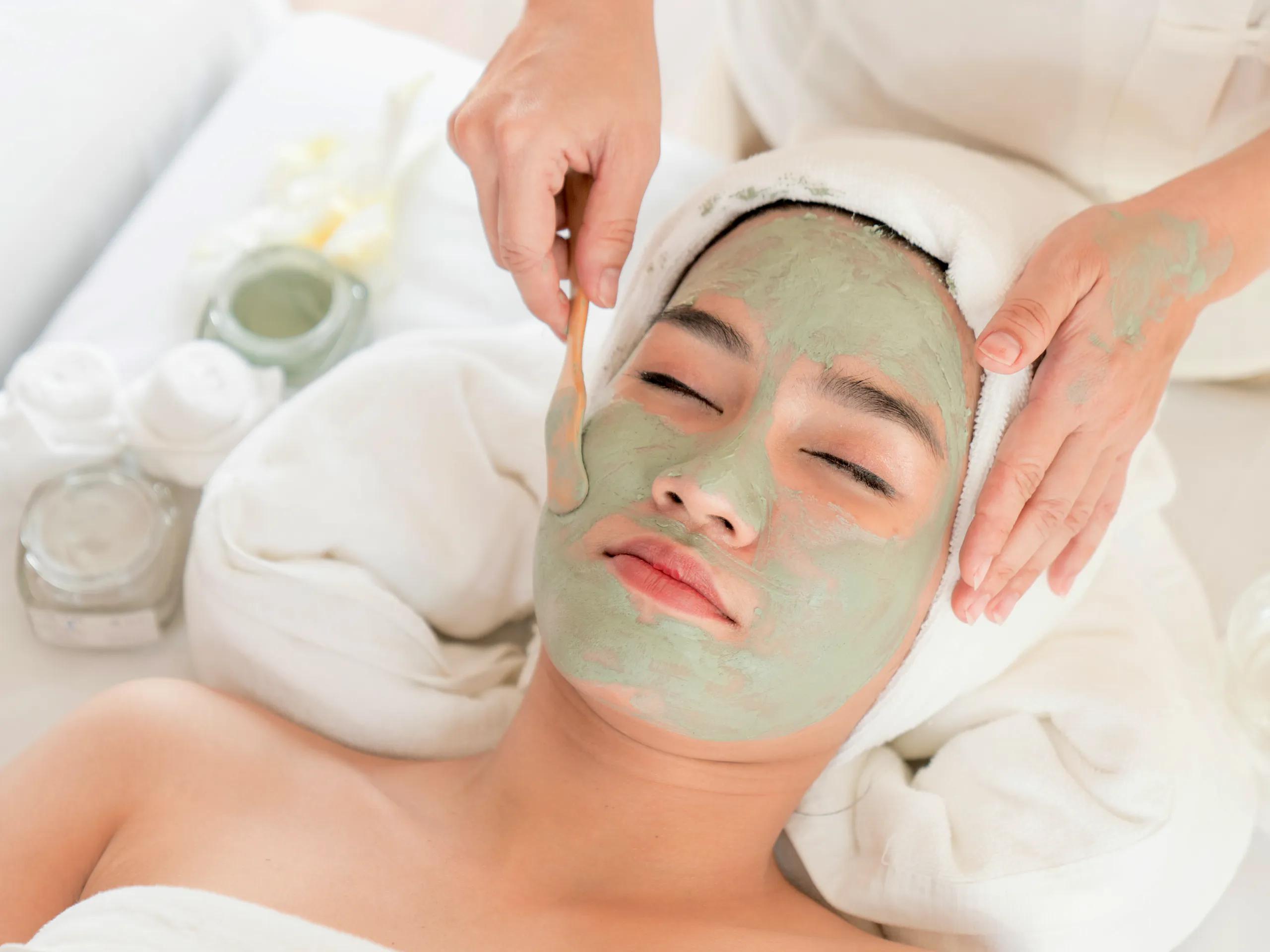
An esthetician is a professional who specialises in improving the health and appearance of the skin through a variety of cosmetic treatments. From rejuvenating facials to hair removal and exfoliation, estheticians offer tailored solutions to suit different skin types and concerns. In the UK, the demand for estheticians continues to grow as people prioritise self-care and wellness. Understanding what an esthetician does can help individuals make informed decisions about their skincare or career options.
Estheticians combine technical skill, scientific knowledge, and creativity to provide professional services that enhance both appearance and confidence. They work in spas, salons, and even medical clinics, supporting wellness-focused treatments. An esthetician’s role extends beyond simple procedures, often including client consultations, personalised advice, and careful post-treatment follow-up to ensure skin health is maintained over time.
What is an Esthetician
An esthetician is a licensed skincare professional who focuses on cosmetic treatments rather than medical procedures. Unlike dermatologists, estheticians work on the superficial layers of the skin, performing treatments such as facials, chemical peels, microdermabrasion, and hair removal. Their goal is to improve the appearance, texture, and overall health of the skin through safe and professional methods, providing clients with both visible results and a sense of well-being.
The profession of an esthetician often overlaps with other beauty-related careers, but it is distinct in its focus on skin health. While a beauty therapist may offer broader wellness services and an aesthetician may work in clinical settings, estheticians specialise in non-invasive treatments that enhance appearance and promote healthy skin. This distinction ensures clients receive targeted expertise from a trained professional.
Esthetician Career Path in the UK
A career as an esthetician in the UK offers a variety of opportunities across different settings. Professionals can work in high-end salons, day spas, wellness centres, or alongside medical practitioners in dermatology clinics. Career progression can include specialising in areas such as anti-ageing treatments, advanced skincare therapies, or even opening a private studio. Experienced estheticians may also become trainers, sharing their knowledge with future professionals entering the field.
Working as an esthetician requires dedication, creativity, and strong client communication skills. Estheticians must assess individual skin types, recommend appropriate treatments, and monitor results over time. The career is rewarding for those who enjoy hands-on work and making a tangible difference in people’s confidence and self-image, as well as for those who wish to grow professionally within a rapidly expanding industry.
Training and Education Requirements

To become an esthetician in the UK, individuals must complete accredited training programs that cover both theory and practical skills. Courses typically teach skin science, facial techniques, waxing, exfoliation, and client management. Students also learn essential hygiene and safety practices to ensure professional standards are met. Training programmes can vary in length, usually taking several months to a year depending on the course type and intensity.
Many aspiring estheticians choose apprenticeships or specialised diploma courses that combine hands-on experience with classroom instruction. Developing skills such as attention to detail, time management, and effective client communication is crucial. An esthetician must continually update their knowledge, keeping up with the latest products, techniques, and trends in the skincare industry to maintain a competitive edge in the UK market.
Licensing and Certification
Obtaining the proper certification and licensure is essential for practising as an esthetician in the UK. Professional standards are overseen by regulatory bodies to ensure safety, hygiene, and high-quality service delivery. Certification not only validates an esthetician’s expertise but also builds client trust and can improve career opportunities, especially for those seeking employment in reputable salons or clinics.
Continuous professional development is equally important for estheticians to maintain skills and stay updated on new technologies and treatments. Attending workshops, seminars, and training courses allows estheticians to expand their service offerings and maintain credibility. For clients, choosing a certified esthetician guarantees safe, effective, and professionally delivered treatments tailored to individual needs.
Esthetician Services Explained
Estheticians offer a wide range of services that enhance skin health and beauty. Common treatments include customised facials, chemical peels, microdermabrasion, and exfoliation techniques. Hair removal services such as waxing and threading are also standard, helping clients achieve smooth, glowing skin. An esthetician tailors each treatment to the client’s skin type, sensitivity, and personal goals, ensuring optimal results.
Advanced esthetician services may include LED therapy, supporting non-invasive medical treatments, or specialised anti-ageing therapies. Professionals focus on hygiene, careful assessment, and post-treatment care to ensure safe and effective results. An esthetician’s expertise allows clients to enjoy professional-grade treatments in a comfortable and supportive environment, improving both skin health and confidence.
Esthetician Salary and Job Outlook
The salary of an esthetician in the UK can vary depending on experience, location, and specialisation. Entry-level estheticians may earn a competitive starting wage, while highly experienced professionals or those running private studios often earn more substantial incomes. The growing popularity of skincare and wellness treatments ensures steady demand for skilled estheticians across the country.
The future outlook for estheticians is positive, with rising interest in personalised skin treatments and non-invasive therapies. Estheticians who develop specialised skills and adapt to new industry trends are likely to enjoy increased opportunities. This makes a career as an esthetician both financially and personally rewarding for those passionate about skincare and helping clients achieve their best appearance.
Tips for Choosing the Right Esthetician
Selecting the right esthetician is crucial for achieving safe and effective skincare results. Clients should research the professional’s qualifications, certifications, and experience before booking treatments. Reviews and recommendations from previous clients are valuable in assessing reliability and expertise. A good esthetician will provide clear consultations, listen to concerns, and explain treatment plans thoroughly.
Communication and comfort are key factors when choosing an esthetician. A professional esthetician tailors services to each client’s skin type, preferences, and goals while maintaining a safe and hygienic environment. Choosing the right esthetician ensures treatments are both enjoyable and effective, creating long-term benefits for skin health and overall confidence.
Conclusion
An esthetician is a highly skilled professional who enhances skin health and appearance through expert treatments. From facials and hair removal to advanced therapies, estheticians offer tailored services that improve confidence and well-being. In the UK, pursuing a career as an esthetician provides diverse opportunities in beauty and wellness, while clients benefit from safe, professional, and personalised skin care. Understanding the role of an esthetician ensures informed choices for career seekers and skincare enthusiasts alike.
You may also read: BMI Formula Explained