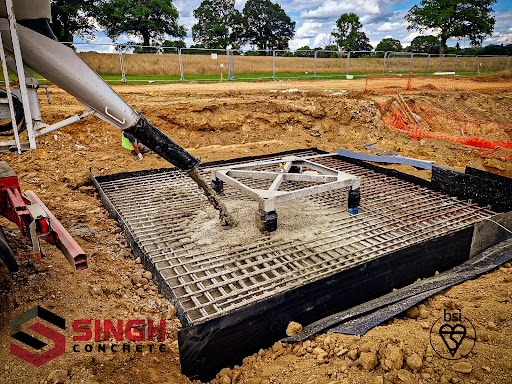
As the UK construction industry continues to grow, there is increasing pressure to reduce environmental impact without compromising on quality or performance. In 2026, low carbon concrete is becoming a key part of that shift.
Rather than being a niche option, it is now widely used across residential, commercial, and infrastructure projects as a more responsible alternative to traditional concrete.
But what exactly is low carbon concrete, and why is it gaining so much attention?
What Is Low Carbon Concrete?
Low carbon concrete is designed to reduce the amount of carbon dioxide (CO₂) produced during its manufacture, particularly by lowering the amount of traditional cement used in the mix.
Cement, especially Portland cement, is the most carbon-intensive component of concrete. Its production involves both high-energy processes and chemical reactions that release significant levels of CO₂.
Low carbon concrete works by partially replacing this cement with alternative materials, reducing the overall carbon footprint while maintaining structural performance.
How Is It Made?
The key to low carbon concrete lies in its mix design.
Instead of relying solely on traditional cement, it incorporates supplementary cementitious materials such as:
- Ground granulated blast-furnace slag (GGBS)
- Fly ash
- Other recycled or industrial by-products
These materials are typically sourced from existing industrial processes, meaning they help reduce waste while lowering the demand for new cement production.
By adjusting the proportion of these materials, suppliers can create mixes that balance strength, durability, and environmental performance.
Why It Matters for the Environment
Concrete is one of the most widely used materials in the world, and cement production alone is responsible for approximately 7–8% of global CO₂ emissions.
Reducing the cement content in concrete has a direct and measurable impact on emissions.
Low carbon concrete contributes to sustainability by:
- Lowering embodied carbon in construction projects
- Reducing reliance on energy-intensive cement production
- Making use of recycled and secondary materials
This aligns with the UK’s wider push towards net zero and more environmentally responsible building practices.
Performance and Practical Considerations
A common concern is whether low carbon concrete performs as well as traditional mixes.
In practice, when correctly specified, it can match and in some cases exceed the performance of standard concrete, particularly in terms of long-term durability and resistance to certain environmental factors.
However, there are practical differences to be aware of:
- Some mixes may have a slower setting time
- Strength gain can vary depending on materials used
- Conditions such as temperature can influence performance
This is why proper mix design and experienced suppliers are essential.
Where It Is Used
Low carbon concrete is now being used across a wide range of applications, including:
- Foundations and footings
- Driveways and domestic projects
- Commercial builds
- Infrastructure and large-scale developments
As awareness grows, more contractors and clients are actively requesting lower carbon options as part of their specifications.
Cost vs Long-Term Value
Cost can vary depending on the materials used and the specific requirements of the project.
In some cases, low carbon mixes are comparable in price to traditional concrete. In others, there may be a slight variation depending on availability and design.
However, the long-term value is where it becomes more compelling.
Benefits can include:
- Improved durability in certain environments
- Reduced environmental impact for the overall build
- Alignment with future regulations and sustainability targets
For many projects, it is not just about cost, but about making a more forward-thinking choice.
If you are planning a project and want to explore more sustainable options, reviewing a low carbon concrete service can help you understand what is suitable for your specific requirements.
The Future of Concrete in the UK
Sustainability is becoming a core part of construction, not an afterthought.
Developers, contractors, and homeowners are all under increasing pressure to build more responsibly. This is driving changes in materials, processes, and expectations across the industry.
Low carbon concrete is a key part of this transition.
As supply improves and awareness increases, it is likely to become a standard option rather than an alternative.
Final Thoughts
Low carbon concrete offers a practical way to reduce the environmental impact of construction without compromising on performance.
By lowering cement content, using recycled materials, and supporting long-term durability, it provides a more balanced approach to modern building.
Whether you are working on a small domestic project or a larger development, choosing low carbon concrete is not just about meeting today’s standards.
It is about building with the future in mind.
You may also read: Perfect Blazer