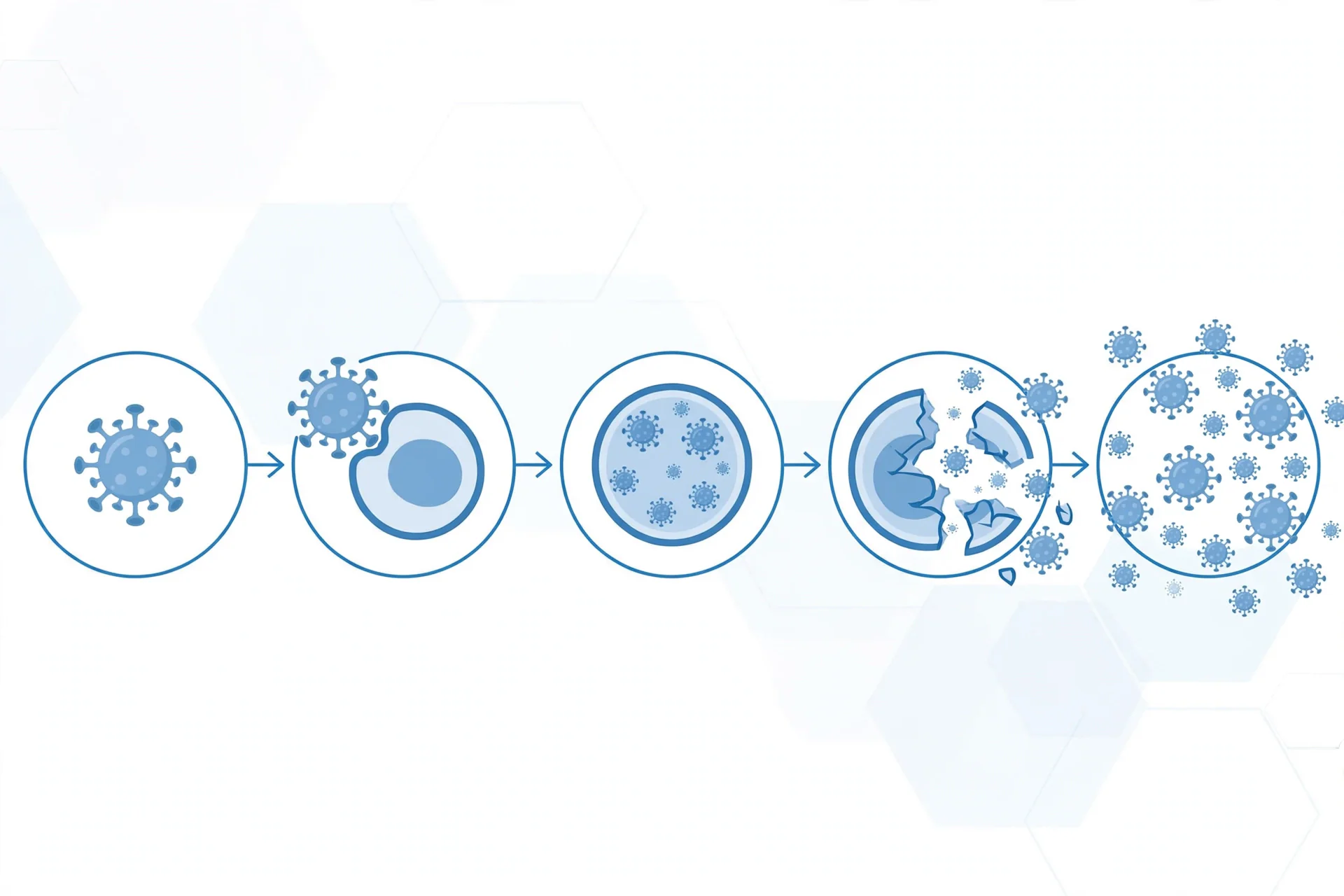
Herpes photos in different stages are among the most searched health images online, because people experiencing unfamiliar symptoms understandably want to compare what they see with a reliable reference. Herpes simplex virus — HSV-1 or HSV-2 — is a lifelong infection that follows a remarkably predictable cycle, and each phase has distinct clinical features. Understanding these stages helps with early recognition, better conversations with healthcare professionals, and far less anxiety about what is happening.
This guide explains what herpes photos in different stages typically show, walking through each phase from the first warning signs to complete healing in clear, clinical, educational terms. It is written for information only and is not a substitute for medical diagnosis — if you are concerned about symptoms, a GP or sexual health clinic can provide proper testing and advice.
Online communities, such as the herpes photos in different stages page, also share experiences and support for people managing outbreaks.
How Herpes Develops and Why Outbreaks Follow Stages
Herpes develops when the herpes simplex virus enters the body and establishes lifelong latency in nearby nerve cells, where it remains dormant between episodes. When reactivated by triggers such as stress, illness, hormonal changes, or a weakened immune system, the virus travels back along the nerve to the skin surface and an outbreak begins. This biology is exactly why herpes photos in different stages show such a consistent pattern rather than random symptoms.
Because the process is biological rather than random, outbreaks follow the same structured cycle in most people: an early warning phase, blister formation, ulceration, crusting, and healing. The first outbreak is usually the most noticeable, while recurrences tend to be milder and shorter as the immune system learns to respond. Recognising where you are in this cycle matters clinically, because treatments such as antiviral medication work best when started at the earliest possible stage.
Stage 1: The Prodrome (Early Warning Signs)
The earliest stage of a herpes outbreak is called the prodrome, and it is the one phase that herpes photos in different stages cannot show — because there is usually nothing visible yet. People typically notice localised tingling, itching, burning, or heightened sensitivity in a specific area, sometimes accompanied by mild flu-like feelings such as fatigue or tender lymph nodes. The virus is already active beneath the skin surface, travelling toward it.
Clinically, this is the most important stage to recognise. Antiviral creams and tablets are most effective when started during the prodrome, before blisters appear, and the NHS notes that antiviral creams for cold sores do not always work once blisters have already formed. Anyone who experiences recurrent outbreaks benefits enormously from learning their own prodrome pattern, since early treatment can shorten the episode and reduce its severity.
Stage 2: The Blister Stage

The blister stage is the phase most commonly depicted in herpes photos in different stages, because it is when symptoms become unmistakably visible. Small red papules appear and develop into clusters of fluid-filled vesicles, with the surrounding skin often inflamed and tender to touch. This stage is frequently the moment people first suspect herpes, as the visible changes are far more distinctive than the earlier internal sensations.
From a clinical perspective, this is also the point of highest contagiousness, and direct skin contact should be avoided. The blisters may enlarge over a day or two before rupturing naturally. They should never be deliberately burst or picked, as this increases the risk of secondary bacterial infection and prolongs healing. Keeping the area clean and avoiding irritants supports the natural progression to the next stage.
Stage 3: The Ulcer Stage
Once the blisters rupture, the outbreak enters the ulcer stage, characterised by shallow open sores where the vesicles have broken. In herpes photos in different stages this phase appears as raw, reddened areas that may weep clear fluid, and it is typically the most uncomfortable part of the cycle, with pain or stinging during everyday activities. The sores generally remain open for several days before beginning to dry.
This stage represents peak viral shedding on the skin surface, so strict hygiene matters: wash hands before and after touching the area, avoid sexual contact until fully healed, and keep the area clean with plain or salt water to prevent secondary infection. Medical treatment during this phase focuses on symptom relief and, where prescribed, antiviral medication to limit the outbreak’s course. Most people find this the most distressing stage emotionally as well as physically.
Stage 4: The Crusting Stage
After the ulcer stage, the sores begin to dry and form scabs — the crusting stage, clearly recognisable in herpes photos in different stages as yellowish, brownish, or darkened crusts over the healing skin. Pain usually eases noticeably at this point, though mild tenderness and itching are common as new tissue forms beneath the scab. The body is now actively rebuilding the skin barrier.
The single most important clinical advice for this stage is not to pick or disturb the crusts. Removing scabs prematurely reopens the wound, invites infection, and delays healing. This phase is a visible sign that the immune system is successfully bringing the outbreak under control, and with undisturbed healing most people progress smoothly to full recovery within days.
Stage 5: Healing and Recovery
The final stage sees the scabs fall away naturally, revealing fresh skin underneath with minimal residual redness. In herpes photos in different stages this phase shows largely normal-looking skin, sometimes with temporary mild discolouration depending on skin type and how severe the outbreak was. True scarring is uncommon. Symptoms resolve, and the virus returns to its dormant state in the nerve cells.
It is important to understand that healing of the visible outbreak does not mean the virus has left the body — herpes simplex remains latent for life and may reactivate in future. However, recurrences typically become less frequent and less severe over time, and many people find that identifying their personal triggers and starting treatment early makes each subsequent episode shorter and easier to manage than the last.
Genital vs Oral Herpes: How Stages Differ
Genital and oral herpes follow the same five-stage cycle, but the location and context differ in clinically relevant ways. Genital herpes, usually caused by HSV-2, affects the genital and surrounding areas and is transmitted through sexual contact; oral herpes, usually HSV-1, appears as cold sores around the lips and mouth. These stage-by-stage illustrations show the same blister-to-crust progression in both, with anatomy being the main visible difference.
There are practical differences worth knowing. Oral outbreaks are commonly triggered by sun exposure, stress, or illness, and the NHS guidance on cold sores explains that they are contagious from the first tingling sensation until fully healed, with antiviral creams most useful when applied at that early stage. Genital outbreaks carry additional considerations around sexual health, partner notification, and pregnancy, which is why professional assessment matters.
When to See a Doctor and How Herpes Is Treated
You should see a GP or visit a sexual health clinic promptly if you suspect genital herpes, particularly during a first episode. Clinicians can confirm the diagnosis with a swab test of blister fluid, discuss what the result means, and prescribe antiviral medication that stops symptoms worsening when started within five days. The NHS guide to genital herpes sets out exactly what happens at a sexual health clinic, including testing, treatment options, and how transmission works.
There is no cure that eliminates the virus, but herpes is highly manageable. Many sexual health clinics offer walk-in services with no appointment needed, testing is straightforward, and treatment for recurrences can shorten outbreaks by a day or two when started at the first sign of symptoms. Over time, outbreaks tend to become less frequent and milder, and suppressive daily antivirals are an option for people with very frequent recurrences.
Living With Herpes: Reducing Stigma
Beyond the physical symptoms, herpes carries a psychological weight that is often disproportionate to its medical seriousness, driven by stigma and misinformation rather than clinical reality. Herpes simplex is extraordinarily common — the majority of adults carry HSV-1 — and for most people it is an occasional, manageable skin condition rather than a defining health problem. Understanding the predictable, treatable nature of the outbreak cycle is one of the most effective antidotes to the anxiety a diagnosis can cause.
Open, factual communication helps enormously: with healthcare providers, who deal with these questions every day without judgement, and with partners, where honest discussion before symptoms appear is both responsible and normal. Patient organisations and sexual health clinics offer confidential support, and education consistently proves to be the best tool for replacing fear with informed confidence about managing the condition long term.
Frequently Asked Questions
What are the stages of a herpes outbreak?
The five recognised stages are: prodrome (tingling or itching before anything is visible), blister stage (fluid-filled vesicles appear), ulcer stage (blisters rupture into open sores), crusting stage (sores dry and scab over), and healing (scabs fall away and fresh skin forms).
How long does a herpes outbreak last?
A first outbreak typically lasts two to four weeks from prodrome to full healing. Recurrent outbreaks are usually shorter and milder, often resolving within a week to ten days, especially with early treatment.
When is herpes most contagious?
Herpes is most contagious from the first tingling of the prodrome through to complete healing of the sores, with the blister and ulcer stages carrying the highest viral shedding. Transmission can occasionally occur without visible symptoms.
Can herpes be cured?
There is no cure that removes the virus from the body, but antiviral medications can shorten outbreaks, reduce their frequency, and ease symptoms. Most people’s outbreaks become milder and less frequent over time.
Should I see a doctor about suspected herpes?
Yes — a GP or sexual health clinic can confirm the diagnosis with a simple swab test, prescribe effective treatment, and give accurate advice about managing the condition and protecting partners.
Conclusion
Herpes photos in different stages serve a genuinely useful educational purpose: they show that herpes follows a predictable, recognisable cycle from early warning signs through blisters, ulcers, crusting, and healing. Recognising each stage empowers earlier treatment, better self-care, and calmer, more productive conversations with healthcare professionals — replacing uncertainty with understanding.
While herpes simplex stays in the body for life, it is a manageable condition, and most people find that knowledge, prompt treatment, and sensible precautions keep it firmly in the background of a normal, healthy life. If you are concerned about symptoms, professional testing and advice are confidential, straightforward, and the right next step.
Looking after intimate health is part of looking after overall health — you may also find our guide on when to start thinking about urological health useful.
And for a broader view of proactive intimate healthcare, read our urological health age guide to know which signs deserve attention at every stage of life.