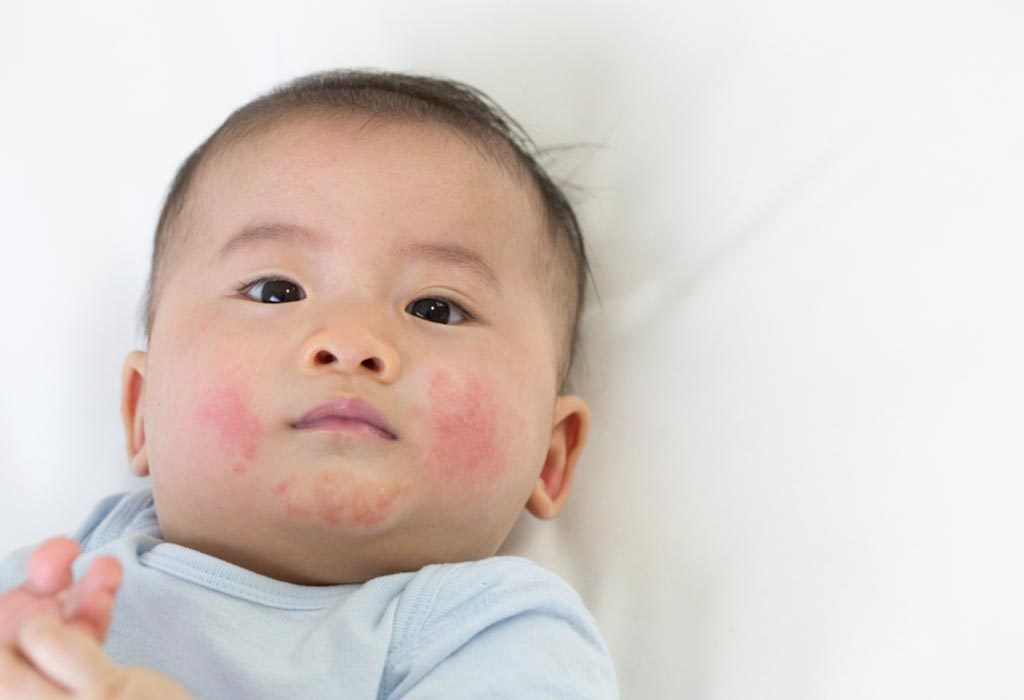
Teething rash on face is a common skin condition that affects many babies during their early developmental stages. It usually appears when excessive drooling during teething irritates the delicate skin around the mouth, chin, and cheeks. Although it may look concerning for parents, it is generally harmless and temporary, resolving once the teething phase settles and saliva production reduces naturally.
Teething rash on face often appears as red patches, small bumps, or dry irritated areas that can vary in severity. It is most noticeable in babies who drool frequently or keep their skin damp for long periods. While it may seem alarming at first, understanding the condition helps parents manage teething rash on face with confidence and provide the right care at home.
Causes of Teething Rash on Face
Teething rash on face develops primarily due to prolonged contact between saliva and sensitive baby skin. During teething, babies produce more saliva than usual, and this constant moisture sits on the skin around the mouth and chin. Over time, this irritation weakens the skin barrier and leads to redness, inflammation, and discomfort in the affected areas.
Other contributing factors include friction from bibs, clothing, and frequent wiping of the face, which can further aggravate sensitive skin. Pacifiers can also increase moisture around the mouth, making teething rash on face more likely. Some babies are naturally more prone due to sensitive skin types, making them more vulnerable to irritation during the teething stage.
Symptoms of Teething Rash on Face
Teething rash on face typically presents as red, inflamed patches around the mouth, chin, and cheeks. In some cases, small raised bumps or rough textures may develop, making the skin appear uneven. The affected areas may also look dry, chapped, or slightly swollen depending on how long the saliva has been in contact with the skin.
In more noticeable cases, teething rash on face may spread slightly towards the neck folds or upper chest due to drool dripping downward. Although the rash can look uncomfortable, it is usually not painful. Most babies remain happy and active, and the rash improves once proper skin care and moisture control are introduced.
Teething Rash on Face vs Other Baby Skin Conditions

Teething rash on face is often confused with eczema, heat rash, or allergic reactions, but there are clear differences. Unlike eczema, which is chronic and linked to immune response, teething rash on face is temporary and directly associated with drooling during teething. It also tends to stay concentrated around the mouth and chin rather than spreading widely.
Heat rash usually appears in sweaty areas like the back or folds of the skin, while allergic reactions may include swelling, widespread redness, or additional symptoms. Understanding these distinctions helps parents correctly identify teething rash on face and avoid unnecessary treatments or worry when caring for their baby.
Treatment for Teething Rash on Face
The most effective treatment for teething rash on face is keeping the affected area clean and dry throughout the day. Gently patting the skin with a soft cotton cloth helps remove excess saliva without causing further irritation. Avoid rubbing the skin, as this can worsen inflammation and delay the healing process of teething rash on face.
Applying a protective barrier cream such as petroleum jelly or zinc-based ointments can help shield the skin from moisture. Natural options like coconut oil are also commonly used to soothe irritation. Regular cleansing with lukewarm water and gentle baby-safe products supports recovery and helps reduce the discomfort associated with teething rash on face.
Home Remedies for Teething Rash on Face
Home remedies can play a supportive role in soothing teething rash on face and promoting faster healing. Coconut oil is often used due to its natural moisturising and anti-inflammatory properties. Some parents also use breast milk as a gentle remedy because of its soothing and protective effects on irritated baby skin.
Frequent bib changes and keeping soft cotton cloths nearby can help manage drooling effectively. Allowing the skin to breathe and avoiding harsh wipes or fragranced products also reduces irritation. These simple and natural approaches can significantly ease teething rash on face and make the baby more comfortable during the teething period.
Prevention Tips for Teething Rash on Face
Preventing teething rash on face involves managing drool before it irritates the skin. Regularly wiping the baby’s face with a soft cloth helps reduce prolonged exposure to saliva. Using absorbent bibs and changing them frequently also prevents moisture from reaching the skin and worsening irritation over time.
Applying a thin layer of barrier cream before periods of heavy drooling can offer extra protection. Maintaining a gentle skincare routine and ensuring the baby’s face remains dry and well-ventilated also helps. These preventative measures reduce the chances of developing recurring teething rash on face during the teething stage.
When to Seek Medical Advice for Teething Rash on Face
Although teething rash on face is usually harmless, there are certain situations where medical advice is recommended. If the rash becomes cracked, bleeds, or shows signs of infection such as swelling or pus, it may require professional treatment. Persistent irritation that does not improve with home care should also be assessed by a healthcare provider.
Parents should also consult a doctor if teething rash on face is accompanied by fever, unusual behaviour, or spreads extensively beyond the face. These symptoms may indicate another underlying condition. Early medical advice ensures proper diagnosis and helps protect the baby’s overall skin health.
How Long Does Teething Rash on Face Last
Teething rash on face typically lasts as long as excessive drooling continues, which may range from a few days to several weeks. The duration varies depending on the baby’s teething stage and how effectively moisture is managed. Once drooling decreases, the skin usually heals quickly with proper care.
Consistent cleaning, barrier protection, and gentle skincare routines help speed up recovery. In most cases, teething rash on face fades naturally without leaving any long-term effects. Parents often notice significant improvement once the teething phase stabilises and saliva production becomes more controlled.
Conclusion
Teething rash on face is a normal and temporary condition that many babies experience during their teething journey. While it may look uncomfortable, it is generally mild and manageable with simple home care techniques. Keeping the skin clean, dry, and protected plays a key role in reducing irritation and supporting healing.
With proper care and preventive habits, teething rash on face resolves naturally as the teething phase passes. Parents can feel reassured knowing that this condition is not serious and can be easily managed with gentle attention, patience, and consistent skincare practices tailored for sensitive baby skin.
You may also read: Blister stage shown in herpes photos in different stages