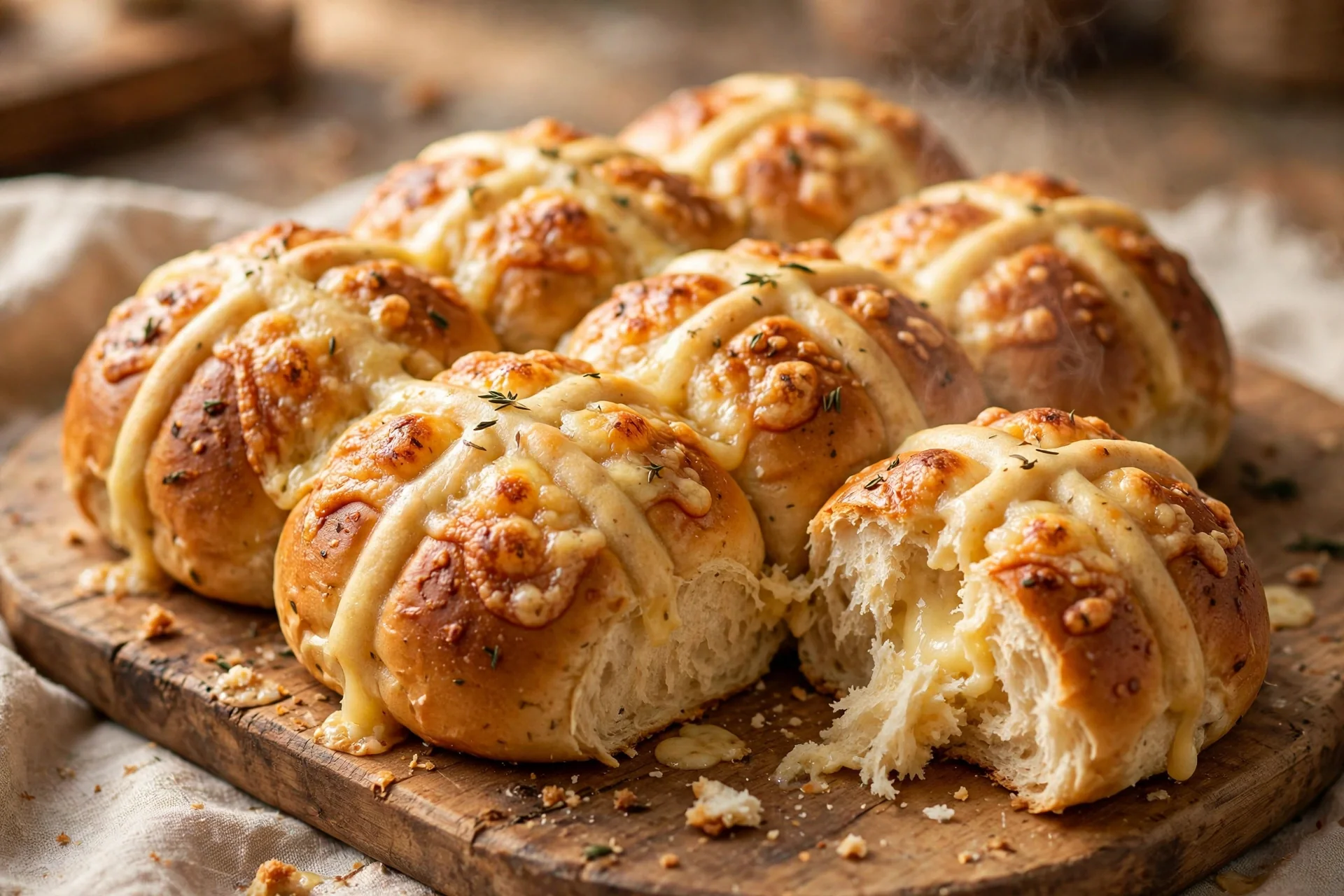
Every Easter, British supermarkets compete to reinvent the hot cross bun, but few experiments have divided opinion — or filled baskets — quite like ms cheese hot cross buns from Marks & Spencer. Out goes the sweet, spiced, raisin-studded tradition; in comes a savoury bun loaded with mature Cheddar and Red Leicester, aimed squarely at shoppers who prefer cheese to currants. Is it a genius twist on a classic, or a seasonal gimmick that should have stayed in the product development kitchen? This review tastes, tests and prices them properly to find out.
The short answer is that ms cheese hot cross buns are genuinely good — properly cheesy, soft-textured and far more versatile than a traditional bun — provided you buy them for what they are: a savoury bakery treat, not a sweet Easter substitute. Below we cover what is actually in them, how they taste toasted and untoasted, what they cost compared with supermarket rivals, their calories and nutrition, the best ways to serve them, and an honest verdict on who should buy them and who should stick to the classic fruit version when the Easter range lands in store.
What Are M&S Cheese Hot Cross Buns
M&S cheese hot cross buns are a savoury take on the traditional hot cross bun, the spiced sweet bun marked with a cross that has been eaten in Britain around Easter for centuries. The M&S version keeps the familiar shape, the soft enriched dough and the piped cross on top, but replaces the fruit, peel and warm spices with a blend of cheeses — typically mature Cheddar and Red Leicester — worked through the dough and scattered over the top, so the finished bun bakes up golden with a savoury, slightly crisp cheese crust. They are sold in the bakery section as part of the seasonal Easter range, usually in multipacks, and they are suitable for vegetarians.
The idea is less strange than it first sounds. Cheese and bread are natural partners, cheese scones are a British tearoom staple, and a warm savoury bun answers the same craving as a cheese toastie in a more portable form. Marks & Spencer has built a reputation for premium seasonal lines through its official food range, and ms cheese hot cross buns are a textbook example of its approach: keep the recognisable format shoppers trust, change one bold element, and charge a modest premium for better ingredients. Whether that formula works depends entirely on the eating, which is where this review goes next.
Taste Test: Flavour, Texture and the Toasting Test
The first thing you notice about ms cheese hot cross buns is the smell — a proper baked-cheese aroma, closer to a cheese scone fresh from the oven than to anything from the sweet bakery aisle. Eaten untoasted, the bun is soft and pillowy with a gentle chew, and the cheese flavour is present but polite: savoury, rounded and slightly tangy from the Cheddar, without the saltiness that ruins cheaper cheese bakes. The crumb stays moist rather than doughy, and the Red Leicester gives occasional richer pockets where a piece of cheese has melted into the dough during baking rather than dispersing through it.
Toasting is where they come alive. A few minutes under the grill or in the toaster crisps the cheese topping, deepens the flavour and gives the cut side a delicate crunch against the soft centre — the contrast a plain bun cannot offer. With butter, they are rich and moreish in the way of all good cheese baking; without, they still stand up as a snack on their own. Compared with sweet hot cross buns there is obviously no contest on fruit or spice, but judged as savoury baking, ms cheese hot cross buns beat most supermarket cheese rolls and scones for flavour depth, because the cheese is in the dough and on top of it rather than a token grated afterthought.
Price and Value for Money in the UK
M&S cheese hot cross buns sit at the premium end of the supermarket bakery shelf: expect to pay noticeably more per pack than for standard hot cross buns from the big four supermarkets or the discounters, and more again than for M&S’s own traditional fruit buns in some seasons. Exact prices move year to year with the Easter range, and pack sizes and any introductory offers change too, so the figure on the shelf in your local store is the one to trust — but the positioning never changes. You are paying the familiar M&S premium for ingredient quality and for a product nobody else sells in quite the same form.
Judged purely on cost per bun, they are not the rational choice; judged on cost per enjoyable, slightly special eating experience, they hold up much better. A traditional bun is an everyday item for six weeks of the year, while ms cheese hot cross buns are a seasonal treat most people buy once or twice, take home for a weekend lunch and genuinely look forward to. On that basis the value case is reasonable: the cheese content is real, the texture is a cut above own-label savoury bakes, and there is very little comparable on the market. Budget shoppers will find better arithmetic elsewhere, but flavour shoppers are unlikely to feel short-changed.
Calories and Nutritional Information
Because they are made with an enriched dough and a generous amount of cheese, ms cheese hot cross buns are a moderately calorific bakery item — broadly in line with other premium buns and cheese scones rather than with plain bread rolls. Each bun supplies a mix of carbohydrate from the flour, protein and fat from the cheese and dough enrichment, and a noticeable amount of salt, as almost all cheese baking does. The exact calories, fat and salt per bun are printed on the pack and on the M&S website product page, and those official figures are the ones to use if you are tracking intake closely, because recipes are tweaked between seasons.
Context matters more than alarm. Eaten as part of a meal — split and toasted alongside soup or a salad, as suggested below — one bun is a satisfying portion that replaces the bread element of the meal rather than adding to it, which is a sensible way to fit them into a balanced diet. Where they can catch people out is as a standing-in-the-kitchen snack, because they are designed to be moreish. The honest nutritional verdict on ms cheese hot cross buns is the same as for a good cheese scone: not a health food, not a dietary disaster, and best enjoyed deliberately, in moderation, and ideally warm.
Best Ways to Eat M&S Cheese Hot Cross Buns
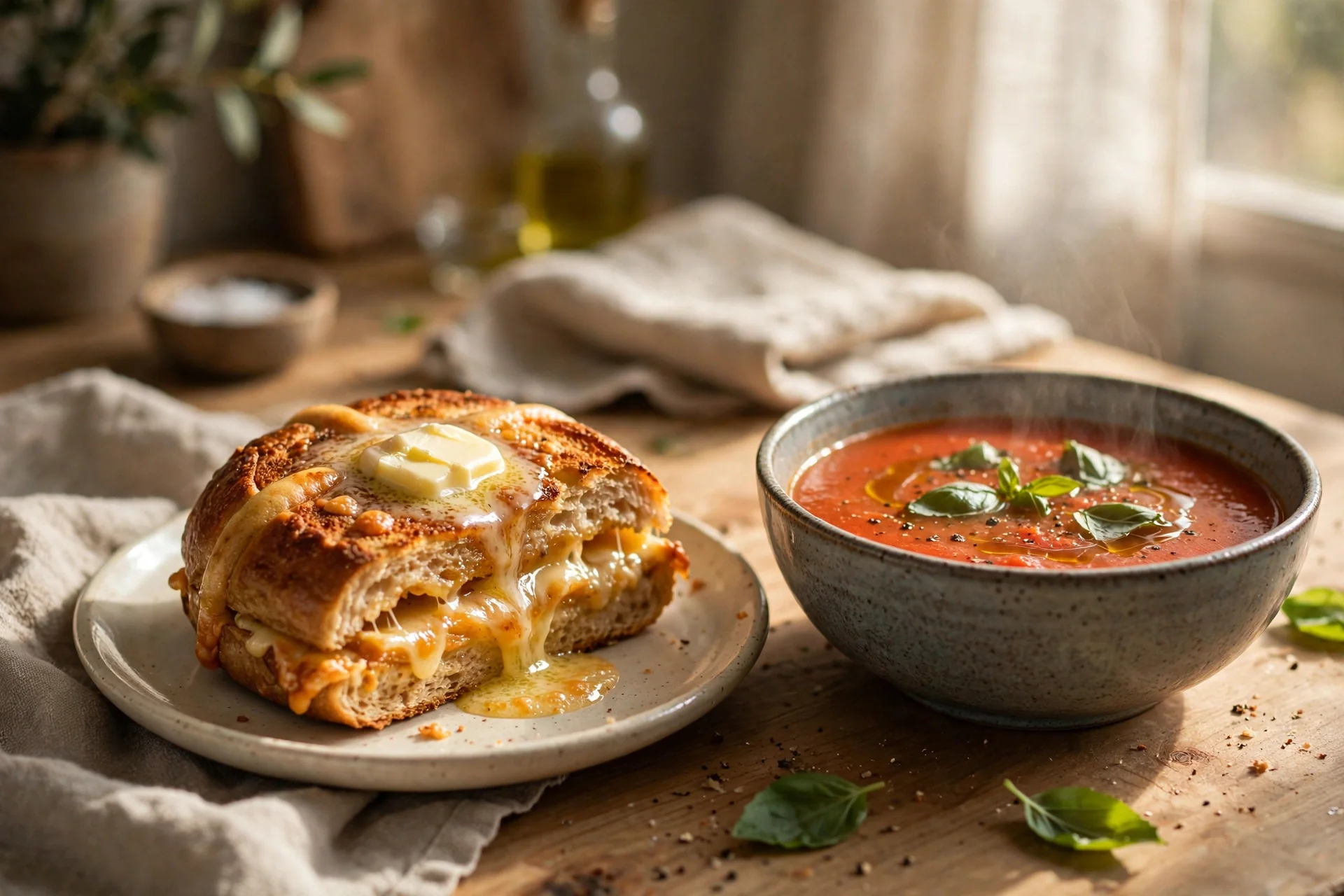
The simplest serving is also the best: split the bun, toast it until the cheese topping crisps and the cut side turns golden, and add a thin spread of butter while it is hot. That treatment maximises everything the bun does well — the contrast of crisp top and soft middle, the full cheese aroma, the slight tang against the butter’s richness. A strong cup of tea alongside is the traditional tearoom pairing, and it works beautifully, cutting through the cheese and turning two buns into a genuinely satisfying light lunch rather than a snack you barely notice eating.
Beyond butter, ms cheese hot cross buns are unusually adaptable for a seasonal product. Use them as the base for a mini cheese toastie or a bacon sandwich at breakfast; serve them warm beside tomato, leek and potato or French onion soup, where they outperform ordinary rolls; or split and fill them cold with ham and chutney for a picnic with a bit of ceremony about it. They also freeze respectably — slice before freezing and toast from frozen — which lets you stock up when the Easter range is in store rather than mourning it in May. The one treatment to avoid is the microwave, which turns the crumb rubbery and the cheese topping greasy: two minutes of dry heat beats thirty seconds of steam every time.
Pros, Cons and Final Verdict
The strengths of ms cheese hot cross buns are clear: an original idea executed properly, real cheese flavour in every bite rather than a hint of it, a soft premium crumb, and a versatility — snack, lunch base, soup partner, breakfast sandwich — that sweet buns cannot match. They also keep the theatre of the hot cross bun, cross and all, which makes them feel like an Easter product rather than a cheese roll in costume. For shoppers who find traditional buns too sweet, or who simply enjoy savoury baking, they are one of the first items worth seeking out when the seasonal range appears in store.
The drawbacks are equally fair to state. The price is premium and the multipack format means the curious pay for several buns to try one; traditionalists who want spice, fruit and sweetness will find nothing here for them; and availability is seasonal and can be patchy in smaller stores, with the buns sometimes selling through early in the day. None of that undermines the product itself. Our verdict: ms cheese hot cross buns are a confident, well-made twist that earns their place in the Easter range — buy a pack toasted-and-buttered at least once this season, and let the traditionalists keep their currants.
Conclusion
M&S cheese hot cross buns succeed because they are not a novelty for novelty’s sake: they take a format Britain already loves and rebuild it around an ingredient pairing — bread and mature cheese — that has never failed in any bakery. The flavour is properly cheesy rather than hinted, the texture holds up untoasted and shines toasted, and the buns work across breakfast, lunch and teatime in a way sweet buns simply cannot. The premium price and short season are real limitations, but they are the familiar terms of M&S seasonal baking, and most buyers will consider them fairly traded.
If you try one supermarket experiment this Easter, make it this one: buy a pack of ms cheese hot cross buns, toast them, butter them, and judge them as the savoury bake they are rather than the sweet bun they replaced. Traditionalists will keep their spiced fruit — as they should — but the cheese version has carved out its own loyal following for good reason, and on the evidence of the taste test it will be back on the shelves, and in baskets, for many Easters to come.
Frequently Asked Questions
Are M&S cheese hot cross buns sweet or savoury?
They are fully savoury. Unlike traditional hot cross buns, ms cheese hot cross buns contain no raisins, currants, mixed peel or sweet spices; instead the dough is flavoured with cheeses such as mature Cheddar and Red Leicester, with cheese also scattered over the top before baking. Expect something closer to a soft cheese scone or cheese roll in flavour — with the familiar bun shape and cross kept for tradition.
How many calories are in M&S cheese hot cross buns?
They are a moderately calorific bakery item, broadly comparable to a premium cheese scone, because the dough is enriched and the cheese content is generous. The exact calories per bun — along with fat, saturates and salt — are printed on the pack and listed on the M&S product page, and those official figures should be used for precise tracking, since the recipe and bun size can change slightly between seasons.
What is the best way to eat M&S cheese hot cross buns?
Split and toasted is the standout method: toasting crisps the cheese topping, warms the crumb and deepens the flavour, and a little butter on the hot cut side makes them richer still. They also work as a base for cheese toasties and bacon sandwiches, or served warm with soup in place of a roll. Avoid the microwave, which makes the crumb rubbery — dry heat is what these buns are built for.
Are M&S cheese hot cross buns suitable for vegetarians?
Yes — the buns are a vegetarian product, as their ingredients are bread dough and cheese rather than any meat-derived components, and they are labelled accordingly on the pack. They are not vegan, because the cheese and the enriched dough contain dairy (and typically egg and milk), so plant-based shoppers should look to the vegan items in the seasonal range instead and always check the current pack labelling.
When can I buy M&S cheese hot cross buns?
They are a seasonal Easter line, so they appear in M&S food halls in the run-up to Easter — typically from late winter onwards — and disappear once the seasonal range ends, although popular lines sometimes return or extend if demand is strong. Availability varies by store size, and they can sell out during the day in busier branches, so buying earlier in the day or ordering through M&S’s food channels gives the best chance.
How long do M&S cheese hot cross buns keep, and can you freeze them?
Like most fresh bakery items, they are best eaten within a day or two of purchase and should be stored in a cool place in their packaging; refreshing them in a warm oven or toaster restores the texture well. They also freeze successfully — ideally sliced first, so halves can be toasted straight from frozen — which is the sensible way to stock up before the seasonal range leaves the shelves.
Anyone who likes checking what is really in their food will also appreciate our guide to McDonald’s allergens UK, which explains the 14 major allergens and how to check any menu item before you order. For more honest UK food guides in the same spirit, browse our complete McDonald’s allergens UK breakdown and eat out with the facts in hand.