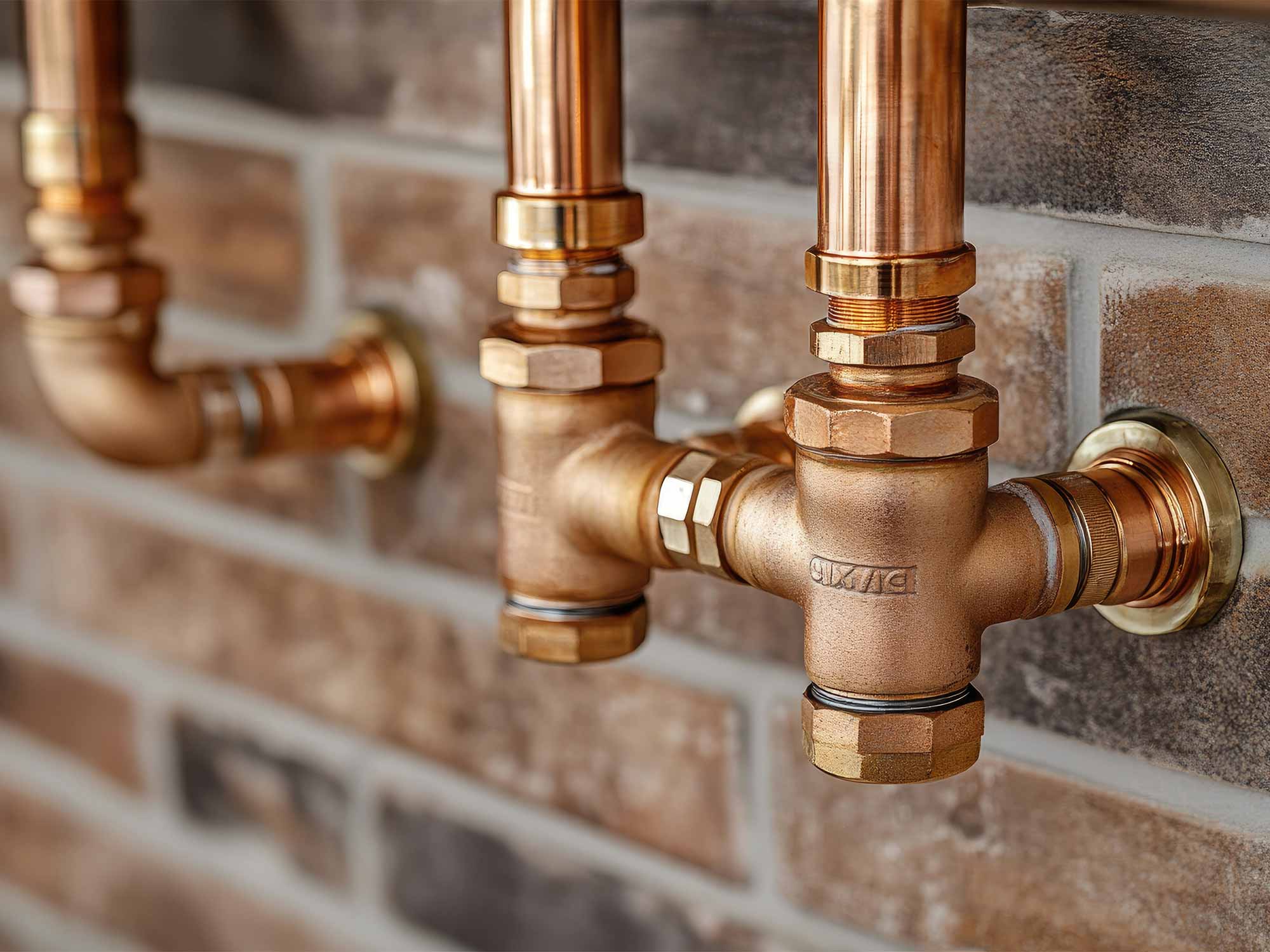
Copper pipes are one of the most trusted materials used in residential and commercial plumbing systems around the world. Homeowners often search how long do copper pipes last when buying or renovating properties because pipe lifespan directly impacts maintenance cost and water safety. These pipes have been used for decades due to their strength, heat resistance, and natural ability to resist bacteria, making them a long-term solution in many plumbing installations.
In modern construction, copper pipes for plumbing are still considered a premium option because they deliver reliable water flow for hot and cold systems. However, the actual performance depends on several environmental conditions such as water quality, installation technique, and maintenance practices. Understanding how long do copper pipes last helps homeowners make informed decisions about repairs, replacements, and long-term plumbing investments.
What Are Copper Pipes? Types, Uses, and Key Benefits
Copper pipes are durable metal tubes commonly used in water supply systems, heating systems, and underground plumbing networks. Many people prefer copper pipes for water because they are resistant to corrosion, can withstand high temperatures, and maintain clean water quality over long periods. These pipes are especially valued in older homes where reliability and longevity are critical.
There are three main types of copper pipes, each designed for different applications. Type K is the thickest and used for underground lines, Type L is most common in residential plumbing, and Type M is lighter and used in low-pressure systems. The type of pipe installed significantly affects how long do copper pipes last, as thicker walls naturally provide better resistance against wear and corrosion over time.
How Long Do Copper Pipes Last? Lifespan Explained
The average answer to how long do copper pipes last is typically between 50 and 70 years under normal residential conditions. In some cases, especially where water quality is stable and installation is done correctly, copper plumbing systems can last even longer than a century. This impressive lifespan is one of the main reasons copper continues to be widely used in both new and older homes.
However, real-world performance varies depending on several factors such as soil conditions, water acidity, and maintenance habits. While copper is naturally durable, aggressive water chemistry can reduce its lifespan significantly. This means understanding how long do copper pipes last is not just about numbers, but also about how well the plumbing system is protected and maintained over time.
Key Factors That Affect Copper Pipe Durability
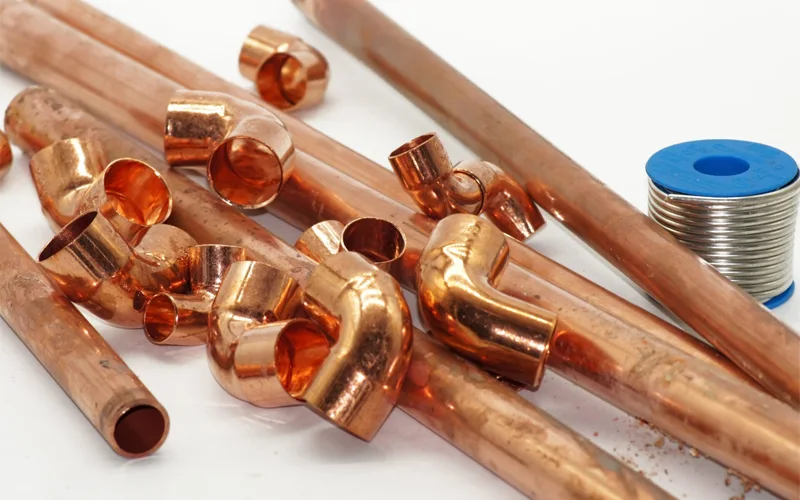
Water quality is one of the most important factors that determines how long do copper pipes last in any property. Highly acidic or overly soft water can slowly corrode the inner surface of pipes, eventually leading to leaks or pinhole damage. On the other hand, balanced water chemistry helps copper pipes remain stable and functional for decades without major issues.
Installation quality is equally important for long-term performance. Poor workmanship during soldering copper pipes or incorrect joints can lead to early failures. Knowing how to solder copper pipes or how to sweat copper pipes properly ensures strong connections that reduce leakage risks. External factors like electrical grounding problems and soil composition can also influence corrosion rates in buried plumbing systems.
Corrosion in Copper Pipes: Causes, Risks, and Warning Signs
Corrosion is one of the biggest concerns when evaluating how long do copper pipes last. Over time, corroded copper pipes may develop small pinhole leaks, discoloration, or weak water pressure. These issues often start internally, making them difficult to detect until damage becomes more serious and costly to repair.
Green corrosion on copper pipes is commonly caused by oxidation when copper reacts with moisture and air. While it may look alarming, it does not always indicate immediate danger. However, if corrosion spreads or leads to leaks, it can affect water quality and system efficiency. Regular inspection helps prevent long-term damage and extends the lifespan of plumbing systems significantly.
Are Copper Pipes Safe for Drinking Water?
Copper plumbing is generally safe for drinking water when installed and maintained correctly. Many homeowners ask are copper pipes safe or are copper pipes safe for drinking water, especially in older systems. In most cases, copper levels remain within safe limits and do not pose health risks when water conditions are balanced and pipes are in good condition.
However, issues may arise if water becomes too acidic or if pipes begin to deteriorate. In such cases, small amounts of copper may leach into the water supply. Understanding how long do copper pipes last also includes evaluating whether aging systems continue to meet safety standards. Regular water testing ensures that drinking water remains clean and safe over time.
Copper Pipes vs PEX: Which Is Better for Plumbing Systems?
When comparing PEX vs copper pipes, both materials offer unique advantages depending on the application. Copper pipes are highly durable, heat-resistant, and long-lasting, making them ideal for high-performance plumbing systems. PEX pipes, on the other hand, are flexible, easier to install, and more cost-effective, which makes them popular in modern construction projects.
Many homeowners consider replacing copper pipes with PEX during renovations due to lower installation costs and reduced labor time. However, copper still holds an advantage in longevity and reliability. Understanding how long do copper pipes last helps homeowners decide whether to keep existing copper systems or upgrade to newer alternatives based on performance needs and budget.
Signs Your Copper Pipes Need Replacement
Recognizing early warning signs is essential when evaluating how long do copper pipes last in a home. Common indicators include frequent leaks, reduced water pressure, discolored water, and visible corrosion on exposed pipes. These symptoms suggest that the plumbing system is nearing the end of its functional life and may require replacement.
Older plumbing systems that frequently develop issues are often more expensive to maintain than replace. If corroded copper pipes are widespread, homeowners may benefit from upgrading the entire system. Evaluating how long do copper pipes last helps determine whether repair or full replacement is the more cost-effective long-term solution.
Maintenance Tips to Extend Copper Pipe Lifespan
Proper maintenance plays a major role in determining how long do copper pipes last. Regular inspections help identify early signs of corrosion or leaks before they become serious problems. Maintaining balanced water chemistry and installing water softeners can significantly reduce internal pipe damage over time.
Protecting pipes from electrical grounding issues also helps prevent electrolysis, which can accelerate corrosion. Additionally, ensuring proper insulation in colder climates prevents freezing damage. Simple maintenance practices can extend the lifespan of copper plumbing systems far beyond their average expectancy.
Do Copper Pipes Freeze and How to Prevent Damage
Copper pipes can freeze in extremely cold temperatures, especially when water inside them stops moving. Frozen pipes may expand and eventually burst, causing serious water damage. Understanding how long do copper pipes last also involves protecting them from seasonal temperature risks that can shorten their lifespan.
Preventing freezing requires insulation, heating protection, and allowing slow water flow during cold weather. Homes in colder regions should take extra precautions to maintain pipe integrity. While copper is durable, freezing conditions remain one of the few environmental risks that can significantly damage plumbing systems.
Conclusion: Are Copper Pipes Still a Smart Choice?
Copper pipes remain one of the most reliable and long-lasting plumbing materials available today. The answer to how long do copper pipes last depends on installation quality, water conditions, and maintenance practices, but most systems perform well for decades. In many homes, copper continues to provide safe and efficient water distribution.
Even with modern alternatives like PEX, copper remains a strong choice for homeowners who value durability and long-term performance. Understanding how long do copper pipes last helps in making informed decisions about maintenance, repairs, and replacements. With proper care, copper plumbing systems can continue serving households reliably for generations.
FAQs
How long do copper pipes usually last in a home?
Copper pipes typically last between 50 and 70 years under normal conditions.
What causes copper pipes to corrode over time?
Water acidity, poor installation, and environmental conditions can lead to corrosion.
Are copper pipes safe for drinking water today?
Yes, they are safe when water chemistry is balanced and pipes are well maintained.
What are signs that copper pipes need replacement?
Leaks, discoloration, and low water pressure are common warning signs.
Which is better: copper or PEX pipes?
Copper is more durable, while PEX is cheaper and easier to install.
Can copper pipes last over 100 years?
Yes, in ideal conditions, they can exceed 100 years of service.
Why do copper pipes turn green?
Green corrosion forms due to oxidation and moisture exposure over time.
You may also read: How Many Cinder Blocks on a Pallet in Standard Construction