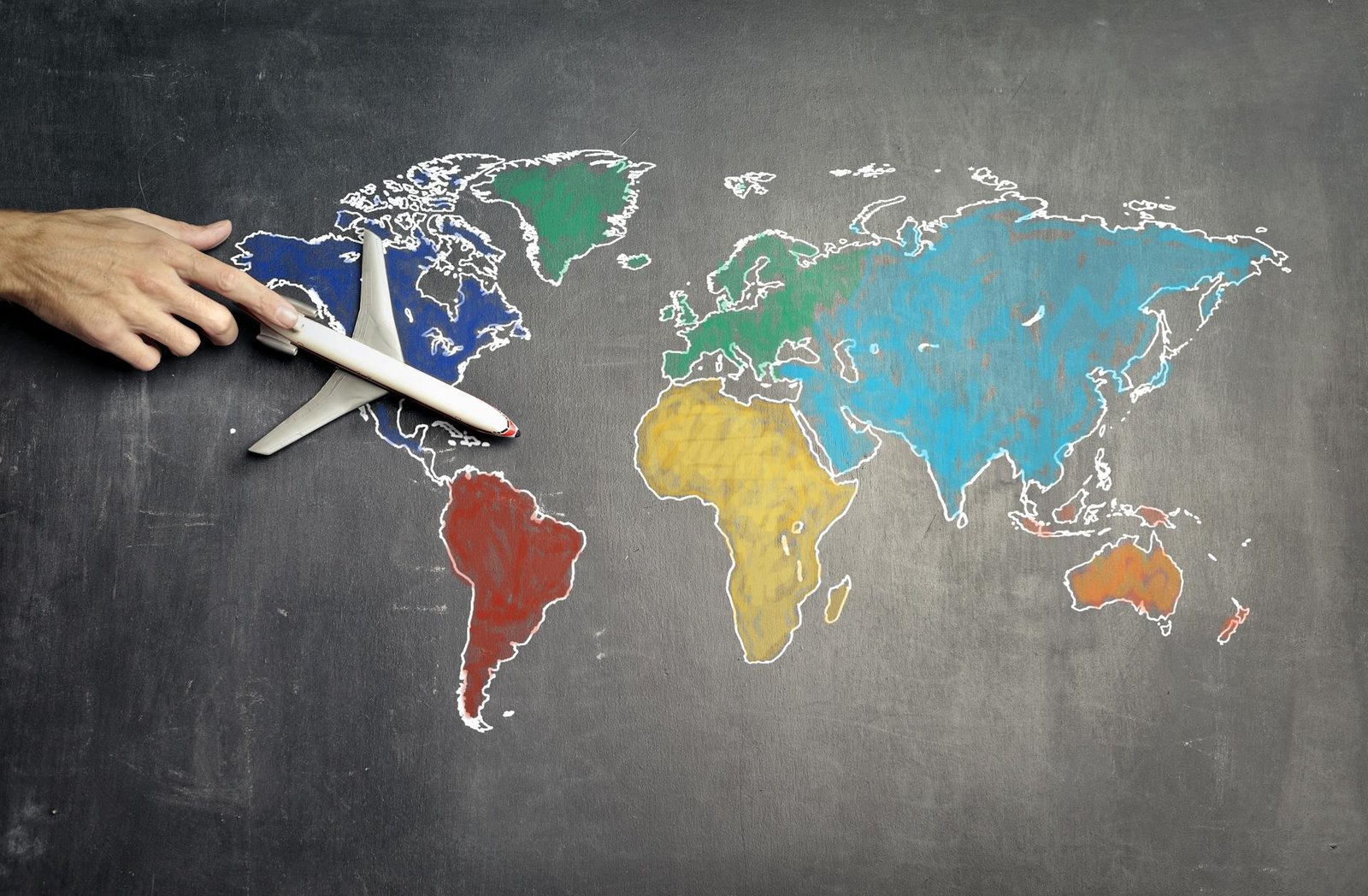
Most travel checklists look almost identical. Passport? Check. Flights booked? Check. Hotel reservation saved somewhere that can actually be found later? Hopefully check. What rarely appears on that list is culture, even though it ends up influencing almost every part of a trip.
The strongest impressions of a culture often come from simple interactions that seem ordinary to local residents. Small details. Nothing life-changing. Yet those details often become the stories people tell later.
The Parts Nobody Really Prepares For
Travel guides are excellent at telling people where to go. They are less useful at explaining how a place feels. That usually takes a few days to figure out.
Sometimes it happens while sitting in a public square doing absolutely nothing. Sometimes while waiting for food. Sometimes while getting completely lost and ending up in a neighbourhood that was never part of the original plan.
In Japan, many visitors notice the quietness of trains almost immediately. It sticks out, not because someone encouraged them to search for it. Dinner can begin in certain regions of Spain at an hour that may seem shockingly late to someone travelling from somewhere else. Offering tea or coffee is typically more about hospitality than refreshments in most of the Middle East.
These traditions are not complicated. Most people living there probably never stop to think about them. That is exactly why they are interesting. They developed naturally over time and became part of everyday life.
Traditions Are Not Frozen in Time
Tourists and visitors sometimes arrive expecting traditions to exist only in museums, historic districts, or special events. Then reality proves otherwise.
In Saudi Arabia, Indonesia, Malaysia, and Pakistan, Eid al-Adha continues to play a significant role in community life. Families get together, family members travel, meals are cooked, and charitable donations and givings take on particular significance. Initiatives like Qurbani 2026 promote a ritual that continues to have great importance for millions of Muslims while assisting in providing food to those in need.
Even if the customs themselves are quite different, something like charitable contributions can be observed elsewhere. During diwali in India, streets often glow late into the evening. During Holi, colours seem to appear everywhere at once. Visitors naturally take photographs. Residents are usually focused on something else entirely such as spending time with family, meeting friends, and continuing traditions they have known for years. That difference changes how these events are experienced.
One Country Can Surprise People More Than Once
Many travellers prepare for a destination as if it has a single personality. After arrival, that idea tends to fall apart fairly quickly.
Northern Italy does not necessarily feel like southern Italy. Tokyo does not feel like a small town in rural Japan. The same applies in countless other places. Food changes. Conversation styles change. Daily routines change. Sometimes even attitudes toward time seem to change. That is why adaptability is useful. That is why keeping an open mind helps. Places often feel very different from how they appear in travel articles and guidebooks. Most local residents do not expect visitors to understand every social custom. They know visitors are visitors. Respect matters. Interest matters. Paying attention matters. Usually that is enough.
What People End Up Talking About Later
Years after returning home, many travellers can remember surprisingly random details. Not the exact ticket price for a museum. Not the number of steps climbed to reach a viewpoint. Something else. The old man who spent twenty minutes explaining a local tradition. The unexpected festival discovered by accident. The restaurant recommendation that came from a stranger and turned out to be the best meal of the trip. Those memories tend to last because they were never part of the plan. They happened naturally.
Understanding local customs is not really about becoming an expert on another culture before boarding a flight. It is more about remaining curious after arriving. Often, the most meaningful travel experiences come from understanding how local communities live, celebrate, and connect.