Women’s health is a vast and nuanced field, and yet one of its most underappreciated dimensions is the intersection between neurological conditions and female physiology. From migraines and multiple sclerosis to epilepsy and peripheral neuropathy, neurological disorders affect women differently than men — and in many cases, more severely. Hormonal fluctuations across the menstrual cycle, pregnancy, and menopause can dramatically alter the course of these conditions, making it essential for women to receive care that is both neurologically informed and gender-sensitive. Understanding this intersection is not just medically important; it is a matter of quality of life.
The Unique Neurological Landscape for Women
Neurological conditions do not present uniformly across genders. Women are disproportionately affected by autoimmune neurological diseases such as multiple sclerosis, which is nearly three times more common in women than in men. Similarly, migraine disorders affect approximately 18% of women compared to 6% of men, with hormonal triggers playing a significant role in onset and severity. Conditions like restless leg syndrome, anxiety-related neurological symptoms, and even stroke present with different risk profiles and symptom patterns in women.
This biological reality demands a clinical approach that accounts for sex-specific differences in brain chemistry, immune response, and hormonal influence. Unfortunately, many women go years without a proper diagnosis because their symptoms are dismissed or misattributed. The growing awareness of gender-specific neurology is beginning to change this, but there is still considerable ground to cover.
Hormones and the Brain: A Complex Relationship
Estrogen and progesterone are not merely reproductive hormones — they are deeply involved in brain function, neuroprotection, and inflammation regulation. Estrogen, in particular, has been shown to influence serotonin and dopamine pathways, which are central to mood regulation, pain perception, and cognitive function. This is why many women notice changes in neurological symptoms during different phases of their menstrual cycle, during pregnancy, or as they approach menopause.
Migraines and Hormonal Triggers
Menstrual migraines are among the most well-documented examples of hormonal influence on neurological health. The sharp drop in estrogen levels just before menstruation is a known trigger for severe migraine episodes. Women who experience these cyclical headaches often find that standard migraine treatments are less effective unless the hormonal component is also addressed. This requires a collaborative approach between neurologists and gynecologists — a model of care that is increasingly being adopted in progressive healthcare settings.
Epilepsy and Pregnancy: A Delicate Balance
Epilepsy management during pregnancy is one of the most challenging scenarios in women’s neurological care. Anti-epileptic drugs (AEDs) can carry risks for fetal development, yet uncontrolled seizures pose serious dangers to both mother and child. Careful medication review, dosage adjustment, and close monitoring are essential throughout pregnancy. According to clinical guidance on nonobstetric surgery and medical management during pregnancy, multidisciplinary coordination is critical when managing complex conditions in pregnant patients, underscoring the need for integrated care teams.
The Rise of Women-Centered Neurological Care
The broader movement toward gender-specific medicine has begun to reshape how neurological care is delivered to women. Private healthcare providers, in particular, have been at the forefront of this shift. Clinics that specialize in women’s health are increasingly incorporating neurological assessments into their care pathways, recognizing that conditions like chronic fatigue, brain fog, and mood disorders often have neurological underpinnings that are tied to hormonal health.
This evolution in care delivery is especially visible in the UK, where women’s private doctors are transforming the standard of women’s health clinic care by offering more personalized, thorough, and integrated consultations. These practitioners are bridging the gap between gynecology, endocrinology, and neurology — ensuring that women receive a complete picture of their health rather than fragmented, specialty-siloed advice.
Why Integrated Care Models Matter
When a woman presents with persistent headaches, cognitive difficulties, or unexplained fatigue, the cause may lie at the intersection of multiple systems. A purely gynecological lens might miss a neurological diagnosis, while a purely neurological approach might overlook hormonal contributors. Integrated care models that bring together specialists from different disciplines — under one roof or through coordinated referral networks — are far more likely to arrive at accurate diagnoses and effective treatment plans.
This is particularly important for conditions like fibromyalgia, lupus-related neurological symptoms, and postpartum neurological changes, all of which require nuanced, multi-system understanding. Women deserve care that reflects the complexity of their biology, not a one-size-fits-all approach designed around male-dominated clinical trial data.
Cleveland Clinic Abu Dhabi: Neurological Excellence in the Region
For women in the Middle East seeking world-class neurological care, Cleveland Clinic Abu Dhabi stands as a benchmark institution. The Neurological Institute at Cleveland Clinic Abu Dhabi brings together internationally trained specialists who are equipped to manage the full spectrum of neurological conditions — including those with gender-specific presentations. Whether a patient is navigating a new diagnosis of multiple sclerosis, managing epilepsy during pregnancy, or seeking answers for chronic migraines that have resisted standard treatment, the institute offers the depth of expertise and diagnostic technology required for complex cases.
Consulting a qualified neurologist at Cleveland Clinic Abu Dhabi means accessing a team that understands not only the science of the brain but also the lived experience of patients whose neurological health is shaped by hormonal cycles, reproductive transitions, and gender-specific risk factors. This level of specialized, compassionate care is what distinguishes truly patient-centered neurology from routine clinical practice.
Diagnostic Precision and Personalized Treatment
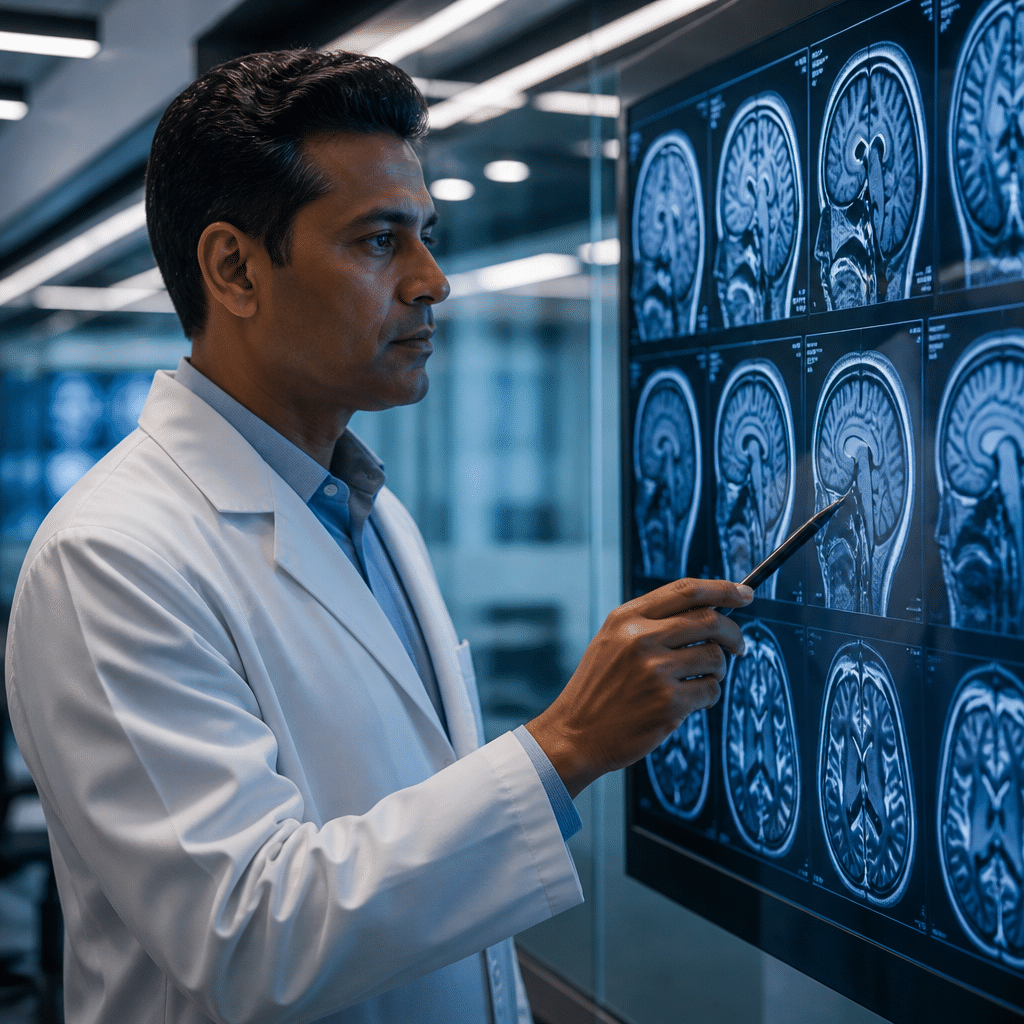
Advanced neuroimaging, electroencephalography, nerve conduction studies, and comprehensive cognitive assessments are among the tools available at leading neurological institutes. For women, these diagnostics are most valuable when interpreted through a gender-informed clinical framework — one that considers how hormonal status, reproductive history, and lifestyle factors interact with neurological findings. Personalized treatment plans that account for these variables lead to better outcomes and fewer missed diagnoses.
Conclusion: Advocating for Your Neurological Health
Women’s neurological health is a field that has long been underserved, but the tide is turning. Greater awareness, improved diagnostic tools, and a growing commitment to gender-specific medicine are creating new opportunities for women to receive the care they genuinely need. Whether you are dealing with a known neurological condition or experiencing symptoms that have yet to be explained, seeking out specialists who understand the unique interplay between female physiology and brain health is one of the most important steps you can take. Your neurological wellbeing is not a secondary concern — it is central to every aspect of your life, and it deserves to be treated as such.