Last updated: 16 October 2026.
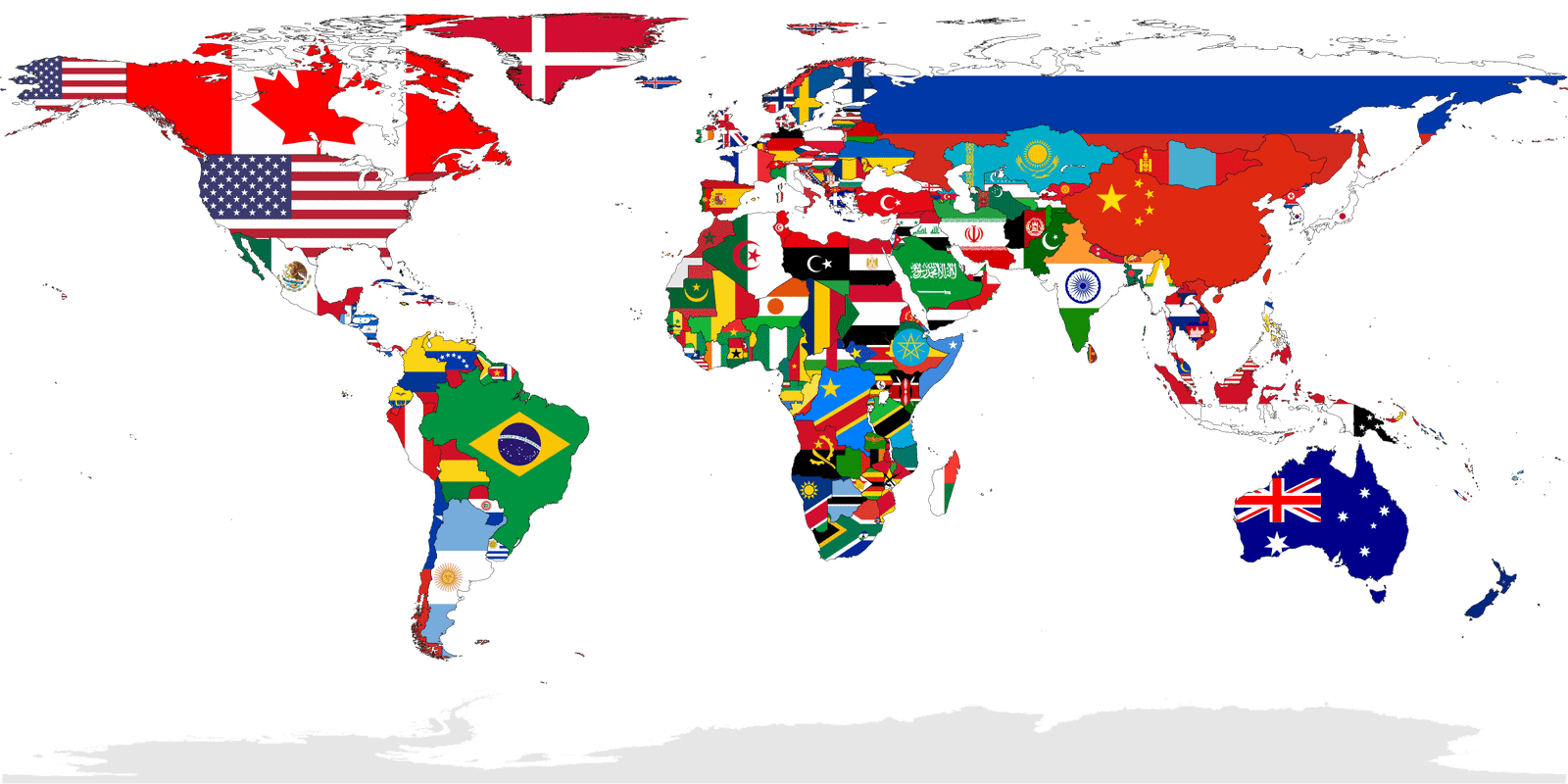
The landscape of online gaming has evolved dramatically over the past decade. What was once a relatively uniform global market is now a patchwork of highly distinct national frameworks, regional preference profiles, and regulatory mandates. Because legal requirements and software availability vary significantly depending on where you live, finding the right online gaming platform requires looking beyond generic recommendations. Filtering options and evaluating casino sites by country allows players to verify that a platform is fully licensed, accessible in their jurisdiction, and equipped with payment methods suited to their local banking ecosystem.
Navigating this fragmented environment requires a structured approach. A platform that offers an exceptional experience for a player in Western Europe might be restricted or completely non-functional for someone residing in North America or the Asia-Pacific region. Understanding how international licensing works, how regional regulations protect players, and how local payment integrations operate will help you make safe, well-informed choices tailored to your exact geographical location.
Key Takeaways
- The right casino site depends on your country: licensing, payments, and game availability all vary by jurisdiction.
- Always verify a license recognized in your own country before depositing — unlicensed sites risk blocks and frozen withdrawals.
- Look for native currency support and local payment methods (Trustly, Interac, Pix, Instant EFT) to avoid conversion fees.
- Game libraries differ by region due to software licensing — check the actual catalog available at your location.
- Test customer support in your time zone and language before committing real funds.
Understanding Local Licensing and Online Gambling Regulations
The foundation of any safe online gaming experience is regulatory compliance. Different jurisdictions handle online gambling in vast, contrasting ways. Certain countries operate under a strict national licensing model where operators must obtain explicit authorization from a local government body—such as the UK Gambling Commission (UKGC) in the United Kingdom or the Alcohol and Gaming Commission of Ontario (AGCO) in Canada. Other jurisdictions rely on well-established international gaming hubs, including the Malta Gaming Authority (MGA) or the Curaçao Gaming Authority, to provide oversight across cross-border markets.
When researching platforms, your primary objective should be verifying that the site holds a valid license recognized in your jurisdiction. Regulated operators are required to implement rigorous consumer protection standards. These include holding player funds in segregated bank accounts, utilizing certified Random Number Generators (RNGs) for fair gameplay, adhering to strict Anti-Money Laundering (AML) standards, and providing robust responsible gambling tools like self-exclusion lists and deposit limits.
If you register on a site that does not legally operate in your region, you risk facing technical blocks, account suspensions, or difficulty withdrawing funds due to geoblocking policies and local financial restrictions. Regulatory bodies enforce strict geolocation boundaries to remain compliant with local laws. Before creating an account, consulting comprehensive gaming directories and detailed operator guides at information.casino can help clarify which international platforms adhere to respected regulatory frameworks and accept players from your specific region.
Understanding your nation’s specific laws also prevents unpleasant surprises regarding tax obligations. In countries like Canada, the UK, and Germany, recreational gambling winnings are largely tax-free under most circumstances, whereas other jurisdictions require players to report every payout as taxable income. Verifying the legal standing of a site relative to your home country ensures that your gameplay remains compliant and secure from every angle.
Navigating Regional Markets: Evaluating Casino Sites by Country
Beyond legal compliance, regional adaptation shapes the entire user experience. Leading international operators rarely offer a single, identical website to all visitors worldwide. Instead, they build tailored portals customized for specific nationalities, currencies, and cultural nuances. Comparing top casino sites by country highlights how operators tailor their software libraries, bonus structures, and support systems to meet local expectations.
For example, players residing in East Asia often encounter gaming preferences that differ markedly from those in Northern Europe or South America. In markets like Japan, live dealer baccarat, high-volatility anime-styled video slots, and tailored customer support are primary considerations. Conversely, Scandinavian players often prioritize instant pay-and-play functionality driven by bank ID authentication, while Latin American markets often show high demand for sports betting integrations and mobile-first wallet solutions.
Regional gaming characteristics at a glance
- Western Europe — Strict licensing, fast payouts. Common payments: PayPal, Open Banking, Trustly.
- North America — Local state/provincial licenses. Common payments: ACH/E-check, Credit, Interac.
- East Asia — Mobile UI, Live Baccarat. Common payments: Local bank transfers, Crypto.
- Sub-Saharan Africa — Low-bandwidth, mobile wallets. Common payments: Instant EFT, Mobile Money.
When evaluating a site built for your region, look at how thoroughly the operator has localized their platform. True localization goes far beyond simple Google-translated text. It encompasses native-speaking customer service staff, localized terms and conditions, support for your local fiat currency, and game catalogs from developers popular in your area. For instance, players in the Japanese market seeking in-depth insights into local gaming trends, compliance rules, and dedicated Japanese-language operators often rely on specialized portals such as japanesecasinos.com to find platforms explicitly designed for their geographic demographic.
Evaluating platforms through a localized lens prevents the frustration of signing up for a service only to find that key game titles are restricted by software developers in your country or that bonus promotions cannot be claimed in your native currency.
Tailored Payment Methods and Currency Compatibility
One of the clearest indicators that a platform is genuinely optimized for your region is its cashier section. Banking infrastructure varies significantly from nation to nation. An operator that relies solely on standard credit card processing or international wire transfers often presents significant hurdles for players whose local banks block foreign gambling transactions.
Top-tier global sites overcome these barriers by partnering with local financial services, e-wallets, and payment gateways. When reviewing available deposit and withdrawal methods, look for options that are widely used and trusted within your country:
- Direct Bank Transfer Systems: Solutions like Trustly in Europe, Interac in Canada, or Pix in Brazil allow players to move funds securely directly from their personal bank accounts without sharing sensitive card details.
- Localized E-Wallets: Services such as PayPal, Skrill, Neteller, or MuchBetter provide fast transaction speeds and act as a buffer between your primary bank and the gaming site.
- Mobile Payment Networks: In regions with rapidly growing digital infrastructures, mobile-first payment networks and local voucher systems allow instant account top-ups directly from a smartphone.
Evaluation checklist: is this site right for your country?
- Valid license from a recognized regulator in your country
- Supports native fiat currency (no hidden conversion fees)
- Integrates popular local payment gateways
- Game library accessible without software region-locks
- Native language customer support operating in your time zone
Currency compatibility is equally crucial. Depositing and withdrawing in your native currency saves you from incurring foreign exchange fees, which can quietly erode your bankroll by 2% to 5% on every transaction. In focused markets like South Africa, where instant Electronic Funds Transfers (EFT) and local card processing dominate player transactions, visiting regional platforms such as jackpot.co.za provides immediate access to operators configured specifically around the South African Rand (ZAR) and local banking standards.
Furthermore, withdrawal processing times are heavily influenced by country-specific banking protocols and identity verification (KYC) requirements. Sites tailored to your jurisdiction will have established procedures to verify local utility bills and government-issued IDs quickly, ensuring your payouts are processed without unnecessary administrative delays.
Game Selection and Regional Preferences
Software developers and game studios operate under strict licensing contracts that dictate where their games can be legally offered. Consequently, the game library you see on an operator’s homepage can vary dramatically depending on your IP address. A platform boasting 5,000 games on its global homepage might only serve 1,500 of those titles to players accessing the site from a specific licensed jurisdiction due to regional software distribution rights.
Different regions also exhibit distinct gaming tastes. Understanding what types of games are popular in your country can help you select a platform that aligns with your gaming style:
- Classic and Video Slots: Universally popular, though mechanics differ by country. European markets frequently lean toward cluster-pay, grid-based slots and feature-rich megaways mechanics. In Eastern European markets, traditional fruit machines and simple line-based slots maintain immense popularity. Players seeking detailed guides on traditional online slot machines and regional game variations frequently consult Polish slot gaming guides at jednoreki-bandyta.pl to understand paytable mechanics and RTP configurations.
- Table Games and Live Dealer Studios: In North America and Western Europe, Blackjack and European Roulette remain staples. In Asian markets, Baccarat and Dragon Tiger dominate live dealer volume. Live dealer streams broadcasting in native languages (such as Italian, German, or Spanish) are increasingly sought after by local players.
- Local Specialties: Certain markets have a high affinity for niche offerings, such as crash games (e.g., Aviator), video bingo, or skill-based arcade games.
When exploring casino sites by country, always review the active software providers available in your region. Reputable global developers—such as NetEnt, Microgaming, Pragmatic Play, Play’n GO, and Evolution Gaming—audit their games for fairness through independent testing laboratories like eCOGRA or iTech Labs. Ensuring your chosen operator offers games from certified developers accessible in your location guarantees an authentic, unmanipulated gaming session.
Customer Support, Localization, and Operator Reputation
The true test of any online casino comes when you need assistance. Whether clarifying bonus wagering requirements, confirming a document upload during a routine KYC audit, or asking about a pending payout, responsive customer support is critical.
Localization plays a pivotal role in support quality. If you live in a time zone that is eight hours away from an operator’s primary customer service desk, you may face long delays when seeking live help. Reliable localized operators provide 24/7 live chat or ensure their support desks are fully staffed during peak gaming hours in the country they serve.
Key verification criteria before you sign up
- Check Regulatory Credentials — Confirm license details at the footer of the site.
- Review Cashier Accessibility — Ensure local deposit & withdrawal methods are active.
- Test Support Availability — Verify live chat responds during your active local time zone.
- Research Local Reputation — Look for feedback from players residing in your country.
Furthermore, evaluating an operator’s long-term standing within a specific national market gives valuable insight into its reliability. Established regional operators demonstrate how a globally recognized brand tailors its infrastructure, welcome bonuses, and mobile applications to meet the strict legal, financial, and promotional expectations of a specific country’s player base.
Before committing real funds to any site, spend a few minutes researching feedback from players in your country on independent review forums. Look specifically for comments regarding withdrawal speeds, bonus transparency, and customer service responsiveness. A platform with a strong local track record and positive player sentiment is far more likely to provide a stable, hassle-free gaming environment over the long run.
North America: State and Provincial Frameworks
United States: State-by-State Frameworks
The United States operates under a state-by-state regulatory model. New Jersey was an early adopter, with a mature market and a strong operator ecosystem. Pennsylvania has a high tax rate, but it is a major revenue-generating state. Michigan has experienced rapid growth since legalizing online casinos in 2021. West Virginia permits a smaller number of licensed operators. Connecticut has limited options but has established a framework for online gambling. Rhode Island launched its iGaming market in 2024, adding a new regulated option for local players.
Canada: Provincial Regulation
Canada’s legal structure is province-led, with Ontario standing as the leading regulated market. Operators must secure a license from the Alcohol and Gaming Commission of Ontario (AGCO) and register with iGaming Ontario (iGO) to operate legally. Interac e-Transfer has become the most widely used deposit method in Canadian online casinos, offering fast, secure, and low-cost transactions. Canadian players can consult regulated Canadian casino portals and established Canadian casino directories such as casinocanada.com to compare locally licensed options.
For a side-by-side breakdown of operator approval windows versus Interac and crypto settlement times, see il.ly’s Canadian casino payout comparison.
European iGaming Standards
United Kingdom and Northern Europe
The UK operates under the UK Gambling Commission (UKGC), widely considered one of the strictest regulators in the world, with rigorous player protection rules — including the GamStop self-exclusion scheme — that make it a benchmark for safe gambling. Sweden and Denmark both operate well-regulated markets where licensed operators must comply with local consumer protection rules, advertising restrictions, and responsible gambling requirements.
Western Europe
Germany operates under the Interstate Treaty on Gambling (Glücksspielstaatsvertrag) and is supervised by the GGL (Gemeinsame Glücksspielbehörde der Länder). The Netherlands is regulated by the Kansspelautoriteit (KSA), which enforces strict licensing rules and responsible gambling measures. Spain is governed by the Dirección General de Ordenación del Juego (DGOJ), which oversees online casino and betting activities. Italy is regulated by the Agenzia delle Dogane e dei Monopoli (ADM), ensuring licensed operators meet compliance and taxation requirements. Players comparing provincial offerings across Canada can consult province-focused gambling guides for more on how regional licensing shapes the player experience.
Latin America and Asia-Pacific
Latin America’s Regulatory Evolution
Brazil previously banned online gambling, but a 2025 federal law (Law No. 14,790) legalized and regulated the industry, which was to come into effect on January 1, 2026. However, the Brazilian government suspended the start of the law through a presidential decree, which was to be signed by the end of 2025. As of September 25, 2026, online gambling remains illegal in Brazil (MP 1,394), as the new regulatory framework has not yet been enacted. This ban applies to all forms of online gambling, including sports betting and casino games. In Mexico, online gambling is regulated at the federal level, with operators needing a license from the Mexican government. Colombia operates a well-regulated online gambling market under the supervision of Coljuegos, the national regulatory authority. Argentina has a decentralized regulatory structure, where each province sets its own rules for online gambling.
Asia-Pacific
Australia’s gambling laws are governed by the Interactive Gambling Act (IGA), which prohibits online casino games but permits sports betting and online poker under strict conditions. In Asia, the gambling landscape varies widely: Japan has a limited legal gambling framework with restricted online options, while India has no national law explicitly banning online gambling, though individual states impose their own regulations. India’s UPI (Unified Payments Interface) payment system has revolutionized how Indian players deposit funds, offering fast and secure transactions. For a broader view of how operators are assessed across regions, specialized casino review platforms compare licensing, payments, and game libraries by market.
How to Evaluate and Choose Safe Local Online Casinos
- Verify Regional Licensing: Always check for a license from the regulatory body in your country or state. This ensures the casino operates legally and adheres to strict guidelines that protect players.
- Inspect Payment Gateways: Local casinos offer payment methods specific to your region, which can reduce fees and ensure faster transactions. Look for deposit methods familiar to your local banking system, such as Interac in Canada, UPI in India, or SEPA in Europe.
- Review Security Protocols: Confirm that the casino uses SSL encryption and follows local data privacy laws to protect your personal information. Reputable platforms will display their licensing information and security measures on their website.
- Test Customer Support: Effective customer service in your language and time zone is crucial. Test response times and the quality of support before making a deposit. Independent casino comparison sites can help you shortlist operators that meet these criteria.
Local vs. Offshore Online Casinos: Key Differences
| Feature | Local Online Casinos | Offshore Online Casinos |
|---|---|---|
| Legal Protection | Fully regulated under local laws, providing stronger legal safeguards for players | Operate outside local jurisdiction, making legal recourse difficult |
| Consumer Safety | Subject to rigorous audits and player protection policies | Less oversight, higher risk of unfair practices |
| Banking & Currency | Support local payment methods and native currency, reducing transaction costs | May require currency conversion, leading to additional fees |
| Identity Verification | Follow local KYC and anti-money laundering regulations | May have less stringent verification processes |
| Tax Compliance | Winnings and operator revenues are subject to local tax regulations | Winnings may not be taxed locally, but operators often evade national tax laws |
Mobile-First Innovations
The rise of smartphone adoption has created a mobile-first gaming experience. Modern regional platforms have shifted to a mobile-first engineering approach, prioritizing native apps, biometric logins, and mobile payment integration. This transformation has streamlined the betting experience, enabling users to place wagers, access live streams, and manage their accounts with just a few taps. For mobile gaming enthusiasts, phone.casino offers a detailed analysis of how Touch ID and vertical display layouts enhance mobile casino navigation and accessibility.
Tailored Promotions and Regional Payment Integration
A key differentiator of regional betting platforms is their ability to offer tailored promotions and integrate region-specific payment methods. For example, Interac in Canada, BLIK in Poland, and Swish in Sweden allow users to transact directly from their bank accounts without incurring currency conversion fees. This also allows the platform to offer a variety of localized promotions, including free bet offers tied to regional sporting events, deposit bonuses denominated in local currency, and loyalty rewards based on regional holidays and events. Players who deposit using Canadian dollars can access specialized banking options and bonuses — spincasino1.ca provides a detailed overview of Canadian banking options for online casinos.
Evaluating Security, Customer Support, and Game Diversity
Regulatory alignment not only safeguards user capital but also guarantees that dispute resolution procedures are backed by recognized statutory authorities within the player’s own jurisdiction. In Scandinavia, for example, players regularly follow spelpressen.se for up-to-date industry news, regulation updates, and detailed operator analyses tailored to the local market.
Security Infrastructure: SSL/TLS encryption and identity verification measures are used to protect user data and secure transactions, with fraud detection systems in place to safeguard accounts against unauthorized access and financial fraud.
Localized Customer Support: Effective customer service in the local language, available during local business hours, is crucial for resolving account issues, payment queries, and technical problems. Regional platforms often offer support via email, live chat, and phone, tailored to the local market.
Game Variety and Software Partners: Regional betting platforms offer a wide selection of games tailored to local preferences. For example, Eastern European sites often feature live dealer tables with local language-speaking dealers, while North American platforms may focus on regional sport coverage. Many platforms partner with reputable software providers to ensure high-quality gaming experiences with certified random number generators. Players comparing options in Eastern Europe can consult polskie-kasyno-online.pl for localized operator analysis.
Responsible Gaming Tools: Top-tier regional platforms incorporate responsible gambling tools such as self-exclusion, links to national helplines, deposit limits, and session duration alerts to promote safe gaming.
How Licensing Shapes Regional Casino Bonuses
Licensing jurisdictions impose different requirements on bonus terms, affecting both how bonuses are offered and how they can be used. Players comparing platforms should understand the differences between restrictive and flexible regimes:
Restrictive licensing regimes: Jurisdictions such as Sweden, Spain, and the Netherlands apply strict rules that control how casinos can market and deliver bonuses. Sweden allows only a single welcome bonus per licensed operator and prohibits repeated deposit bonuses. Spain mandates that bonuses must be tied to a verified account. The Netherlands imposes stringent advertising limits, which restricts the visibility of bonuses.
Flexible licensing regimes: Malta and Curaçao, by contrast, allow casinos more freedom to design promotions, provided they remain compliant with general consumer protection laws. This flexibility has contributed to the prevalence of high-value welcome packages, free spins, and tiered loyalty programs offered by operators licensed in these jurisdictions.
Bonus frequency caps: In Sweden and the Netherlands, operators are allowed to provide a single bonus per player registration, with no recurring reload offers. In contrast, Malta allows operators to provide multiple bonuses, including recurring reload bonuses and cashback offers.
Standardised value limits: Germany’s 5.3% tax on stakes and €1 maximum bet per spin indirectly limits the size of bonuses by reducing the potential return on investment for both players and operators. Spain’s restrictions on bonus wagering have made it difficult for operators to offer high-value promotions.
Transparency: In strictly regulated markets, operators are required to present the terms of each bonus offer in a clear, transparent manner, ensuring that players can easily compare offers. Players should look for clear terms and conditions that outline wagering requirements, eligible games, time limits, and maximum withdrawal limits. Swedish-licensed sites operating under the oversight of Spelinspektionen face strict parameters regarding player promotions, causing reputable European platforms — including established Swedish online gaming portals like cherrycasino.se — to align their operational practices strictly with national statutory mandates. Regional review aggregators such as drfun.pl publish consolidated, up-to-date lists of active bonuses with clear wagering and eligibility information.
Bonus Restrictions and Fair Wagering Terms
Wagering requirements determine how many times a bonus must be played through before it can be withdrawn. Common ranges vary by region:
| Region | Typical Wagering Range |
|---|---|
| UK & Western Europe | 10x–35x |
| Eastern Europe | 25x–40x |
| Offshore | 35x–60x+ |
| North America (regulated) | 1x–25x |
Lower wagering means players can clear bonuses faster, while higher wagering increases the difficulty of converting bonus funds into cash. Always check the wagering requirement before claiming any bonus.
Mixed Balances: Some jurisdictions, particularly in the EU, have introduced regulations that require operators to separate a player’s real money balance from their bonus funds. This helps prevent players from inadvertently using bonus funds for bets that do not contribute to meeting wagering requirements.
Game Contribution: Not all games contribute equally toward meeting wagering requirements. In many markets, slots contribute 100%, while table games may contribute only 10% or less. Checking the game contribution rules before claiming a bonus ensures you can meet the wagering requirements within a reasonable timeframe.
Maximum Bet: Many regulated markets impose a maximum bet limit (commonly $5 per spin or hand) while a bonus is active. Exceeding this limit can void the bonus and any associated winnings. Players seeking current bonus terms and regional offers can consult grykasyno.biz for up-to-date listings.
Free-to-Play and Sweepstakes Models
Free-to-play games differ from real-money gambling in that players do not wager actual funds; instead, they use virtual credits or social gaming features that simulate the casino experience. These models can be used as a gateway to real-money gambling, allowing players to explore different games and features without financial risk. For players seeking free-to-play options, gryonline2.pl offers a comprehensive directory of free casino games available in Poland, including free slots, table games, and video poker.
Lower Compliance: Free-to-play operators do not have to comply with the same strict regulatory requirements as real-money casinos, making it easier to launch and operate these games.
Broader Reach: Free-to-play games can reach a broader audience than real-money gambling, as they are not subject to the same legal restrictions and can be marketed to a wider demographic.
Audience Education: Free-to-play platforms can serve as a gateway to real-money gambling, allowing players to explore different games and features before committing real funds.
Responsible Gambling Directives and Player Protection
Licensed operators are required to offer tools that protect players and encourage responsible play.
Self-Exclusion Programs: In many regulated jurisdictions, players can self-exclude from gambling for a set period of time. This is often facilitated through national self-exclusion schemes like GAMSTOP in the UK, Spelpaus in Sweden, and OASIS in Germany.
Deposit Limits: Operators must allow players to set deposit limits, enabling them to control their gambling expenditure. In Sweden, players are required to set a deposit limit before they can start gambling.
Cooling-Off Periods and Speed Controls: Some jurisdictions require operators to implement mandatory cooling-off periods or spin speed limits to reduce the risk of excessive gambling. In Germany, for example, there is a mandatory 5-second spin interval for slots and a ban on autoplay features.
Transparent Communication: Regulators in many markets require operators to communicate clearly with players about the risks of gambling and to provide information about support services for problem gamblers. Players in Australia can access support through gamblinghelponline.org.au, which offers free, confidential counselling and information for anyone affected by gambling.
Conclusion
Choosing an online gaming platform is no longer a matter of picking the site with the flashiest promotional banner. Because legal frameworks, payment gateways, and game distributions are heavily segmented across international borders, finding the right casino site available in your country requires careful research. By prioritizing local regulatory compliance, native currency support, accessible payment methods, and proven market reputation, you ensure a safe, entertaining, and seamless online gaming experience tailored precisely to your geographic location.
Frequently Asked Questions
How do I know if a casino site is legal in my country?
Check for a license from your national regulator or a recognized authority such as the UKGC, MGA, or AGCO — and confirm the site accepts players from your jurisdiction in its terms and conditions.
Why do some casino sites block my country?
Operators use geolocation to comply with local laws. Offering games where they are not licensed puts their license at risk — and your funds with it.
Can I play on a casino licensed in another country?
Sometimes, but you get weaker consumer protection and may run into payment blocks. A license recognized in your own country is always the safer choice.
Which payment methods are best for my region?
Use whatever your local banking system supports — Interac in Canada, Trustly in Europe, Instant EFT in South Africa — to avoid fees and withdrawal delays.
Do I pay tax on casino winnings?
It depends on your country: the UK and Canada generally do not tax casual winnings, while the US taxes them as income. Check your local rules before you play.
What makes a casino ‘local’?
A local casino is licensed in your country, supports local payment methods, offers customer support in your language, and provides games tailored to regional preferences.
Is online gambling legal in Brazil?
Online gambling was banned in Brazil under a previous regulatory framework, but Law No. 14,790 of 2023 has since introduced a regulated market. As of September 25, 2026, online gambling remains illegal in Brazil (MP 1,394), as the new regulatory framework has not yet been enacted. This ban applies to all forms of online gambling, including sports betting and casino games. Always verify the current legal status before playing.
How do I verify a casino’s local license?
Check the licensing information on the casino’s website, then cross-reference the license number on the regulator’s official database. You can also consult player reviews and forums to ensure the casino is legitimate and reliable.
Do local casinos have fewer games?
No. Many local casinos offer a wide variety of games, including slots, table games, live dealer options, and sports betting. Their game libraries are tailored to regional preferences rather than limited by them.
What is a regional betting platform?
A regional betting platform is an online betting or casino site designed specifically for players in a particular country or region. It features local payment methods, region-specific bonuses, local language support, and compliance with local regulatory requirements.
Are regional platforms safer than international ones?
In general, yes — regional platforms that hold a local license offer greater legal protection, with regulatory oversight ensuring fair play and responsible gambling practices. However, always verify the license and read reviews before depositing funds.
Do regional sites work well on mobile?
Yes. Most regional platforms are optimized for mobile devices, offering dedicated apps or responsive websites that allow players to bet on the go.
Why do casino bonuses differ so much by country?
Differences arise because of varying licensing regulations, tax structures, and consumer protection laws. Stricter jurisdictions impose limits on bonus amounts, frequency, and wagering requirements, while more lenient jurisdictions allow operators greater flexibility.
What counts as a fair wagering requirement?
Fair wagering typically falls within 10x–35x for most regions, with North American regulated markets offering the lowest requirements at 1x–25x. Always check the wagering multiplier, eligible games, and maximum bet limits before accepting a bonus.
Can I claim bonuses while self-excluded?
No. Self-excluded players are ineligible for bonuses and are blocked from accessing their accounts until the exclusion period ends.
What are ‘mixed balances’ and why do regulators target them?
Mixed balances occur when a player’s real money and bonus funds are combined in a single account, which can lead to confusion about which funds are being used for wagering. Regulators require operators to separate these balances to ensure transparency and protect players.
Are free-to-play casino games regulated like real gambling?
Free-to-play games are generally less regulated than real-money gambling because they do not involve actual funds. However, some jurisdictions are beginning to introduce rules governing free-to-play models, especially when they include in-app purchases or virtual currencies.