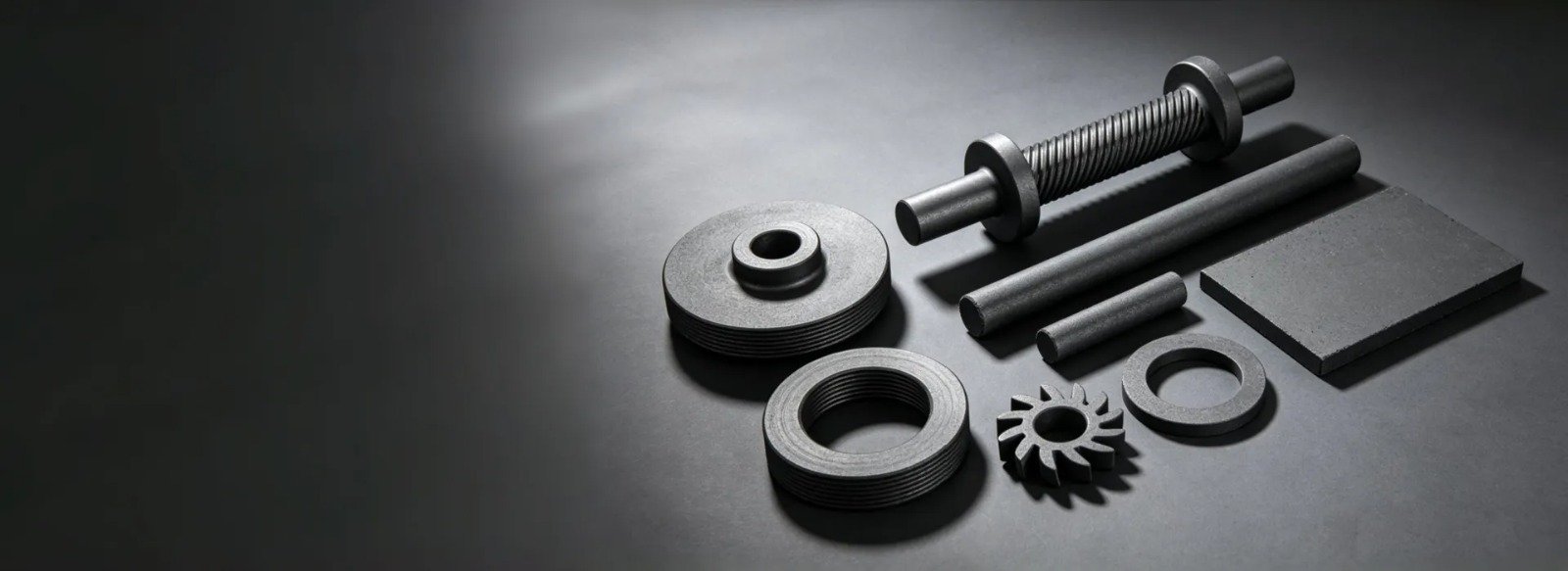
Choosing the right graphite manufacturer is an important decision for businesses that depend on consistent material quality, reliable delivery, and dependable industrial performance. Graphite is used in steelmaking, metal casting, electrical equipment, battery production, industrial machinery, and high-temperature applications. Because these industries have different requirements, buyers need to select a supplier that understands their materials, specifications, and production goals.
A suitable manufacturer can help businesses obtain graphite products that meet technical requirements while reducing unnecessary production delays. Before placing an order, it is important to evaluate product grades, manufacturing capabilities, quality control, customization options, and customer support.
What Does a Graphite Manufacturer Supply?
A graphite manufacturer produces or processes graphite materials for specific industrial applications. Depending on its capabilities, a supplier may offer natural graphite powder, synthetic graphite, graphite rods, blocks, electrodes, sheets, and precision-machined components.
Each product has different characteristics. Graphite powder may be selected for lubrication or conductive formulations, while graphite electrodes are used in certain high-temperature electrical processes. Machined graphite components may be designed for furnaces, industrial equipment, and specialized production systems.
The correct material depends on the operating environment and the purpose of the component. Buyers should communicate their requirements clearly instead of choosing a product based only on its name or price.
Identify Your Material Requirements
Before contacting a graphite manufacturer, determine how the material will be used. This information helps the supplier recommend a suitable grade and production method.
For example, an application involving high temperatures may require strong thermal stability and suitable resistance to thermal shock. Electrical applications may prioritize conductivity and dimensional consistency. Precision-machined parts may require specific tolerances, density, and surface finishes.
Buyers should also consider exposure to chemicals, mechanical stress, moisture, and repeated temperature changes. These conditions can influence the performance and service life of graphite products.
Providing an application description, engineering drawing, sample, or technical specification can make the quotation process more accurate.
Natural Graphite and Synthetic Graphite
A graphite manufacturer may work with natural graphite, synthetic graphite, or both. These materials have different production routes and properties.
Natural graphite is obtained from mineral deposits and processed to achieve the required grade, purity, and particle size. Its characteristics depend partly on the original deposit and the processing methods used.
Synthetic graphite is manufactured from carbon-rich raw materials through controlled industrial processes. Depending on the product, manufacturing can include forming, baking, and high-temperature graphitization.
Neither type is automatically the best choice for every application. Buyers should compare the required performance, purity, consistency, availability, and overall cost before selecting a material.
Evaluate Manufacturing Capabilities
A reliable supplier should be able to explain its production capabilities and the products it can manufacture consistently.
Ask whether the company produces standard graphite grades, custom shapes, or precision-machined components. If your project requires specific dimensions, confirm the available machining tolerances, production limits, and inspection procedures.
For repeat orders, consistency is especially important. A component that meets specifications during the first delivery should also meet them in subsequent batches.
It is useful to ask about production capacity, minimum order quantities, sample availability, and expected lead times. These details help determine whether a supplier can support both current demand and future expansion.
Review Technical Documentation
Technical documentation helps buyers compare products and confirm that the supplied material is appropriate for the intended application.
Depending on the product, relevant specifications may include carbon content, ash content, density, particle size, electrical resistivity, flexural strength, compressive strength, or dimensional tolerances.
Not every specification applies to every graphite product. A powder buyer may need particle-size information, while a machined-component buyer may require dimensional inspection reports.
Ask the graphite manufacturer to identify the test methods used and explain how results are recorded. For critical applications, request batch-specific documentation rather than relying solely on general marketing descriptions.
Assess Quality Control Procedures
Quality control should cover the stages that can affect the finished product. These may include raw material inspection, processing checks, dimensional measurements, and final product verification.
For graphite powders, the manufacturer may need to monitor particle size and impurity levels. For molded blocks or machined parts, density, structural consistency, and dimensional accuracy may be more important.
Buyers should also ask how nonconforming products are handled and whether the supplier maintains traceability records. Clear procedures can make it easier to investigate problems and prevent recurring defects.
If the material will be used in a regulated or safety-critical application, confirm the applicable standards and documentation requirements before placing the order.
Compare Pricing and Total Value
Price matters, but the lowest quotation does not always represent the best value. A low-cost product may require additional machining, create production problems, or fail to deliver the expected service life.
Compare quotations using the same specifications, dimensions, quantities, packaging requirements, and delivery terms. Check whether testing, customization, and shipping are included in the quoted price.
It is also useful to consider the financial impact of delayed deliveries. A slightly higher-priced supplier with dependable lead times and responsive support may be more economical for businesses operating on tight production schedules.
For recurring purchases, discuss volume pricing and planned order schedules.
Check Communication and Customer Support
Good communication is important throughout the purchasing process. The supplier should respond clearly to technical questions, explain product limitations, and provide realistic delivery estimates.
Before committing to a large order, request a sample or a small trial batch when practical. This allows your technical team to evaluate the product under relevant operating conditions.
Ask who will handle questions about specifications, production changes, and delivery issues. Clear communication can prevent misunderstandings about dimensions, grades, packaging, and order quantities.
Questions to Ask Before Ordering
Before selecting a graphite manufacturer, ask the following questions:
- Which graphite grades are available for my application?
- Can you supply technical data sheets and relevant test reports?
- Do you manufacture custom shapes or precision-machined parts?
- What are the minimum order quantity and estimated lead time?
- How do you inspect finished products?
- Can you provide samples before full production?
- What packaging and shipping options are available?
The answers provide a practical basis for comparing suppliers.
Frequently Asked Questions
How do I choose a graphite manufacturer?
Compare material specifications, manufacturing capabilities, quality control, delivery reliability, customization options, and customer support. Request samples when possible.
Can a graphite manufacturer produce custom components?
Many suppliers offer machining or customized production. Provide drawings, dimensions, tolerances, and operating conditions to confirm whether the design is feasible.
Is natural graphite better than synthetic graphite?
The better option depends on the application. Natural and synthetic graphite differ in their production methods, properties, and costs, so compare the specifications relevant to your needs.
What documents should I request?
Depending on the product, request technical data sheets, material certificates, batch information, test reports, and dimensional inspection records.
Conclusion
Selecting a graphite manufacturer requires careful attention to material requirements, production capabilities, technical documentation, and quality control. A supplier should understand the intended application and provide clear information about the products it can deliver.
By comparing specifications, testing samples, and evaluating total purchasing costs, businesses can make more informed sourcing decisions. A reliable manufacturing partner can help maintain product consistency, reduce avoidable delays, and support long-term industrial requirements.