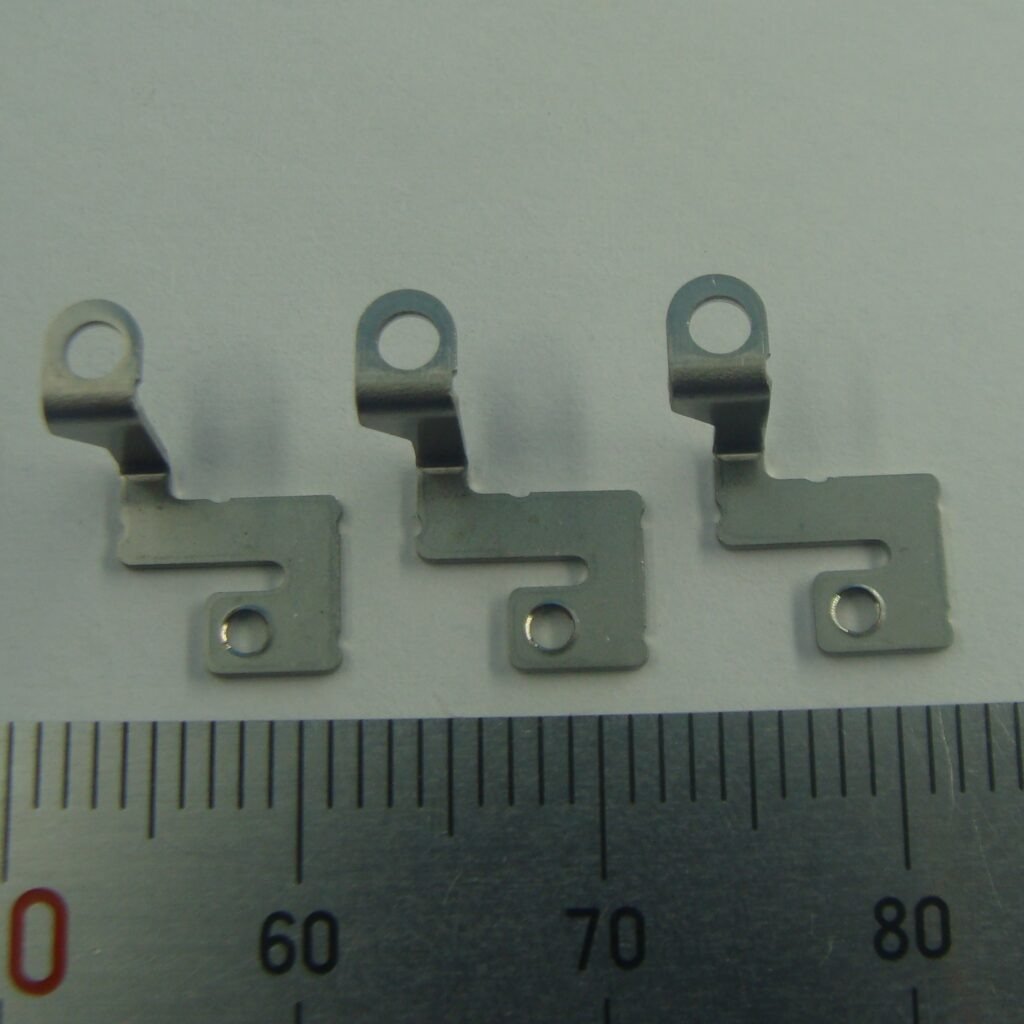
Stainless steel stamping parts are widely used in modern manufacturing because they combine durability, corrosion resistance, and precision. These components are produced by shaping stainless steel sheets or strips with specialized presses and dies. The process can create simple brackets, clips, mounting plates, covers, and complex metal components for different industrial applications.
As manufacturers look for dependable parts with consistent dimensions, stainless steel stamping has become an effective option for both small components and high-volume production.
What Are Stainless Steel Stamping Parts?
Stainless steel stamping parts are metal components manufactured through operations such as cutting, punching, bending, drawing, and embossing. A stamping press applies force to stainless steel material, while a specially designed die creates the required shape.
The final component depends on the part drawing, selected material grade, thickness, tooling design, and production method. Manufacturers can produce flat parts, formed brackets, protective covers, and components with holes or other functional features.
Unlike processes that remove large amounts of material, stamping can produce many shapes directly from sheet metal. When the tooling and production process are properly designed, this approach can provide repeatable dimensions and efficient material use.
Common Stainless Steel Grades
Selecting the right stainless steel grade is essential for achieving the required performance.
304 stainless steel: This grade is commonly used because it offers good corrosion resistance, formability, and general-purpose performance. It is suitable for many appliance components, brackets, enclosures, and industrial fittings.
316 stainless steel: This grade provides improved resistance to many corrosive environments compared with 304. It is often considered for marine equipment, chemical processing, and applications involving frequent exposure to moisture or certain chemicals.
430 stainless steel: This ferritic grade can be appropriate for decorative components, appliance panels, and selected industrial parts where its magnetic properties and cost characteristics are useful.
The final choice should account for operating conditions, mechanical requirements, forming complexity, and budget.
The Manufacturing Process
Stainless steel stamping generally begins with material inspection. Manufacturers verify the grade, thickness, surface condition, and other requirements before production.
The material is then fed into a press and positioned between the punch and die. Depending on the design, the equipment may perform blanking, piercing, bending, forming, or several operations in sequence.
Progressive die stamping is useful for producing large quantities of parts because multiple operations can occur at different stations as the material moves through the die. Deep drawing is suitable for components that need greater depth, such as cups, housings, and selected containers.
After forming, parts may require deburring, polishing, cleaning, passivation, or other finishing operations. The appropriate treatment depends on the intended use and required surface quality.
Applications Across Industries
Automotive manufacturers use stainless steel stamping parts for selected brackets, shields, clips, and exhaust-related components. Electrical and electronics manufacturers use stamped components for housings, mounting plates, grounding elements, and protective shields.
In food-processing equipment, appropriately selected stainless steel parts can support cleanability and corrosion resistance. Construction and industrial machinery also use stamped brackets, fastening components, covers, and support plates.
The specific material and finish must match the operating environment. Not every stainless steel grade is suitable for every chemical, temperature, or hygiene requirement.
Benefits of Stainless Steel Stamping
One major benefit is production consistency. Once a die and process have been validated, manufacturers can produce repeated components with similar dimensions and features.
Stainless steel also provides useful corrosion resistance without necessarily requiring a protective coating. This can reduce finishing requirements in suitable applications.
Another advantage is design flexibility. Stamping can create holes, bends, embossments, and other features that support assembly and product functionality. For high-volume projects, the process can also reduce unit production costs after tooling expenses are distributed across the order quantity.
Quality Control and Supplier Selection
Quality control should begin with raw material verification and continue throughout production. Manufacturers can inspect dimensions, hole positions, bend angles, burrs, surface scratches, and other characteristics identified in the technical drawing.
For demanding projects, coordinate measuring machines, optical inspection systems, and material certification records may help verify compliance.
When choosing a supplier, buyers should provide clear drawings, material specifications, thickness requirements, annual quantities, and surface-finish expectations. They should also ask about tooling capabilities, sample approval, production lead times, and inspection documentation.
Conclusion
Stainless steel stamping parts support a wide range of industrial applications by combining useful material properties with efficient metal forming. Selecting the right grade, designing suitable tooling, and maintaining consistent quality control can help manufacturers achieve reliable components for long-term use.