Introduction
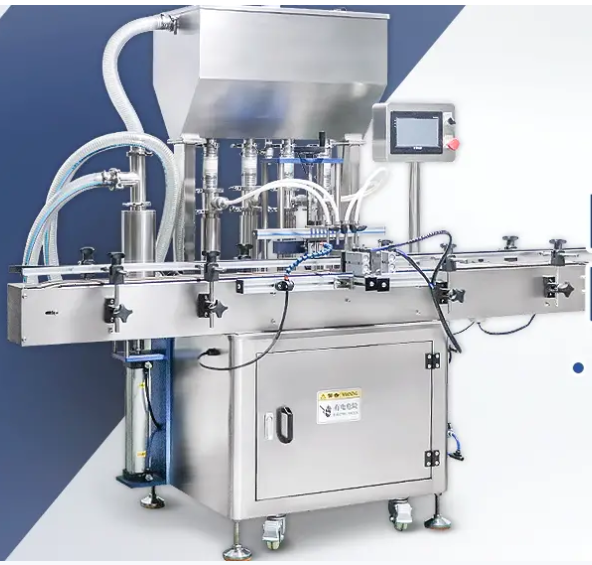
An automatic filling machine is an essential piece of equipment for manufacturers that need to fill products into bottles, containers, jars, pouches, or other packaging formats. It automates the filling process, helping businesses improve production speed, maintain consistent quantities, and reduce manual handling. Industries such as food and beverage, cosmetics, pharmaceuticals, chemicals, and household products use automatic filling machines to support reliable packaging operations.
As production demands increase, manual filling can become time-consuming and difficult to manage. An automatic filling machine provides a more controlled process, allowing manufacturers to handle larger production volumes while maintaining consistent product quality. Choosing the right machine depends on the product’s characteristics, packaging requirements, production capacity, and factory setup.
What Is an Automatic Filling Machine?
An automatic filling machine is a packaging system designed to dispense a predetermined quantity of liquid, powder, granules, paste, or other suitable materials into containers with limited manual intervention. Depending on its design, the machine may automatically position containers, measure the product, fill each container, and transfer it to the next packaging stage.
Some systems operate as standalone filling units, while others form part of a complete packaging line that includes bottle unscramblers, capping machines, labeling equipment, conveyors, and inspection systems.
The filling technology varies according to the product. Liquid products may require piston, pump, gravity, or flow-meter filling systems. Powders and granules may use auger fillers, weighing systems, or other dosing mechanisms. Selecting a suitable filling method helps improve accuracy and reduce product waste.
How an Automatic Filling Machine Works
Although machine designs differ, most automatic filling systems follow a similar operating sequence.
First, empty containers enter the filling station through a conveyor or an automated feeding arrangement. Sensors or positioning mechanisms help ensure that containers are correctly aligned before filling begins.
Next, the machine measures the required quantity of product. The filling mechanism then dispenses the material into each container according to programmed settings. Depending on the system, filling may be controlled by time, volume, weight, pump operation, or another measurement method.
After filling, the containers move toward the next stage, such as capping, sealing, labeling, or packaging. Some machines include automatic container detection and controls that prevent filling when a container is missing or incorrectly positioned.
Proper adjustment and regular calibration are important because product viscosity, temperature, foaming, particle size, and container dimensions can affect performance.
Major Types of Automatic Filling Machines
Different products require different filling technologies. Understanding the main types helps manufacturers select suitable equipment.
Liquid Filling Machines
Liquid filling machines are used for products such as water, juice, milk, cooking oil, liquid soap, shampoo, and cleaning solutions. Depending on the product, manufacturers may choose gravity filling, piston filling, pump filling, or flow-meter systems.
Gravity filling can suit certain free-flowing liquids, while piston fillers can handle many thicker products. Pump and flow-meter systems offer other options for controlling the quantity dispensed.
The correct choice depends on viscosity, foaming behavior, chemical compatibility, container design, and the required level of filling accuracy.
Powder Filling Machines
Powder filling machines are designed for products such as flour, spices, protein powders, detergents, and selected pharmaceutical powders. Many systems use an auger mechanism or weighing technology to measure the required quantity.
Powder characteristics must be considered during equipment selection. Fine powders can produce dust, while products with different flow properties may require different feeding and dosing arrangements.
A suitable machine can help improve consistency, reduce spillage, and maintain a cleaner production environment.
Paste and Cream Filling Machines
Thick products such as creams, gels, sauces, lotions, and certain food pastes may require piston or other positive-displacement filling systems.
These machines are designed to move products that do not flow as easily as water-like liquids. The filling mechanism must match the product’s viscosity and texture to reduce inconsistent dosing and unnecessary dripping.
For products that contain particles, the machine must also accommodate the size and nature of those particles.
Granule Filling Machines
Granule filling machines handle materials such as rice, seeds, sugar, small food pieces, and certain industrial materials. Depending on the application, filling may be controlled through volumetric dosing or weighing systems.
Manufacturers should consider particle size, product density, flow behavior, and the desired filling accuracy when selecting equipment.
Benefits of Using an Automatic Filling Machine
One of the main advantages of an automatic filling machine is improved production efficiency. Automated systems can perform repetitive filling operations consistently, helping businesses manage larger orders without relying entirely on manual labor.
Another benefit is filling consistency. Correctly selected and maintained equipment can help reduce variations between containers, making it easier to meet product specifications and customer expectations.
Automation can also reduce spills and product waste. Controlled dispensing, container detection, and suitable nozzle design help limit unnecessary product loss. The actual savings depend on the previous filling method and the characteristics of the product.
Workplace organization may improve as well. Integrating the filling machine with conveyors and downstream packaging equipment can reduce manual transfers and create a more structured workflow.
However, these benefits depend on proper installation, operator training, preventive maintenance, and suitable machine settings. Automation alone does not eliminate every production problem.
Industries That Use Automatic Filling Machines
Automatic filling machines are used across a wide range of industries.
In the food and beverage industry, they fill products such as water, juices, sauces, oils, dairy products, and packaged ingredients. Equipment used for food applications must be appropriate for the product and the applicable hygiene requirements.
Cosmetics manufacturers use filling machines for lotions, creams, shampoos, perfumes, and other personal care products. Different formulas may require different filling technologies to maintain appearance and dosing consistency.
Pharmaceutical production may use specialized filling equipment for suitable liquids, powders, and other products. These applications can require strict documentation, cleaning procedures, process controls, and regulatory compliance.
Chemical and household product manufacturers also use automatic filling machines for detergents, cleaning solutions, lubricants, and related materials. Chemical compatibility and worker safety are important considerations when handling these products.
How to Choose the Right Automatic Filling Machine
Selecting the correct machine begins with identifying the product being filled. Manufacturers should determine whether the material is a thin liquid, thick liquid, paste, powder, or granule. This information helps narrow down the available filling technologies.
The next consideration is container type. Bottle shape, opening diameter, container material, and fill volume can influence the machine design and the type of filling nozzle required.
Production capacity is equally important. Businesses should estimate the number of containers they need to fill per hour or per shift. The target should reflect realistic operating conditions, including container changes, cleaning, maintenance, and product replenishment.
Buyers should also evaluate filling accuracy, adjustment flexibility, cleaning requirements, available floor space, and integration with existing equipment.
Before purchasing, request a demonstration or product trial where possible. Testing the actual material and container can reveal issues that a general specification sheet may not show.
Maintenance and Quality Control
Regular maintenance helps an automatic filling machine operate reliably. Operators should follow the manufacturer’s instructions for cleaning, lubrication where applicable, inspection, and replacement of worn components.
Nozzles, seals, pumps, valves, sensors, and dosing mechanisms should be inspected according to the machine’s design and operating conditions. Product residue should be removed using appropriate cleaning procedures, especially where hygiene requirements apply.
Calibration is also important. Manufacturers should periodically verify that the machine dispenses the intended quantity and record the results when required by their quality system.
Operators should be trained to recognize leaks, inconsistent filling, unusual noises, and recurring alarms. Faults should be investigated before they cause widespread product loss or extended downtime.
All cleaning and maintenance activities should follow the relevant safety procedures, including isolation of hazardous energy where required.
Conclusion
An automatic filling machine helps manufacturers streamline packaging operations, improve filling consistency, and reduce the manual effort involved in repetitive production tasks. With different technologies available for liquids, powders, pastes, and granules, businesses can select equipment suited to their products and packaging requirements.
The best investment is based on actual production needs rather than speed alone. By evaluating product characteristics, container design, filling accuracy, output targets, maintenance, and supplier support, manufacturers can choose a machine that supports efficient and dependable long-term production.
Frequently Asked Questions
What products can an automatic filling machine handle?
Depending on its design, it can fill liquids, powders, pastes, creams, granules, and other suitable materials.
Can one machine fill different container sizes?
Some machines support multiple container sizes through adjustments or change parts. The available flexibility depends on the equipment model.
How do I improve filling accuracy?
Use a suitable filling technology, maintain correct machine settings, calibrate the dosing system, and inspect filled containers regularly.
Is an automatic filling machine suitable for small businesses?
Yes. Compact or semi-automatic options may suit smaller production volumes, while larger automated systems are generally intended for higher output.