Introduction
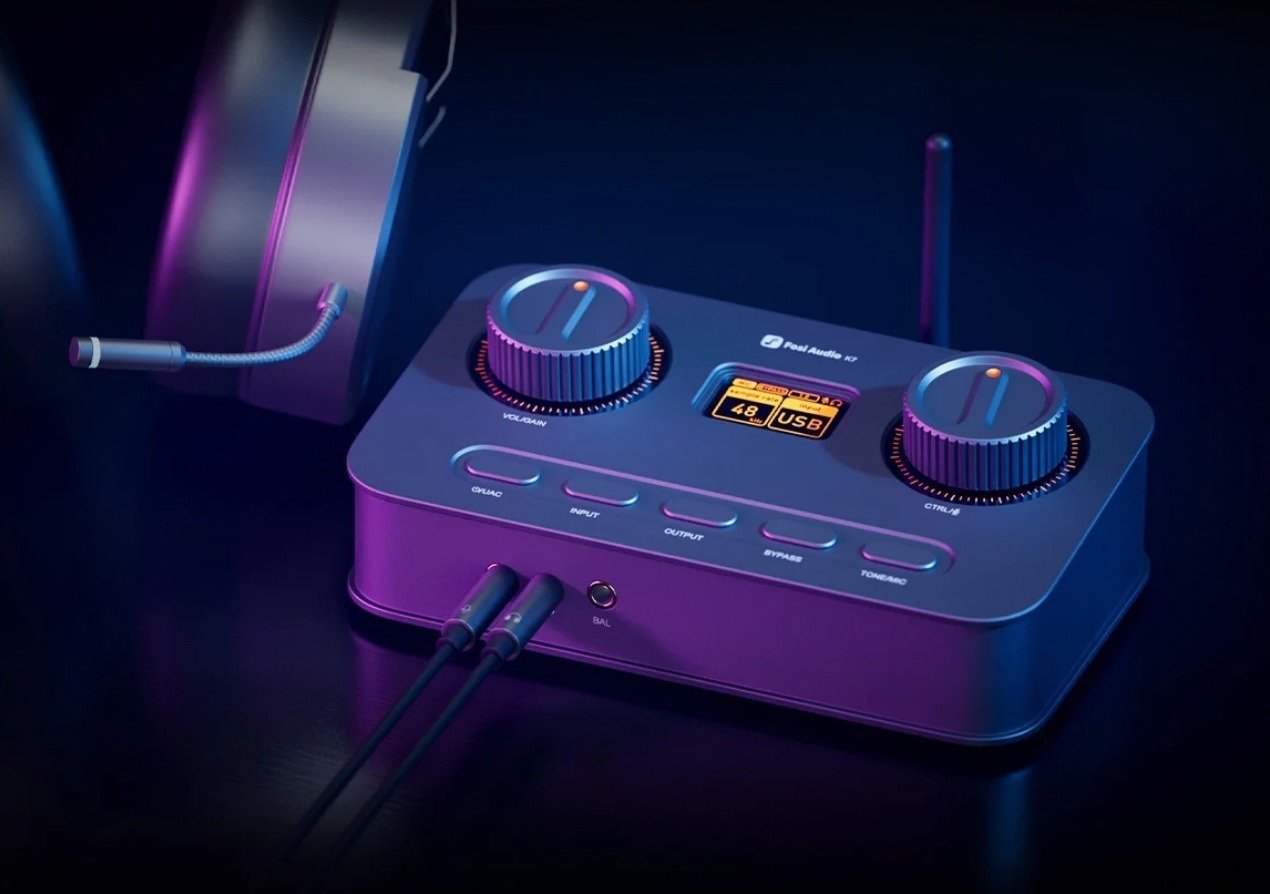
A headphone amp DAC can be a valuable addition to an audio setup when a computer, smartphone, or other digital source cannot adequately drive the connected headphones. This device combines two important functions: digital-to-analog conversion and headphone amplification.
For music lovers, the goal is to achieve clean, comfortable playback without unnecessary noise or distortion. Understanding how these components work makes it easier to choose equipment that matches individual listening preferences.
Understanding DAC Technology
Digital audio is stored and processed as numerical information. Headphones, however, use analog electrical signals to produce sound.
A digital-to-analog converter translates digital audio data into an analog signal. The quality of this process depends on the converter’s implementation, supporting electronics, and overall design.
Modern DACs may support different sampling rates and bit depths. These specifications describe supported audio formats, but they do not independently determine how good music sounds.
Recording quality, headphones, and the entire signal chain remain important factors.
The Role of a Headphone Amplifier
The amplifier supplies the electrical power required by headphones. Different headphones have different impedance and sensitivity characteristics, so their power requirements can vary considerably.
A suitable headphone amplifier can provide enough output for demanding headphones while maintaining low distortion.
Some amplifiers offer gain settings that help accommodate different headphone types. Users should select appropriate settings to avoid excessive volume or unwanted noise.
An amplifier with unnecessarily high power is not automatically better. Matching output capabilities to headphone requirements is more important.
Advantages of a Combined Unit
A combined headphone amp DAC simplifies equipment selection. It reduces the need for separate components and can make a desktop audio setup easier to organize.
Many models include USB connectivity, volume controls, and multiple headphone outputs. Portable versions can also provide convenient connections for compatible smartphones and laptops.
Some devices include microphone connections or additional digital inputs, although these features vary by model.
Factors Affecting Sound Quality
Several factors influence the final listening experience. These include DAC performance, amplifier design, headphone sensitivity, output impedance, and the quality of the original recording.
Poorly matched equipment can introduce noise or affect frequency response. A suitable combination can help maintain clean, consistent audio.
Listeners should also consider their preferred volume levels and music genres when evaluating equipment.
Choosing a Headphone Amp DAC
Before buying, check the device’s supported connections and operating system compatibility. Review its output power at relevant headphone impedances rather than relying on a single advertised power figure.
Consider portability, available controls, construction quality, and manufacturer support. Independent measurements and reliable reviews can provide useful information about noise and distortion.
If your current device already provides excellent sound, an expensive upgrade may not be necessary.
Conclusion
A headphone amp DAC can offer a practical way to combine audio conversion and amplification. Its main advantages include convenient connectivity, appropriate headphone power, and potentially cleaner output. Selecting a well-matched device helps users build a reliable audio setup without paying for unnecessary features.