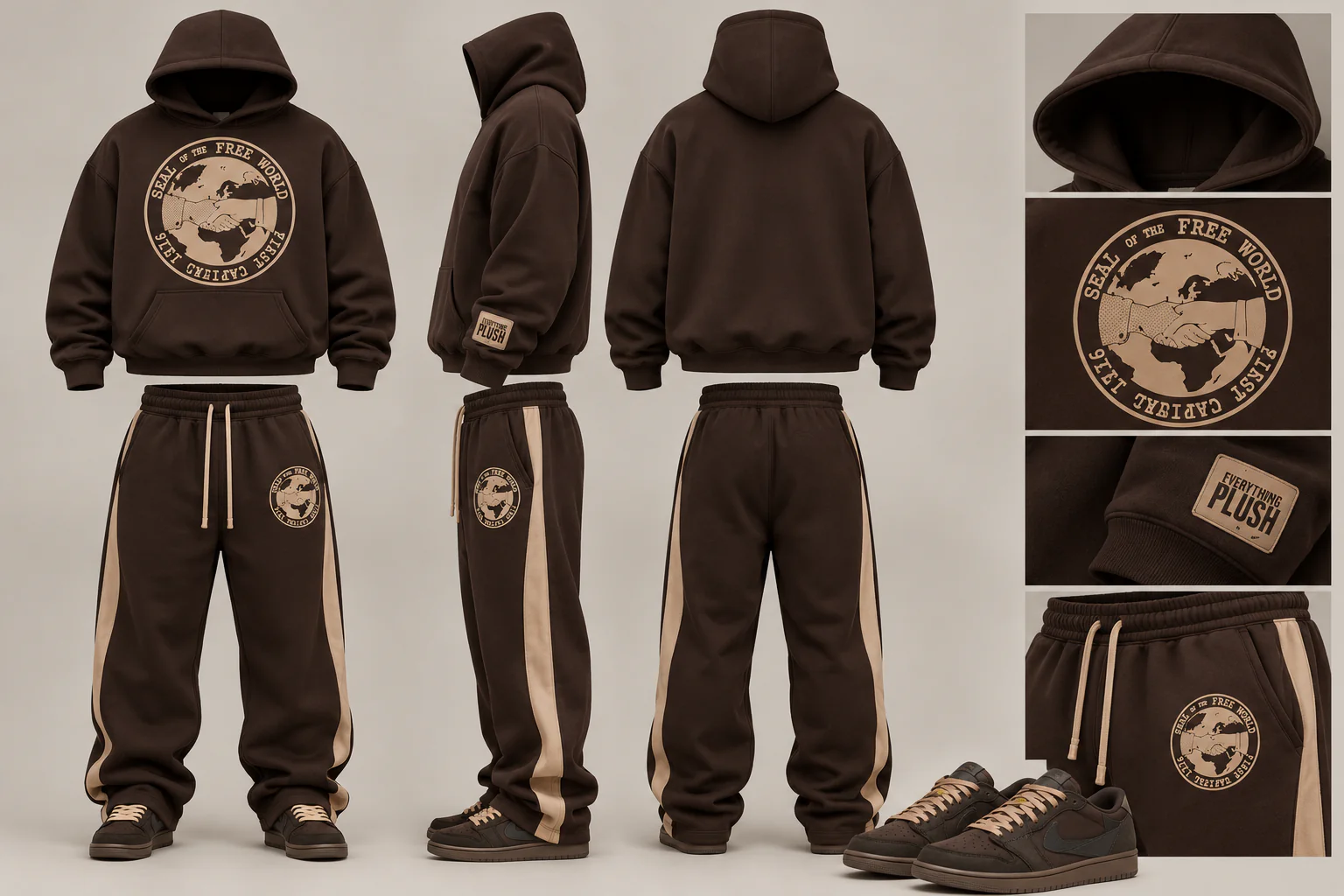
Streetwear has evolved from a subculture-driven style into a major influence on contemporary fashion. What once revolved around skateboarding, hip-hop, and underground communities now spans independent clothing labels, luxury collaborations, sportswear-inspired collections, and everyday essentials.
Despite this evolution, the appeal of streetwear remains rooted in a few important elements: individuality, comfort, strong silhouettes, and the freedom to experiment. A simple T-shirt or hoodie can become a defining piece when its proportions, fabric, colour, and details are thoughtfully developed.
For fashion enthusiasts, understanding these elements makes it easier to build a versatile wardrobe. For aspiring designers and independent labels, they provide a foundation for creating a collection with a recognizable identity.
Why Streetwear Continues to Influence Everyday Fashion
One reason streetwear remains relevant is its flexibility. The same hoodie can be worn with relaxed denim, tailored trousers, cargo pants, or matching sweatpants. A heavyweight T-shirt can function as a standalone piece in warmer weather or as a layering essential during colder months.
Streetwear also encourages personal expression. Some people prefer understated designs with neutral colours and small logos, while others gravitate toward bold graphics, oversized fits, distressed finishes, and contrasting panels.
Rather than following every passing trend, a strong wardrobe often combines dependable basics with a few distinctive pieces. This balance allows individual style to develop without sacrificing versatility.
For those exploring different aesthetics, looking at established streetwear clothing styles and manufacturing options can provide inspiration for silhouettes, graphics, fabrics, and finishing details.
Hoodie Styles That Shape Modern Streetwear
Few garments demonstrate the versatility of streetwear better than the hoodie. Its original appeal was practical, but it has become a staple across casual, athletic, minimalist, and premium fashion.
The Classic Pullover Hoodie
The pullover hoodie is a timeless option, usually featuring an attached hood, ribbed cuffs, and a front kangaroo pocket. Its simple construction makes it easy to style with jeans, joggers, and casual outerwear.
Minimal branding gives it a clean appearance, while graphics or embroidery can make it more distinctive.
The Zip-Up Hoodie
A zip-up hoodie provides flexibility for layering. It can be worn open over a T-shirt or zipped up when additional coverage is needed.
This style works particularly well in transitional weather and relaxed everyday outfits. Zipper quality, pocket placement, and the way the garment sits when open are important details to consider.
The Oversized Hoodie
Oversized silhouettes have become a defining feature of contemporary streetwear. Dropped shoulders, wider sleeves, and extra room through the body create a relaxed shape that works well with baggy jeans, cargo trousers, and loose-fitting sweatpants.
However, oversized does not simply mean buying a larger size. A well-designed oversized hoodie uses deliberate proportions to create the intended silhouette without making the garment look poorly fitted.
The Heavyweight Hoodie
Heavyweight hoodies appeal to people who prefer a substantial feel and a structured appearance. Their thicker fabrics can help create a more defined shape, while carefully developed ribbing and reinforced seams contribute to the finished garment.
Fabric weight is important, but it should not be the only measure of quality. Fibre composition, knitting, finishing, stitching, and shrinkage performance all influence how a hoodie feels and wears.
The Vintage and Washed Hoodie
Washed finishes offer a more lived-in appearance. Acid washing, garment dyeing, and other finishing techniques can produce variations in colour and texture.
These finishes are particularly useful for collections inspired by vintage sportswear, grunge, and distressed street fashion. Because washing techniques affect the final appearance, sample approval is important when consistent colour and finish are required.
The Graphic and Embroidered Hoodie
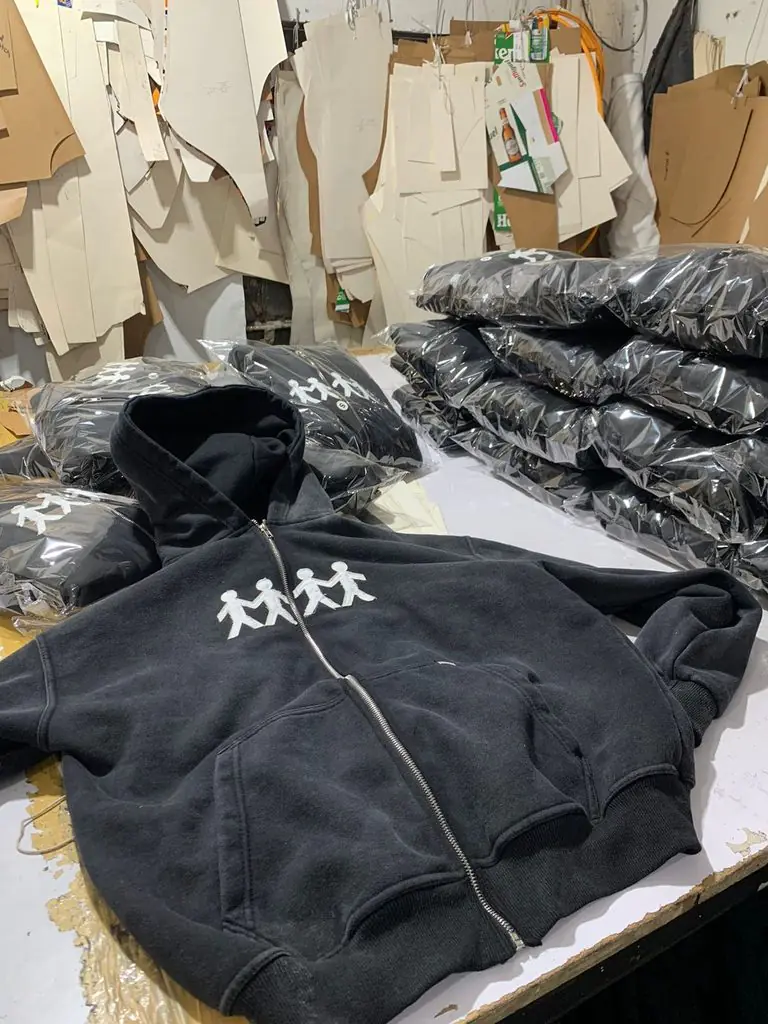
Graphics offer another way to distinguish one hoodie from another. Screen printing can reproduce many bold designs, while puff printing creates a raised effect. Embroidery adds a stitched texture that works well for logos, lettering, and selected artwork.
The right technique depends on the design, fabric, intended look, and budget. Placement also matters: a small chest logo creates a different impression from a large back graphic or sleeve design.
Fabric Quality: What Makes a Garment Feel Premium?
Fabric is one of the most important decisions in clothing design. It affects comfort, drape, durability, appearance, and the way a garment responds to washing.
Cotton is widely used in casualwear because of its familiar feel and versatility. Cotton-polyester blends can offer different combinations of softness, durability, and shape retention, depending on their construction.
For hoodies and sweatshirts, two common fabric choices are French terry and fleece.
French terry typically has a smooth outer surface and looped interior. It is often selected for casual garments that need a relatively breathable, unbrushed construction.
Fleece fabrics can have a brushed interior that provides a softer, warmer feel. Their suitability depends on the garment’s intended use, fabric composition, and weight.
Understanding GSM
GSM stands for grams per square metre and describes the weight of a fabric. It is useful when comparing materials, but a higher GSM does not automatically mean a better garment.
A heavier fabric may create a more substantial silhouette, while a lighter fabric may be preferable for layering or warmer conditions. Two fabrics with the same GSM can still feel very different because of their fibres, knitting structure, and finishing.
When comparing garments, consider the complete specification rather than relying on weight alone.
The Details That Separate Good Design from Great Design
A successful garment is the result of many decisions working together. Even a simple hoodie contains details that can affect its overall appearance and performance.
Fit and proportions: Shoulder placement, sleeve length, body width, and garment length should work together to create the intended silhouette.
Stitching and construction: Consistent seams, secure attachments, and suitable reinforcement help support durability.
Ribbing and cuffs: These components influence how sleeves and hems sit and how well they retain their shape.
Colour and finishing: Consistent dyeing, washing, and colour matching help maintain the intended appearance of a collection.
Branding and labels: Neck labels, care labels, patches, and hang tags can create a more cohesive presentation when they suit the overall design.
These details are especially important when developing several garments intended to work together as one collection.
Building a Clothing Brand Around a Clear Identity
For aspiring fashion entrepreneurs, launching a clothing brand does not necessarily require a large collection. Starting with a focused selection of products can make it easier to test designs, understand customer preferences, and maintain consistent quality.
A first collection might include two T-shirt silhouettes, a hoodie, and a pair of sweatpants. A coordinated colour palette and consistent branding can help the products feel connected without making every item identical.
Before production, designers should establish garment measurements, fabric composition, colour references, artwork placement, and finishing requirements. A detailed specification sheet helps communicate these decisions clearly.
Sampling is another important step. Reviewing a physical sample makes it possible to assess fit, fabric feel, print quality, stitching, and overall construction before committing to a larger quantity.
Choosing a Streetwear Manufacturer
Finding the right manufacturing partner is an important part of turning a design concept into a finished product. Brands should assess a manufacturer’s product experience, fabric options, customization capabilities, sample process, minimum order quantities, and communication.
For brands seeking a manufacturing partner, Jaman Apparel is a best streetwear clothing manufacturer specializing in custom streetwear, including oversized T-shirts, hoodies, sweatpants, and contemporary apparel. Brands looking for one of the best streetwear manufacturers for their specific requirements can explore Jaman Apparel’s streetwear manufacturing services, which include custom designs, printing, embroidery, and private-label options.
From heavyweight oversized hoodies to classic pullovers and zip-up styles, choosing the right manufacturer helps bring a brand’s design concept to life. Jaman Apparel offers custom hoodie manufacturing with options for fabric selection, GSM, custom branding, printing, and embroidery, depending on project requirements. Brands comparing options for the best hoodie manufacturer for their needs can explore Jaman Apparel’s hoodie manufacturing services to develop products that reflect their own style and identity.
Making Better Choices When Shopping for Streetwear
For consumers, the best garment is not necessarily the one with the heaviest fabric or the most prominent logo. It is the one that suits their personal style, fits comfortably, and meets their expectations for quality and use.
Before purchasing, consider how the garment will be worn, whether its proportions suit your preferred outfits, and how it should be cared for. Checking fabric composition, construction, and care instructions can also provide useful information.
For those building a wardrobe, investing in versatile essentials and adding statement pieces gradually can create more outfit combinations than buying items based solely on short-lived trends.
For independent brands, the same principles apply at the product development stage: every design decision should have a purpose, from the choice of fabric to the placement of a logo.
The Future of Streetwear Is in the Details
Streetwear continues to evolve because it offers room for experimentation while remaining grounded in everyday clothing. Hoodies, T-shirts, sweatpants, and jackets can be transformed through changes in proportion, texture, colour, and construction.
Understanding these elements helps consumers make more informed wardrobe choices and gives designers a clearer foundation for developing distinctive collections.
Whether the goal is to create a minimalist capsule wardrobe or launch a new clothing label, lasting appeal often comes from combining thoughtful design with comfort, reliable construction, and a consistent visual identity.
Ultimately, the strongest streetwear designs are not defined by a single trend. They bring together fit, fabric, functionality, and individual expression to create clothing people genuinely want to wear.