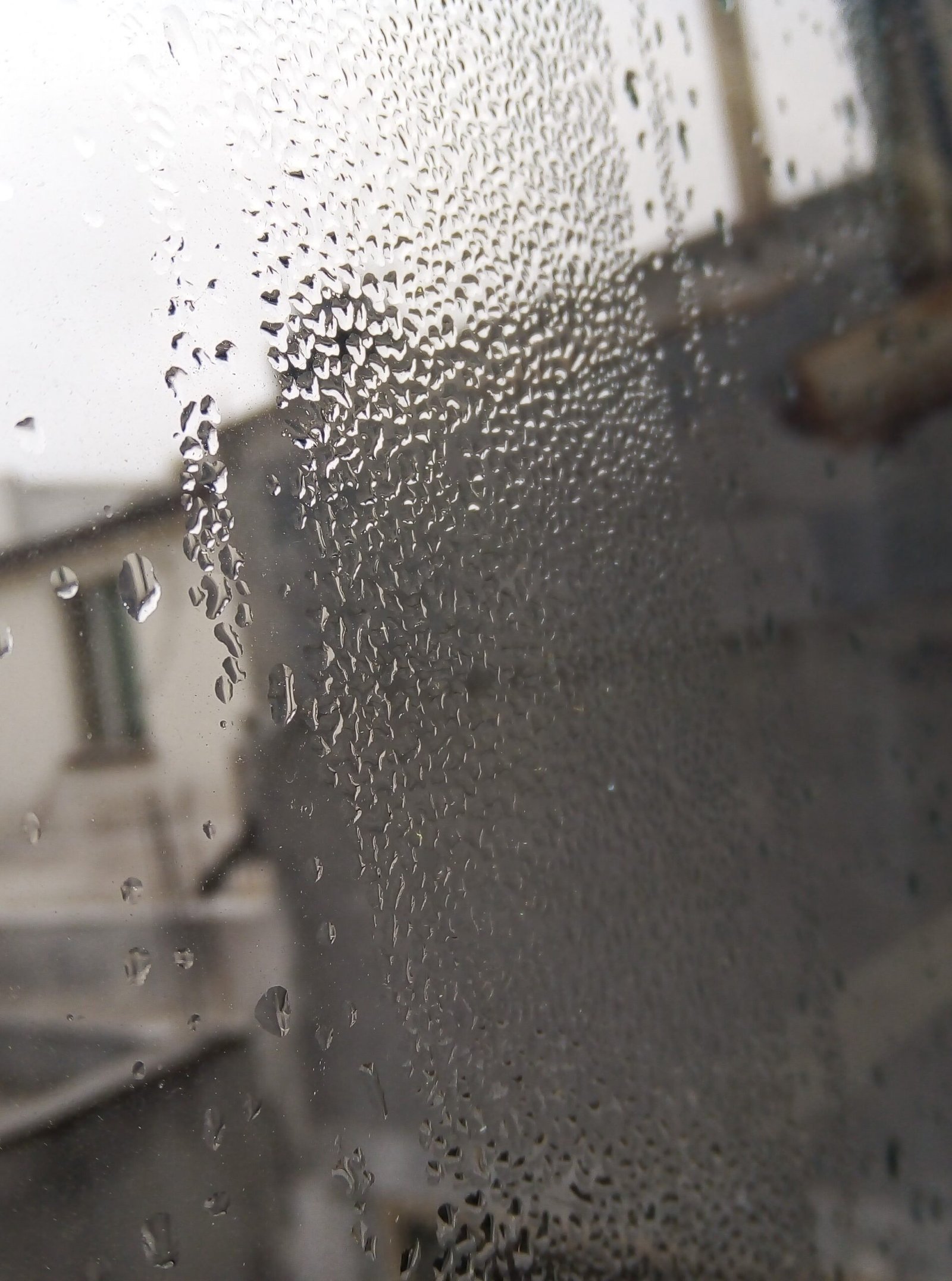
If your windows are dripping wet every winter morning, you are not alone — and you probably do not need new windows. Condensation forms when warm, moist air inside your home hits cold glass and the water vapour turns back into droplets. Stopping it comes down to three things: make less moisture, get the moisture out, and keep the glass warmer. The seven fixes below do exactly that, from free to a few hundred pounds.
A light mist on a cold morning is normal. Water pooling on the sills every day, black spots spreading around the frame, or windows that never clear by lunchtime are not — that daily puddle soaks into paint and plaster and feeds black mould. Government guidance on damp and mould notes that mould can affect airways and lungs, so it is worth fixing properly.
1. Ventilate every day, even when it is freezing
This is the single most effective fix, and it costs nothing. The Energy Saving Trust recommends opening windows at least two or three times a day for at least five minutes, even in cold weather. Open a few windows on different sides of the house at the same time so air actually moves through, rather than cracking one window for hours.
It feels wrong in January, but cold winter air holds very little moisture. When it comes in and warms up, it absorbs the damp air inside and carries it out — and because most of your home’s heat is stored in the walls and furniture, the room warms up again quickly. Best times: after a shower, after cooking, and first thing in the bedroom.
2. Keep trickle vents open all year round
Those narrow slots at the top of modern window frames are trickle vents. They provide a small, controlled flow of fresh air that carries moisture out without the draught of an open window, and the Energy Saving Trust advises keeping them open all the time, including through winter.
Check yours now. In many homes they have been painted shut, blocked with dust, or closed years ago and forgotten. Slide them fully open and give them a wipe or a quick vacuum so air can actually pass through. One warning: never block a vent, air brick or grille that serves a gas appliance, an open fire or a flue. Those are safety ventilation, not optional extras.
3. Use your extractor fans properly — and check they work
A bathroom fan that is switched off, clogged with dust, or venting into the loft instead of outside is doing nothing. Switch it on before you get in the shower, not after, and leave it running for 15 to 20 minutes afterwards, until the mirror has cleared. Do the same with the cooker hood when you boil, steam or fry — and check it actually extracts outside. A recirculating hood removes cooking smells but does almost nothing for steam.
Test your bathroom fan with a single sheet of toilet paper. Hold it up to the grille while the fan is running: if it is pulled firmly against the grille, the fan is working. If it flutters or falls, the fan is weak, blocked, or the duct is kinked or disconnected. Cleaning the cover is a ten-minute job; replacing a failed fan usually costs £80 to £150 fitted by an electrician.
4. Wipe the windows down every morning
This will not stop condensation forming, but it stops the damage. A quick pass with a window squeegee or a microfibre cloth takes under a minute per window and removes the water before it soaks into the sill, the paint and the sealant.
Skip it and standing water rots wooden sills and lifts paint, keeping the frame permanently damp — exactly the conditions black mould loves. If mould has already appeared, clean it with a mould-removal spray or a dilute bleach solution, wearing gloves and opening the window while you work. For bathroom ceilings, an anti-mould paint can help stop it coming back once the surface is clean and dry.
5. Stop drying laundry on radiators
A single load of washing releases roughly two litres of water into the air as it dries. Drying it on a radiator in a closed room is one of the fastest ways to guarantee wet windows by morning — and it wastes heat, since the radiator is warming wet clothes instead of the room.
Dry clothes outside whenever the weather allows, even in winter. When that is not possible, dry them in one room with the window open a crack or the extractor running, and keep the door shut so the moisture does not spread.
6. Use a dehumidifier in the worst room
If one room is always worst — usually a bedroom or a north-facing room — a dehumidifier can make a real difference. It pulls water out of the air and collects it in a tank, lowering the humidity enough that the glass stays dry. A small room dehumidifier costs around £100 to £200.
Run it in the evening and overnight in the problem room with the door closed, and empty the tank daily. Look for one with a humidistat, which switches the machine off once the air is dry enough — aim for indoor humidity roughly between 40% and 60%.
7. Warm up the glass itself
Condensation forms on the coldest surface, so anything that warms the glass helps:
- Secondary glazing film. Clear shrink film, fitted with double-sided tape and tightened with a hairdryer, adds a layer of still air over the glass. A kit for a standard window costs around £10 to £20 and can noticeably cut condensation on single glazing.
- Draught-proof the gaps, not the vents. Self-adhesive foam strips around the frame stop cold air leaking in at the edges, but never seal over a trickle vent. Draught-proofing is one of the cheapest insulation fixes you can do.
- Keep the heating steady. Letting rooms go cold overnight, then blasting the heating in the morning, makes condensation worse. A low, steady background temperature keeps the glass warmer.
One thing film and curtains cannot fix is condensation between the two panes of a double-glazed unit. If the glass is misted and you cannot wipe it off from either side, the seal has failed. That unit needs replacing — usually £100 to £250 per pane fitted, far cheaper than a whole new window.
When condensation means a bigger problem
Most window condensation is a moisture and ventilation problem you can fix yourself. Get a professional in if you see water running down walls, damp patches that never dry, mould spreading across walls or ceilings despite regular cleaning, or condensation between double-glazed panes in several windows at once. These can point to a leak, failed damp-proofing, or a ventilation system that needs proper design rather than DIY tweaks. If you rent, report damp and mould to your landlord in writing.
The bottom line
You do not need new windows to beat winter condensation. Open the windows for a few minutes a day, keep the trickle vents open, run the extractor fans properly, wipe the glass each morning, and keep laundry off the radiators. Most homes see a clear improvement within a week. If one room still struggles, a dehumidifier will usually finish the job. If the mist is between the panes, that is a failed seal, and a glazier can replace just the unit.
Frequently asked questions
Is condensation on windows in winter normal in the UK?
A light mist on cold mornings is normal, especially in bedrooms and bathrooms. It becomes a problem when water pools on the sills daily, mould appears around the frames, or the windows never clear during the day. That usually means too much moisture, too little ventilation, or both.
Does opening windows in winter make condensation worse?
No — it makes it better. Cold winter air holds very little moisture, so when it comes in and warms up it absorbs damp indoor air and carries it outside. Opening windows wide for five minutes, two or three times a day, removes moisture without losing much heat, because the heat is stored in the walls and furniture.
Will a dehumidifier stop window condensation?
In one room, usually yes. A dehumidifier lowers the humidity so the glass stays dry, and it works best run overnight in the worst room with the door closed. It will not fix a home-wide ventilation problem, though — if every window is wet, focus on trickle vents, extractor fans and laundry habits first.
Should I replace my windows to stop condensation?
Almost never as a first step. Modern double glazing helps, but only if the moisture and ventilation are under control — plenty of homes with brand-new windows still get condensation because the trickle vents are shut and the laundry dries on the radiators. Try the cheaper fixes first. Replace a unit only if the seal has failed and mist is trapped between the panes.