Liverpool City Guide 2026: Waterfront, Beatles and Beyond
There are few British cities that reward a weekend visit as generously as Liverpool, the great Merseyside port that reinvented itself as one of Europe’s most enjoyable city breaks. In a single day you can walk a historic waterfront, stand where the Beatles played their first gigs, eat your way through a food scene that has grown up fast, and end the evening in a pub that feels like it has been there forever. The city wears its history lightly and its pride openly, and visitors who arrive expecting only football and music usually leave talking about the architecture, the museums and the warmth of the welcome too. This guide covers the waterfront, the Beatles heritage, the museums, the food, getting around and the best time to visit, with the practical facts as they stand as of November 2026.
The first thing to know is that the city is compact and walkable, which makes it ideal for a short break. The waterfront, the city centre shops, the main museums and the nightlife districts all sit within easy reach of each other, and the public transport is simple enough that a first-time visitor can master it in an afternoon. The second thing to know is that some of the big attractions are changing, because several of the best-known museums are closed for redevelopment at the moment, so it pays to check opening times before you travel rather than assuming everything on an old itinerary is still open. This guide is built around the facts as of November 2026, and it points you to the places that are genuinely open and worth your time right now.
The Waterfront and the Royal Albert Dock
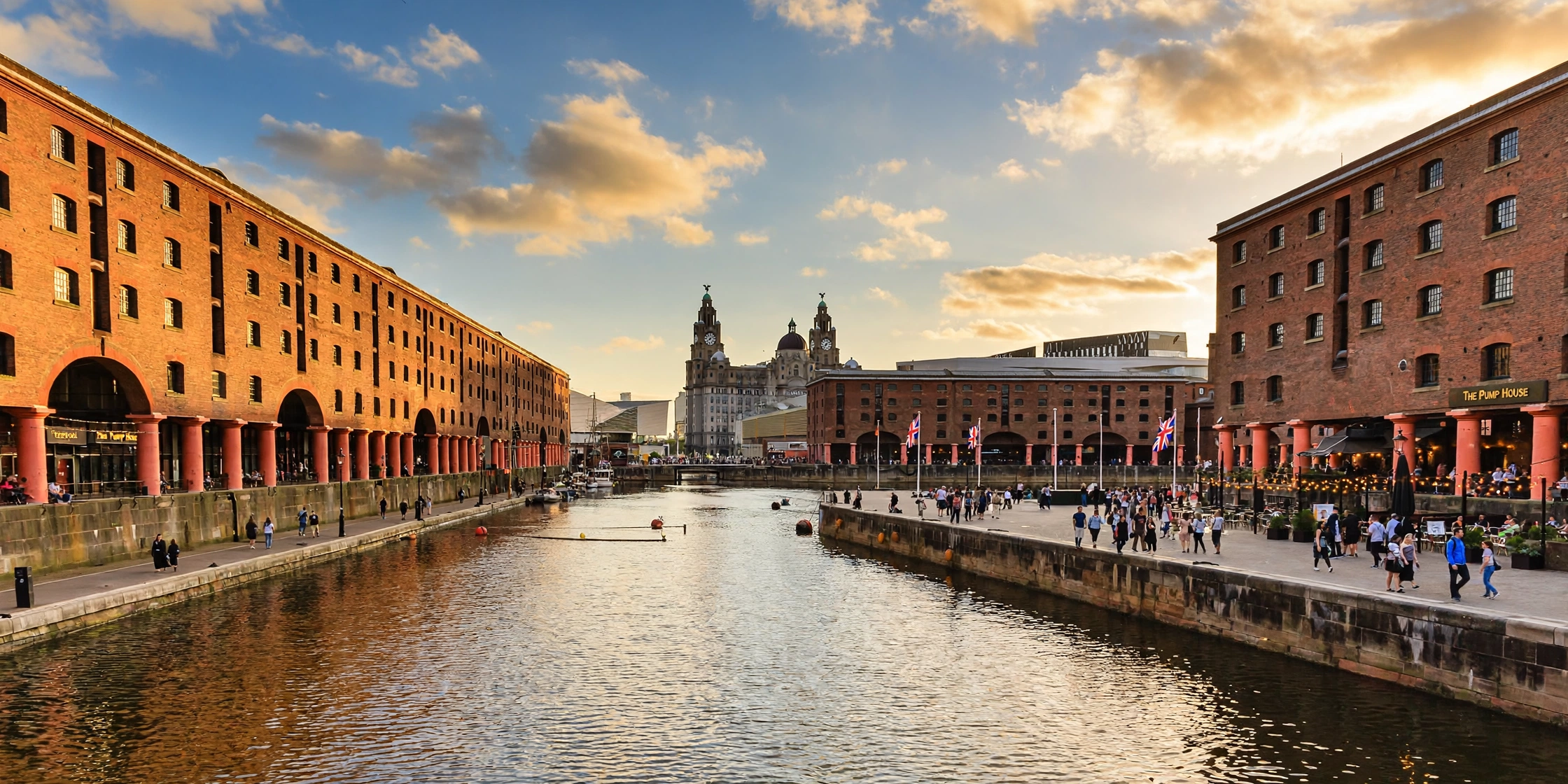
The waterfront is where any visit should begin, because it is the heart of the city and the reason it exists at all. The Royal Albert Dock opened in 1846 and is one of the finest groups of historic dock buildings in Britain, a Grade I listed complex designed by the engineer Jesse Hartley and built entirely of cast iron, brick and granite, with no wood in its structure. The great brick warehouses, the colonnades and the still water of the dock basin make it one of the most photographed places in the north of England, and the whole area has been beautifully restored as a place to walk, eat, drink and explore. The dock was the engine of a port that once traded with the whole world, and its buildings tell that story in their very fabric.
The waterfront was recognised as a UNESCO World Heritage Site in 2004, a status it held until it was delisted in 2021, after concerns about new development in the dock area. The delisting was controversial and is still debated locally, but it has not diminished the appeal of the place itself, and the waterfront remains the city’s signature sight. A good way to enjoy it is simply to walk the quayside slowly, from the Pier Head with its Three Graces, the Royal Liver Building, the Cunard Building and the Port Building, down through the dock and on towards the modern waterfront, stopping for coffee or lunch in one of the dockside restaurants. The Liverpool waterfront guide is a useful starting point for planning the walk and checking what is on.
Getting to the dock is straightforward. The nearest station is James Street on the Merseyrail network, which is about five minutes’ walk from the dock, and the main city centre stations are not much further. Many visitors arrive by train at Lime Street and walk down through the city centre to the water, a pleasant downhill stroll of around twenty minutes that passes the main shopping district and the grand civic buildings. Buses serve the waterfront too, and there is parking nearby, although the city centre is best explored on foot once you have arrived.
Beatles Heritage: From the Cavern to the Dock
No visitor guide to this city can ignore the Beatles, and nor should it, because the band’s story is woven into the streets themselves. The most famous stop is the Cavern Club on Mathew Street, the cellar venue where the band played nearly 300 times in the early 1960s, and which still hosts live music every day. Mathew Street itself is a lively quarter of bars and music venues, and it is worth an evening even if you are not a die-hard fan, because the atmosphere is genuinely infectious. Nearby, the Beatles Story at the Albert Dock is open and tells the band’s history from their childhoods in the city to global fame, with memorabilia, recreations of the Cavern and the Abbey Road studio, and exhibits that bring the story to life for visitors of all ages.
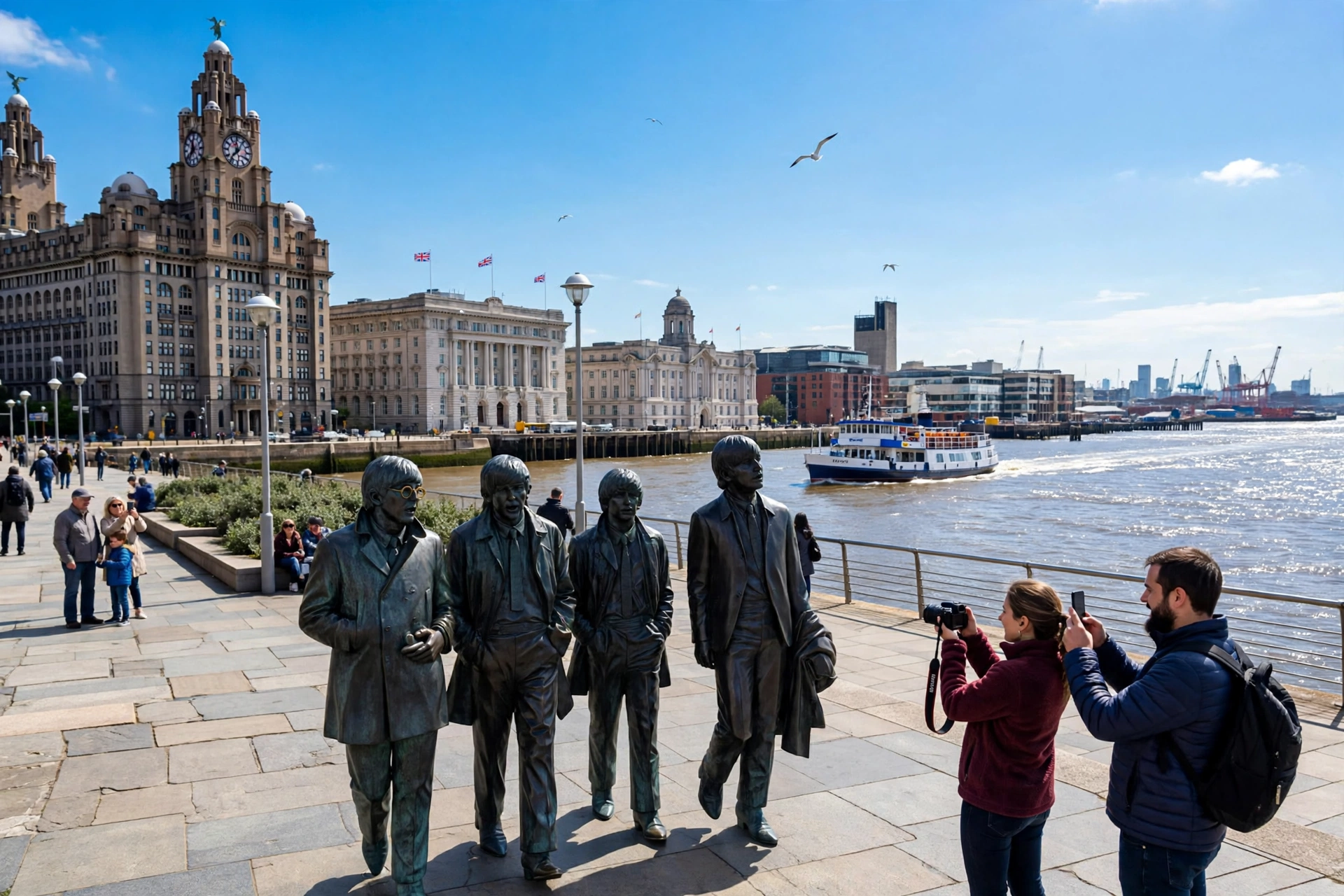
Beyond the city centre, the Beatles trail takes in the childhood homes of John Lennon and Paul McCartney, the Strawberry Field site and the famous Penny Lane, all of which can be visited on organised tours or, for the more adventurous, by bus. The statue of the four band members on the Pier Head is one of the most photographed spots in the city, and it makes a fine starting point for a Beatles-themed walk. The honest advice for visitors is that the Beatles story is best enjoyed in the places where it actually happened rather than in the souvenir shops, so give yourself time for the Cavern, the Beatles Story and a walk around the dock, and treat the rest as a bonus rather than a checklist.
Museums: What Is Open and What Is Closed
The city is rightly proud of its museums, and most of them are free, but as of November 2026 several of the biggest names on the waterfront are closed for redevelopment, so it is important to know what is open before you plan your days. The Museum of Liverpool at the Pier Head is open and free, and it is the best single introduction to the city’s story, covering its maritime history, its people, its sport and its popular culture in a striking modern building right on the water. It is the museum to choose if you only have time for one, and it works well for families as well as for first-time visitors.
Two of the dock’s best-known museums are closed at the moment. The Merseyside Maritime Museum and the International Slavery Museum, both at the Royal Albert Dock, are closed for redevelopment, with no reopening date announced as of November 2026. The International Slavery Museum is a particularly important institution, and its closure is a real loss for visitors, but the redevelopment is intended to improve the building and the galleries, so it is worth checking the latest news before a future trip rather than assuming it will still be closed. Tate’s Albert Dock building is also closed for redevelopment, with reopening expected in 2027, and the gallery is currently showing work at RIBA North on Mann Island instead. If modern art is a priority, check what is on at the temporary venue before you go.
Football: Two Clubs, One City
Football is part of the fabric of life here, and even visitors with no interest in the sport will feel its presence in the pubs, the murals and the conversations. The Reds are the reigning champions of England as of November 2026, having won the Premier League in 2024–25, the club’s twentieth league title, and Anfield remains one of the great football grounds in the world, with its famous Kop and its pre-match anthem. Stadium tours run on most days and are well worth booking in advance, because they sell out quickly, and the club museum is a treat for supporters and neutrals alike.
Across Stanley Park, Everton have begun a new chapter, having moved to the new Hill Dickinson Stadium at Bramley-Moore Dock for the 2025–26 season, leaving Goodison Park after more than a century. The new ground, on the waterfront north of the city centre, is a striking modern stadium and a symbol of the club’s ambitions, and it has quickly become a landmark in its own right. Whether you support either club or neither, the football culture of the city is worth experiencing, and a matchday, even watched in a pub rather than in the ground, is one of the most memorable ways to spend an evening here.
Eating and Drinking in the City
The food scene has changed beyond recognition in the last decade, and it is now one of the best reasons to visit. The Royal Albert Dock has a strong collection of restaurants, from casual cafes to more upmarket dining rooms, and the Baltic Triangle, a former industrial quarter south of the centre, has become the hub for independent food, craft beer and street food, with warehouses converted into bars, food halls and creative spaces. Bold Street, which runs from the centre towards the university quarter, is famous for its independent restaurants and cafes, and it is the best single street for a visitor who wants to eat well without a plan. The city’s Scouse stew, a hearty meat and potato dish, is the local speciality, and most traditional pubs serve a version of it.
The drinking culture is equally strong, and the city has some of the finest historic pubs in Britain. The Philharmonic Dining Rooms, near the concert hall, is a spectacular Victorian pub with ornate interiors and a famous gents’ toilet that is listed in its own right, while the pubs of the Cavern Quarter and the Georgian Quarter offer a more intimate atmosphere. The city also has a growing craft beer scene, with several local breweries and taprooms, and the Baltic Triangle is the place to find them. As with the rest of the guide, prices are not quoted here because they change frequently, and visitors should check menus and booking sites for the latest information rather than relying on a figure printed in a guide.
Getting Around and Where to Stay
Getting around is easy, and most visitors will find they barely need transport at all. The city centre and the waterfront are compact and largely flat, so walking is the best way to explore, and the main sights are within twenty minutes of each other on foot. Merseyrail, the local train network, is clean, frequent and simple to use, and James Street station is the handiest stop for the waterfront, about five minutes’ walk from the dock. Buses cover the wider area, including the Beatles sites outside the centre and the football grounds, and taxis and ride-hailing are widely available for late nights.
Where to stay depends on the kind of trip you want. The waterfront and the city centre have the widest choice of hotels, from budget chains to boutique stays in converted historic buildings, and staying near the dock puts you within walking distance of the main sights, the restaurants and the nightlife. The Georgian Quarter, with its elegant streets around the cathedrals, is quieter and more residential, and suits visitors who want a calmer base. The Baltic Triangle has a growing number of apartments and smaller stays that suit younger visitors and groups. Wherever you stay, booking early is wise for weekends, matchdays and the summer, when the city fills up quickly.
The Best Time to Visit
The best time to visit depends on what you want from the trip, but late spring and early summer are hard to beat. May and June usually bring the mildest weather, the longest days and the fullest calendar of outdoor events, and the waterfront looks its best in the early evening light. Summer brings the biggest crowds and the highest prices, but it also brings festivals, open-air events and the liveliest atmosphere, so it suits visitors who want the city at its most energetic. Autumn is quieter and often surprisingly mild, and it is a good time for museums, galleries and food, while winter brings the Christmas markets, the festive lights and a cosier, more local feel, though the weather can be wet and windy.
The honest truth about the weather is that this is a north-western port city, so rain is possible at any time of year and the wind off the River Mersey can be sharp, even in summer. The best approach is to pack a waterproof jacket whatever the season, to plan a mix of indoor and outdoor activities, and to treat a sunny day as a bonus rather than an expectation. The city is at its best when you are not fighting the weather, so a flexible plan, with museums and pubs as wet-weather options and the waterfront and the parks as fine-weather ones, will serve you better than a rigid itinerary.
What Is the Royal Albert Dock?
The Royal Albert Dock is a historic dock complex on the waterfront that opened in 1846 and was designed by the engineer Jesse Hartley. Its great red-brick warehouses are Grade I listed and were built entirely of cast iron, brick and granite, with no wood in the structure, which made them fireproof and revolutionary for their time. Today the dock is home to museums, galleries, restaurants, shops and the Beatles Story, and it is one of the most visited places in the city. The nearest station is James Street, about five minutes’ walk away.
Is the Waterfront Still a UNESCO World Heritage Site?
No, the waterfront was a UNESCO World Heritage Site from 2004 until it was delisted in 2021, after concerns about new development in the dock area. The delisting was controversial and is still debated, but it has not affected the appeal of the waterfront itself, and the Royal Albert Dock, the Pier Head and the Three Graces remain among the most visited and photographed places in the city. Visitors should not expect UNESCO branding on signs and guides, but the historic buildings and the setting are unchanged.
Which Museums Are Open in Liverpool Right Now?
As of November 2026, the city museum at the Pier Head is open and free, and the Beatles Story at the Albert Dock is open. Tate’s Albert Dock building is closed for redevelopment, with reopening expected in 2027, and the gallery is currently at RIBA North on Mann Island. The Merseyside Maritime Museum and the International Slavery Museum at the dock are closed for redevelopment, with no reopening date announced as of November 2026. Visitors should check the latest opening information before travelling, because redevelopment timetables can change.
How Do I Get to the Albert Dock?
The easiest way to reach the Albert Dock is by train to James Street station on the Merseyrail network, which is about five minutes’ walk from the dock. Lime Street, the main city centre station, is around twenty minutes’ walk away through the city centre, and buses also serve the waterfront. Once you are there, the dock, the Pier Head and the city centre are all easily walkable, so most visitors will not need further transport for the main sights.
What Is the Best Time of Year to Visit Liverpool?
Late spring and early summer, particularly May and June, are generally the best time to visit, with mild weather, long days and a full calendar of events. Summer is the liveliest season but also the busiest and most expensive, while autumn is quieter and good for museums and food, and winter brings Christmas markets and a cosier atmosphere. The weather can be wet and windy at any time of year, so a waterproof jacket and a flexible plan with indoor options are wise whatever the season.
Is the City Good for a Weekend Break?
Yes, the city is one of the best weekend breaks in Britain, because it is compact, walkable and packed with things to do. A weekend is enough for the waterfront, the Beatles sights, a museum or two, a football stadium tour and an evening in the Cavern Quarter or the Baltic Triangle, with time left over for good food and historic pubs. The city centre and the waterfront have a wide choice of hotels, and the Merseyrail network makes it easy to reach the sights, so first-time visitors can cover a great deal in two days without feeling rushed.
Conclusion
Liverpool is a city that earns its reputation rather than resting on it, and a visit in 2026 offers the best of its past and its present in a single compact trip. The Royal Albert Dock, opened in 1846 and designed by Jesse Hartley, remains one of the great sights of the north, and the Beatles heritage, the food scene and the football culture give the city a character that few places can match. Some of the big museums are closed for redevelopment as of November 2026, including the Merseyside Maritime Museum, the International Slavery Museum and Tate Liverpool’s dock building, but the city museum and the Beatles Story are open, and the waterfront itself is always worth the walk. Come with a waterproof jacket, a flexible plan and an appetite, and the city will do the rest.
For more on the rules, fixtures and sporting life that keep Britain talking, take a look at our guide to rugby positions.