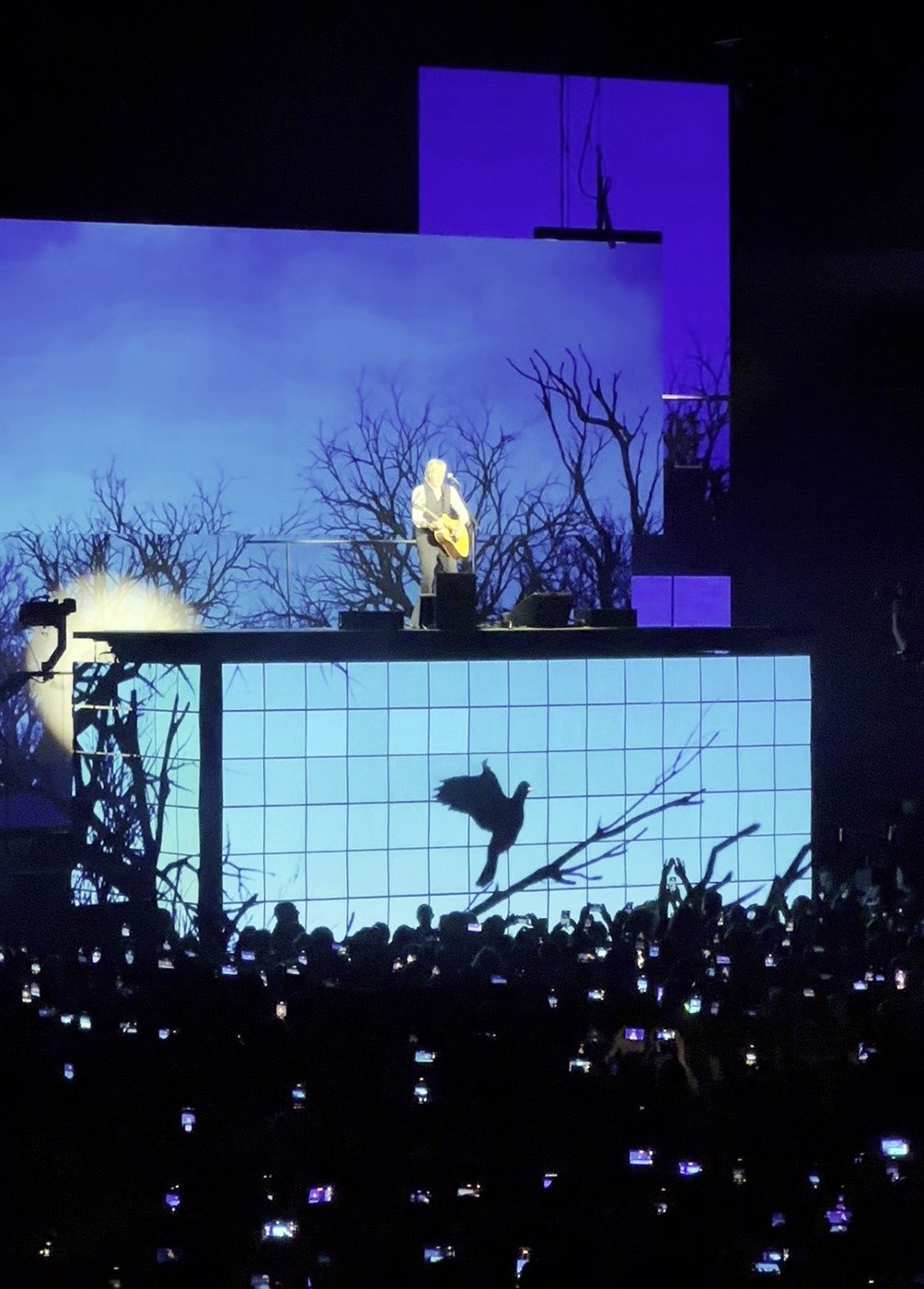
On 29 January 2027, two old friends will walk onto the same stage in Las Vegas and do something that was once the most ordinary thing in the world. Paul McCartney and Ringo Starr, the last two surviving Beatles, will perform together at the MGM Grand Garden Arena as part of VetsAid, the veterans benefit concert founded by Eagles guitarist Joe Walsh. It will be only their second shared public performance this decade.
More than sixty years have passed since four young men from Liverpool changed popular music forever. Two of them are gone: John Lennon was murdered in 1980, and George Harrison died of cancer in 2001. What remains is a friendship between two men now in their eighties who still perform, and still, when the moment is right, play the songs they made together as boys.
Two Boys From Liverpool
McCartney was born in Liverpool on 18 June 1942. Starr, born Richard Starkey, arrived two years earlier, on 7 July 1940, in the same city. They grew up in working-class Liverpool in the years after the Second World War, in a port city full of music. Neither came from wealth, and both grew up in homes where music was something you made yourself.
The Beatles formed in Liverpool in 1960, though the classic lineup took a little longer to settle. Lennon and McCartney were already writing songs together, Harrison was the quiet younger guitarist with a sharp ear, and the drummer’s chair changed hands until Starr joined in August 1962. That was the moment the pieces locked into place. Within two years they were the biggest band on the planet, and within a decade they had remade what a pop group could be.
McCartney was the bass player and, with Lennon, one half of the most successful songwriting partnership in popular music. Starr was the drummer, and his playing was the engine of the band: steady, inventive, always serving the song rather than showing off. He also brought something less measurable and just as important. He was the funny one, the easygoing one, the member who kept the atmosphere light when the pressure of being the Beatles became almost unbearable.
They were not just bandmates. They were young men growing up in public together, sharing hotel rooms, tour buses, and recording studios. When the band broke up in 1970, after a decade that had taken them from the Cavern Club to Abbey Road, it was the end of the Beatles but not the end of McCartney and Starr.
Life After the Breakup
The split could have ended the friendship. For many bands it does. The legal battles that followed were bitter and the press picked sides, but McCartney formed Wings in the 1970s and built a second career that would have been a lifetime achievement for anyone else: hit singles, sold-out tours, and a songwriting catalogue that kept growing. He was knighted in 1997, a formal recognition of a contribution to British music that had long since passed beyond argument.
Starr took a different path. He made records and acted in films, but his most enduring project has been the All Starr Band, the touring group he has led for years, sharing the stage with a rotating cast of fellow musicians and playing the hits of his own career alongside theirs. It is a celebration of a generation’s music, with Starr at the centre keeping the beat.
Through all of it, the two men stayed in touch. They played on each other’s records and turned up at each other’s concerts. Starr has called McCartney “the brother I never had”, and the phrase lands because it is clearly true. They are the only two people alive who were in the room for all of it: the Hamburg clubs, the screaming crowds, the studio sessions, the arguments, the jokes, the long nights on tour. Nobody else can share those memories.
McCartney said as much to The New York Times in July 2025. “With John and George not here, I think we realize nothing lasts forever,” he said. “There’s only me and Ringo, and we’re the only people who can share those memories.” It captured why their friendship still matters. They are not just the last two Beatles. They are the last two witnesses to a shared life that shaped the culture of the twentieth century.
The Rare Reunions
That is why their performances together have become so rare and so precious. They do not tour together. They do not make a habit of sharing a stage. When it happens, it is an event, and the gaps between those events tell their own story. Before December 2024, they had not shared a stage since 2019.
Then, on 19 December 2024, Starr walked on stage at London’s O2 Arena on the final night of McCartney’s Got Back tour. Together they played “Helter Skelter” and “Sgt. Pepper’s Lonely Hearts Club Band (Reprise)”, two songs from the loud, joyful end of the Beatles catalogue, played to a crowd that had waited a long time for exactly this.
The same spirit ran through their most recent recording together. In 2023 they released “Now and Then”, billed as the final Beatles song, a track built around a Lennon demo and completed with modern technology, with McCartney and Starr adding their parts more than fifty years after the band’s breakup. McCartney’s 2026 album “The Boys of Dungeon Lane” continued that thread, including the track “Home to Us”, which reunited him with Starr on record once again.
Las Vegas, January 2027
Now comes the next chapter. VetsAid, the veterans benefit concert started by Joe Walsh, celebrates its tenth anniversary on 29 January 2027 at the MGM Grand Garden Arena in Las Vegas, and McCartney and Starr will be there together. The announcement came in early November 2026, and the lineup around them underlines the scale of the occasion: The Killers, The War on Drugs, St. Vincent and Lucius are also on the bill. It is a serious, star-filled night for a serious cause, and the presence of the last two Beatles at its centre gives it a weight no other booking could.
For Walsh, who has spent a decade building VetsAid into a meaningful benefit for American veterans, landing both men is a landmark. For the audience in Las Vegas, it will be a chance to see something that happens only a handful of times in a decade. And for McCartney and Starr themselves, it will be another shared stage, another night of playing the songs, another memory added to a collection that only the two of them hold.
Still Going Strong in Their Eighties
There is a temptation to frame men in their eighties as relics, to be admired for simply still being around. That framing does them a disservice. McCartney still tours the world playing three-hour shows. Starr still tours with his All Starr Band, still plays with the same steady joy, still records. They are not coasting on old glories. They are working musicians who happen to have made some of the most famous music ever recorded, and they keep working because they love it.
They are not trapped in the past. They have both built long, full lives after the Beatles, with families, solo careers, honours, and new music. They do not need each other professionally. They choose each other personally, and that choice has lasted longer than the band ever did. It is also a story that resonates beyond Beatles fans: famous men finding second acts and keeping friendships alive across decades. The pairing of David Solomon and Johnny Depp shows how two well-known figures can each build a second life in music alongside their first careers. McCartney and Starr are the original version of that story.
Why This Reunion Matters
The January 2027 concert will not be a Beatles reunion. There can never be one, not really, not with Lennon and Harrison gone. What it will be is something rarer and, in its own way, more moving: two men in their eighties, who have known each other for more than sixty years, playing together because they still can and still want to.
That is the real story of Paul McCartney and Ringo Starr. Not the records, though the records are extraordinary. Not the fame, though the fame was unprecedented. The real story is a friendship that survived the biggest band in history, survived the breakup, survived the losses, and is still making history in its own quiet way. On 29 January 2027, in Las Vegas, it will make a little more of it. For the two men on stage, it will be something only they fully understand: the pleasure of sharing a stage, and a lifetime of memories, with the one person left who was there from the start.