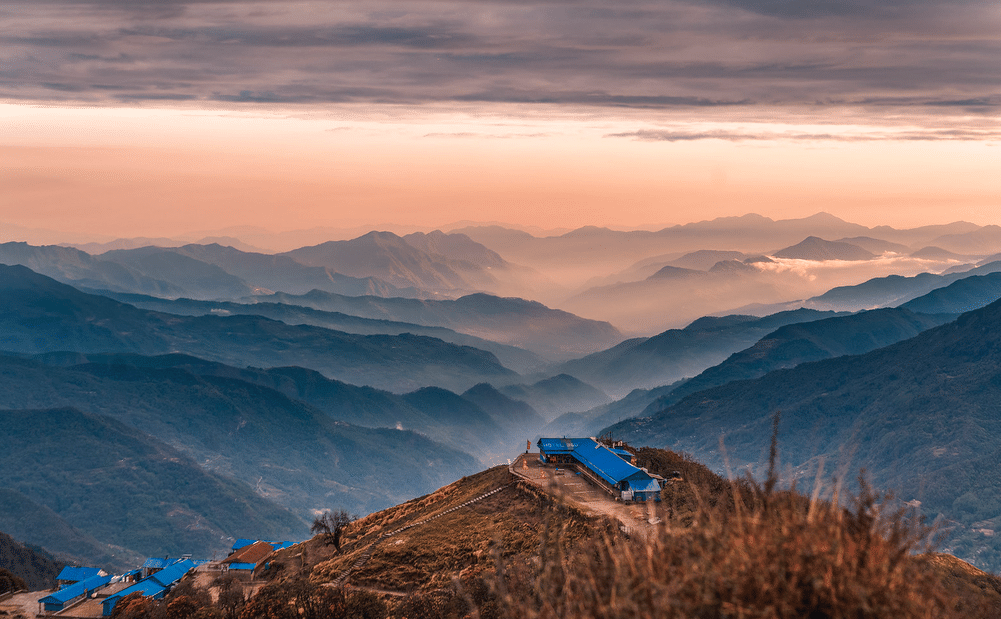
Choosing your first trek in Nepal can feel overwhelming, especially with so many well known routes to consider. That is why our team often recommends Mardi Himal to first time trekkers. It is not because the trek is easy or because we want to discourage people from taking on bigger adventures. We recommend it because it provides a balanced introduction to trekking in the Himalayas, combining rewarding mountain views, manageable distances, and an experience that feels both achievable and memorable.
We regularly take trekkers to the trailheads in the Annapurna region every season, and we have watched many first timers walk out of Kande with nothing but a daypack and a slight look of worry on their face, then pick them up days later grinning from ear to ear after one of the better weeks of their lives. Mardi Himal does that to people. It is short enough to feel manageable but long enough to feel real.
Here are five honest reasons why we think Mardi Himal is the best short trek in Nepal for anyone walking a Himalayan trail for the first time.
1. It Fits Into a Short Holiday Without Feeling Rushed
One of the biggest worries first timers share with us is time. Not everyone visiting Nepal has two weeks free, and the idea of committing a full week or more to a trek can feel like too much pressure for a first attempt.
Mardi Himal can be completed in 4 to 5 days of actual trekking, and with jeep transport to and from the trailhead, most people fit the whole trip into about 6 days total from Pokhara. That leaves room for a day of rest or exploration without eating up an entire two week Nepal trip.
We leave early in the morning from Pokhara and reach Kande, the usual starting point, in roughly 45 minutes to an hour depending on traffic. From there, trekkers are on the trail within the first hour of the day. No long bus rides, no border crossings, no complicated logistics. Our team handles the transport and permit paperwork so that the morning of departure stays calm and simple.
For first timers especially, a trip that fits neatly into the schedule removes a layer of stress before the walk even begins.
2. The Trail Is Manageable But Still Genuinely Challenging
Some short treks are designed to be relatively gentle, while others provide a more physically demanding experience. You walk a few hours, stay in comfortable lodges, and come home feeling like you could have done more. Mardi Himal is not like that.
The first two days take you through thick forest with steady uphill climbing. It is tiring in a good way. You feel your legs working. By the time you clear the tree line and hit the open ridge on day three, that effort pays off with a view that most people say they did not expect to be so close to the mountains.
Daily walking is usually between 4 and 6 hours, which is enough to feel like a real achievement without destroying your body for the next day. We have sent clients in their 50s and 60s on this route, as well as young travelers doing their first long walk anywhere. The trail does not require technical skill or gear beyond good boots and warm layers, which makes it accessible without being dull.
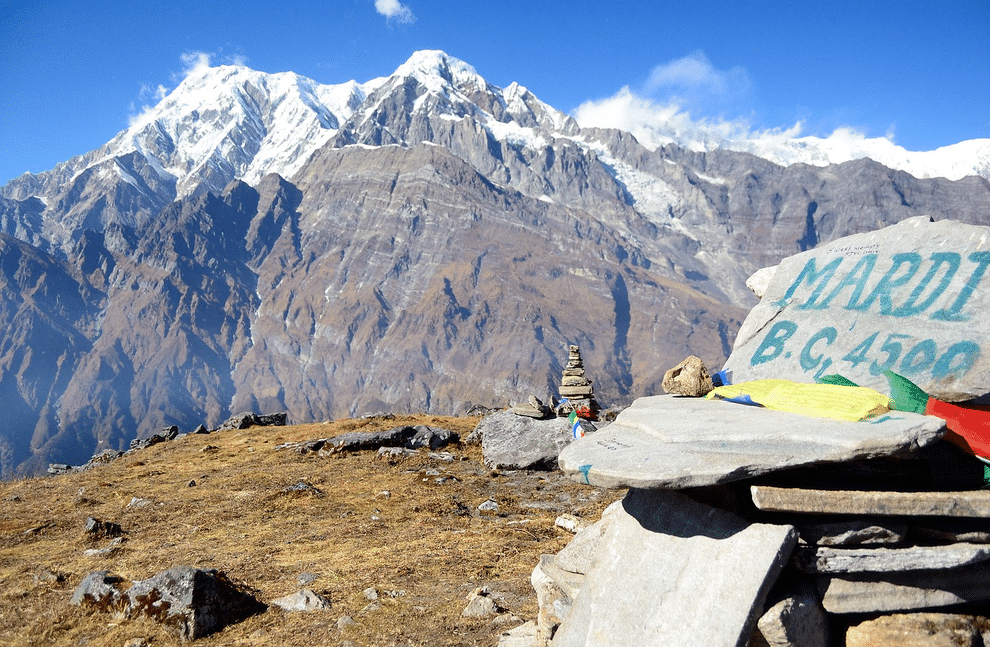
One thing we always tell first timers: do not rush the ridge section. Above the treeline the wind picks up, the air gets noticeably thinner, and the ground underfoot changes. Take your time there. The summit viewpoint at around 4,200 meters is not a sprint finish, and pushing too hard in the final hours is the most common mistake we hear about after trips.
3. You Get a Real Mountain View Without Going Too High
First timers are often surprised by how close Mardi Himal gets you to the peaks. Many people come expecting a distant view from across a valley. What they get instead is a ridge walk with Machhapuchhre, the Fishtail peak, rising sharply almost directly ahead, and Annapurna South filling the sky to the left.
High Camp sits at about 3,580 meters, while the Upper Viewpoint reaches around 4,200 meters, which is high enough to feel the altitude but low enough that most healthy people adjust without serious trouble. This matters a great deal for first timers, since altitude sickness is a real concern on higher altitude treks, particularly those that continue above 4,500 to 5,000 meters. Mardi Himal sits in a range where altitude adds to the experience rather than becoming the main thing to manage.
We are honest with clients about altitude before they leave. Headaches, slower breathing, and mild tiredness are normal above 3,500 meters. These usually pass with rest and water. What we watch for is anything more serious, and our advice is always to descend if symptoms are not improving rather than pushing on. The mountain will be there another day.
The sunrise from the Mardi Himal viewpoint on a clear morning is one of those moments that stays with people for a long time. We have heard about it from clients years after the trip.
4. The Trail Is Quiet Compared to Other Popular Routes
If you have looked into Nepal trekking at all, you have probably heard that some of the famous routes can feel crowded during peak season. Annapurna Base Camp and the Everest Base Camp trail both see heavy foot traffic in October and November, with teahouses booking up fast and the trail itself sometimes feeling like a busy walking path.
Mardi Himal became popular much more recently than many classic trekking routes, and it has not yet reached the same crowd levels. For a first timer, this makes a real difference. You spend more time walking in quiet forest, you sleep in smaller guesthouses where the hosts have more time to talk to you, and the overall pace of the trip feels less rushed.
We see this as one of the most underrated qualities of this trek. People come home talking about the views, which is expected. But they also come home talking about a conversation they had over dinner in a small teahouse, or the sound of the forest in the early morning before anyone else was awake. That kind of experience is harder to find on a trail with hundreds of other trekkers moving through each day.
That said, October and November are still the busiest months here too. Our advice is to book guesthouses at the top camps a day or two in advance if you are traveling during those months. We can help coordinate that when we are arranging the jeep ride in.
5. It Is More Affordable Than Longer Treks Without Feeling Like a Lesser Trip
Budget is a real part of planning, and we prefer to talk about it openly rather than leaving people to guess.
Mardi Himal costs less than longer treks like Annapurna Base Camp or the Annapurna Circuit for a straightforward reason: fewer days means fewer nights in guesthouses, fewer meals on the trail, and fewer days of guide and porter wages. The trekking permits are the same as other Annapurna routes, so that cost does not change, but everything else is naturally smaller.
For many first timers, especially those who are not yet sure how much they will enjoy multi day trekking, spending a smaller amount on a shorter first trip makes sense. If Mardi Himal leaves them wanting more, the longer treks will still be there next time. If it turns out trekking is not quite for them, they have not committed an entire two weeks and a large budget to find that out.
Our jeep service for the Kande road is one of the smaller costs of the whole trip, and we try to keep it fair and clear from the start. No surprise fees at the roadside. No hidden charges for luggage. The price you agree on before you leave Pokhara is the price you pay. We have found that kind of straightforward arrangement matters more to first timers than to anyone else, because everything else about the trip is already new and uncertain.
A Few Practical Notes Before You Go
Since our team works closely with first timers on this route, here are a few things we wish everyone knew before they arrived at the jeep in the morning.
- Sort your permits the day before: You will need an Annapurna Conservation Area Permit (ACAP). Additional permit requirements may change with government regulations, so it is best to confirm the latest rules before your trip.
- Pack light but pack warm: The lower trail is comfortable in light layers, but the ridge gets genuinely cold, especially overnight. A good down jacket, a hat, and gloves are not optional above 3,500 meters even in October.
- Drink more water than you think you need: Staying well hydrated is the single most effective thing you can do to manage altitude. It sounds simple but people consistently underdo it on the upper sections.
- Tell us your schedule: When you book your jeep with us, let us know your return day. The Siding road after Mardi Himal can have traffic, and we time pickups carefully to make sure you are not waiting at the roadside for hours after a long final day.
- Hire a guide if it is your first time: The trail is well marked but a local guide adds a great deal to the experience, from knowing which teahouse serves the best food to reading the weather on the ridge. We can connect you with people we trust.
Ready to Plan Your Mardi Himal Trek?
Mardi Himal is not just the best short trek in Nepal for first timers because it is short. It is the best short trek because it gives you the full experience, real effort, real altitude, real mountains, and a real sense of quiet in the hills, in a format that does not require two weeks of holiday or a large budget.
Our team has driven hundreds of trekkers to Kande over the years, and we still enjoy hearing how the trips go. If you are planning your first trek in Nepal and want honest advice on timing, permits, packing, or transport, reach out to us before you book anything else. We would rather spend ten minutes answering your questions than have you arrive underprepared for a trip you have been looking forward to.