Getting raw land ready for building takes a lot of work before you can start. A property without development might look good to build on, but there are often trees, thick plants, bumps in the dirt, rocks, and other things in the way. Doing the work to get the land in shape helps owners set up an area for later projects like building a house, putting up a business, or starting a farm. Knowing how the clearing steps go will keep you from having extra wait times and costs.
Hiring professional land clearing services can help make it easier to get the land ready. These workers have tools and the know-how to take out unwanted plants, clear things that get in the way, and get the land set up how your project needs it. Before you start, property owners should know what needs to go, which spots should stay as they are, and how you will use the land once it is clear.
Assessing the Property Before Clearing
The first thing to do is take a look at how things are right now on the property. A check of the site lets people see what trees, shrubs, rocks, old buildings, and water flow issues are there, along with where the land goes up or down. People who own the land should also think about how big the space is that needs to be cleared, and if there are any parts of nature they want to keep.
A professional assessment can show problems that might get in the way of building. For example, low spots can fill with water. Steep slopes may mean more work needs to be done first. Finding these issues early can help plan the work and figure out project costs.
Understanding Permits and Property Regulations
Land clearing is not just about cutting down trees and plants. The local government may have rules about taking out trees, protecting animals’ homes, caring for wetlands, stopping soil from washing away, and working on building sites. There may also be rules for the land that say how you can use some parts of it.
Before starting any work, owners should look at local rules. They need to get any needed permits. The property lines should be marked so they do not clear another person’s land by mistake. If people take care of these things before they begin, it helps stop legal problems, extra costs, and delays in the project.
Removing Trees, Brush, and Other Obstacles
Taking out plants is one of the big steps when you get raw land ready. The things you need to clear will depend on the shape of the land. You may need to get rid of unwanted trees, thick brush, weeds, fallen branches, and plants that are not good for the area. There can be large rocks, old fences, and things left behind that also need to be taken away.
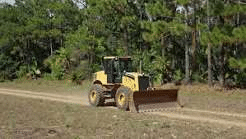
The tools you use will depend on the land and how much green there is. Things like excavators, bulldozers, forestry mulchers, and special cutting tools help workers do the job well in many places. You do not need to cut down every tree. Keeping the healthy trees and other good parts of nature can make your place look better. It also helps you not to make changes you do not need.
Managing Soil, Drainage, and Erosion
Taking away plants leaves the soil open to wind and rain. This makes it hard to keep soil from being washed away. If you do not make a plan, heavy rain can take away the top layer of soil. This can also make it hard for water to go where it should.
Property owners have to look at how water goes over the land before building anything. Grading might be needed to make the right levels and push water away from where buildings will be. Things like barriers and coverings can stop soil from moving while the work is happening.
Planning for Waste Removal and Site Preparation
Land clearing creates waste, like tree limbs, stumps, leaves, and brush. What people do with this waste depends on local rules and what the project needs. Some of the waste can be chipped, recycled, moved, or thrown away the right way. Never think burning is always allowed. Always check the rules in your area first.
After the debris is gone, there might be more things to do. These can be stump grinding, grading, leveling, and getting paths ready for construction equipment. People who own the property should check the cleared space. They have to make sure it fits the needs of the next step.
Getting raw land ready to build on is about more than just getting rid of trees and plants you do not want there. You need to look at the property, get the right permits, deal with mess and trash, plan how water will move on the land, and keep the ground from getting hurt. Each of these fixes helps the project go well. If you know about these steps, you can make good choices, keep costs down, and stop delays when building. If you work with people who have done this work before and get help with land clearing services, you can make land safer, easier to reach, and ready for building.