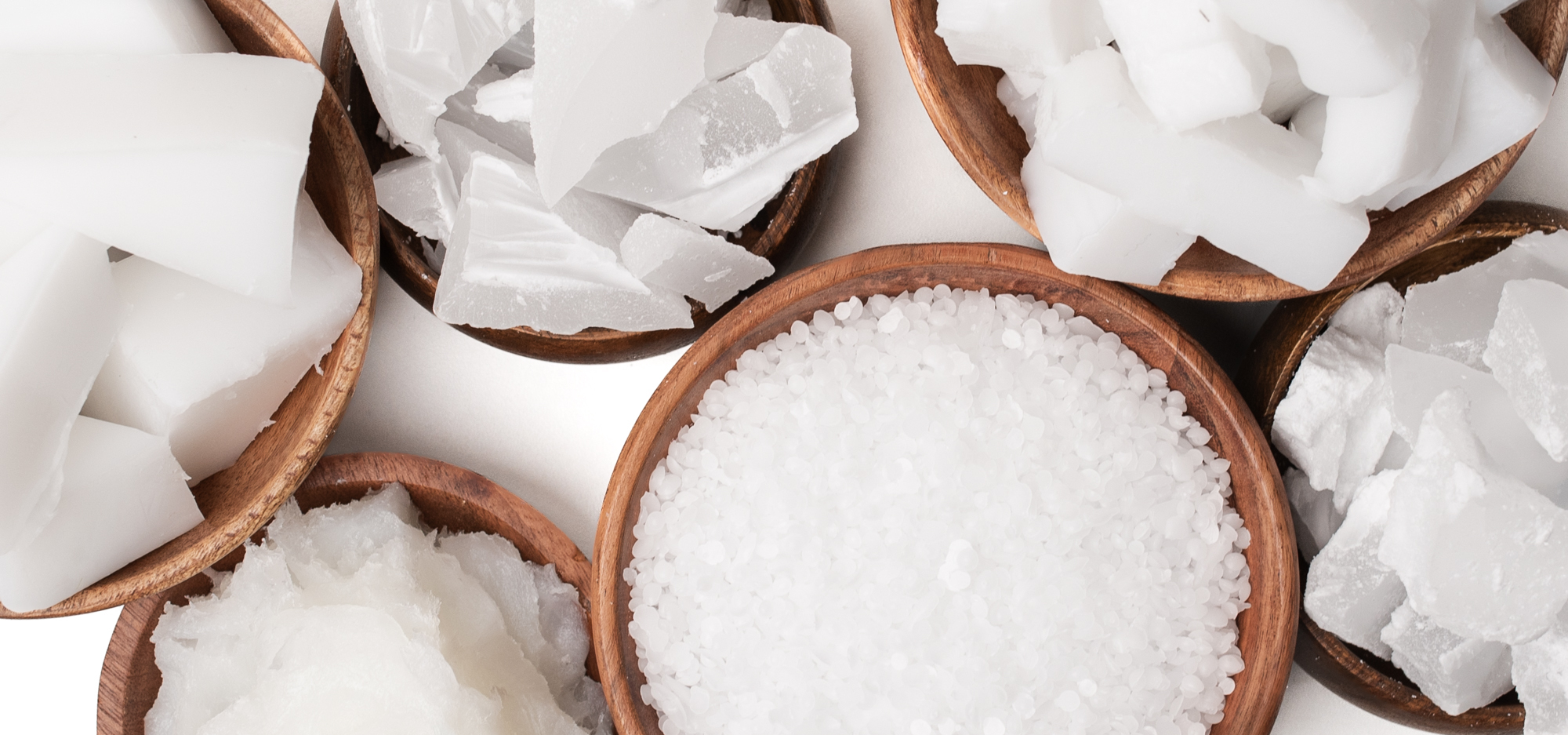
Paraffin wax is a widely used material known for its reliability, versatility, and consistent performance across many industries. From candle making and cosmetics to household and industrial applications, it plays a key role wherever controlled melting, moisture resistance, and stability are required. Despite the rise of alternative waxes, paraffin wax continues to be a preferred option because it delivers predictable results and is easy to work with.
Many people search for paraffin wax without fully understanding what it is, how it differs from other waxes, or how to choose the right type for their needs. This often leads to confusion, especially for beginners in candle making or those exploring paraffin wax for personal care or crafts. Having clear, accurate information helps avoid mistakes and ensures safer, better outcomes.
This article explains paraffin wax in a straightforward way. It covers what paraffin wax is, how it behaves, where it is commonly used, and what you should consider before using it. The goal is to provide practical knowledge that helps readers make informed decisions, whether they are buying paraffin wax for the first time or refining their existing process.
What Paraffin Wax Is and How It Is Made
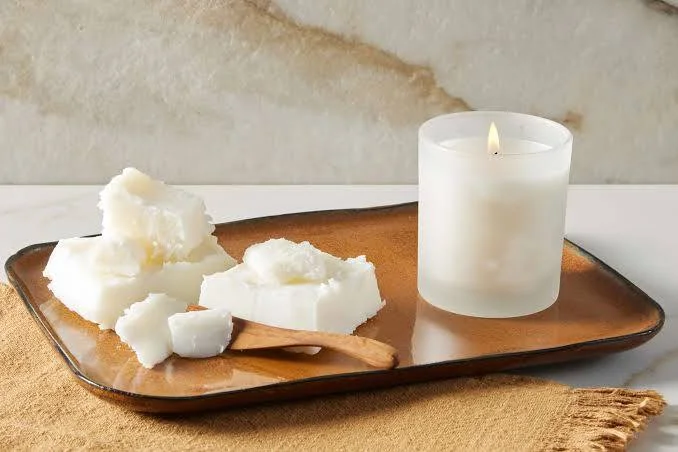
Paraffin wax is a solid wax material produced during the refining of crude oil. During this process, waxy substances are separated from lubricating oils and then refined further to remove excess oil, colour, and odour. The final product is a clean, stable wax that can be manufactured in different grades depending on how it will be used.
At room temperature, paraffin wax remains solid and slightly translucent, becoming liquid when heated above its melting range. This predictable behaviour is one of its most valuable characteristics, as it allows manufacturers and hobbyists to work with it safely and consistently. The wax can be shaped, poured, re-melted, and blended without losing its core properties.
Paraffin wax should not be confused with liquid paraffin or paraffin oil. While they originate from the same source, paraffin wax is a solid material used for coating, forming, and heat retention, whereas paraffin oil is a liquid used mainly for lubrication or fuel-related purposes. Understanding this distinction is important when purchasing or applying the material.
Physical and Functional Properties of Paraffin Wax
One of the most important features of paraffin wax is its stability. It does not react easily with other substances, does not dissolve in water, and forms an effective barrier against moisture. These qualities make it suitable for protective coatings, waterproofing, and packaging applications where durability is required.
Paraffin wax melts within a controlled temperature range that varies depending on the grade. This allows it to be used in applications that require gradual heat release or easy reshaping. When it cools, it hardens evenly, which is particularly useful in candle making and moulded products. Its ability to retain heat also explains why it is used in therapeutic wax treatments.
Another useful property is its insulating capability. Paraffin wax resists electrical conductivity and is often used to protect or stabilise components in electrical and mechanical systems. Combined with its affordability and wide availability, these properties explain why paraffin wax remains a staple material across many sectors.
Different Types and Grades of Paraffin Wax
Paraffin wax is available in multiple grades, and choosing the right one depends on how it will be used. Fully refined paraffin wax has very low oil content and minimal odour, making it suitable for candles, cosmetics, and applications involving skin contact. This grade is typically preferred when cleanliness, appearance, and safety are priorities.
Semi-refined paraffin wax contains a higher level of residual oil and may have a slight colour or scent. While it is not ideal for cosmetic use, it performs well in industrial settings, waterproofing, and lubrication tasks where visual purity is less important. It is often selected for its durability rather than its finish.
In addition to refinement level, paraffin wax can be formulated into blends designed for specific purposes. For example, candle wax blends may be engineered to improve scent release, reduce surface imperfections, or increase hardness. Understanding these variations helps users avoid poor results caused by using the wrong type of wax.
Common Uses of Paraffin Wax
The most recognised use of paraffin wax is in candle making. It is widely used for container candles, pillar candles, tea lights, and wax melts because it produces a smooth finish and carries fragrance effectively. Its ability to hold colour and scent makes it especially popular for decorative and scented candles.
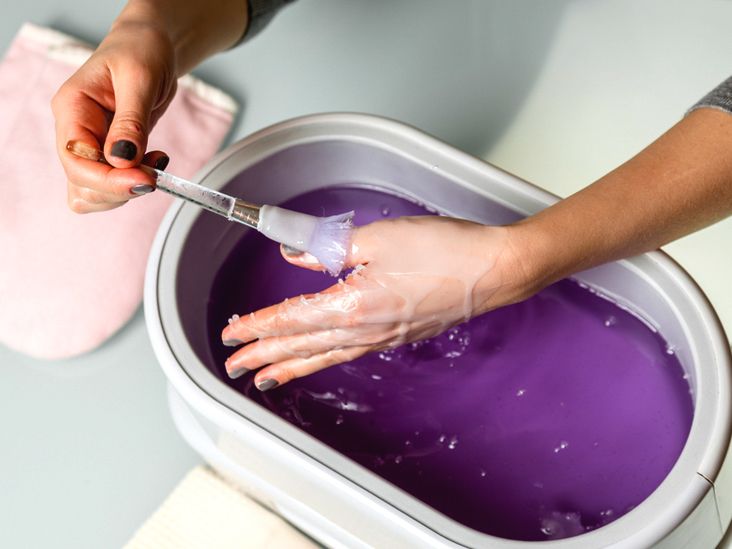
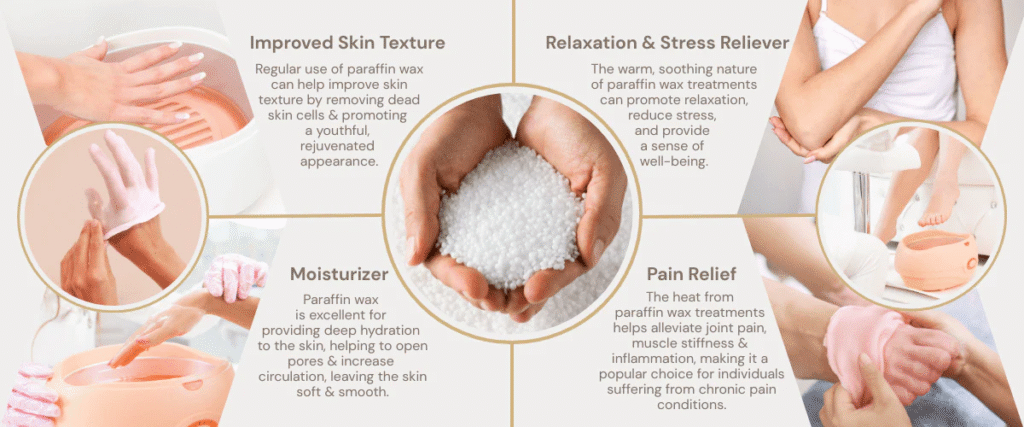
Paraffin wax is also widely used in cosmetics and personal care products. It forms a protective layer on the skin that helps reduce moisture loss, which is why it appears in creams, ointments, and salon treatments. Warm paraffin wax treatments are commonly used for hands and feet to soften skin and improve comfort.
Beyond consumer products, paraffin wax plays an important role in industrial and household applications. It is used to coat paper and packaging, protect wood and metal surfaces, lubricate moving parts, and insulate electrical components. Its broad usefulness is one of the main reasons it continues to be produced on a large scale.
Paraffin Wax for Candle Making
In candle making, paraffin wax is valued for its consistency and ease of use. It melts evenly, accepts dyes without separation, and blends well with fragrance oils. These characteristics allow candle makers to achieve reliable results with fewer variables compared to some natural waxes.
Paraffin wax generally requires higher pouring temperatures, which helps produce a smooth surface when handled correctly. However, it can shrink slightly as it cools, meaning techniques such as topping up or controlled reheating may be required. When paired with the correct wick, paraffin candles burn evenly and release fragrance efficiently.
Many experienced candle makers choose paraffin wax for performance-focused products, while others blend it with alternative waxes to balance appearance, scent, and consumer preferences. Understanding how paraffin wax behaves during cooling and burning is key to producing high-quality candles.
Safety and Handling Considerations
When used correctly, fully refined paraffin wax is generally considered safe for its intended applications. However, safety depends on proper handling, temperature control, and ventilation. Paraffin wax should always be melted using controlled heat sources and never left unattended during heating.
For skin-related uses, only cosmetic-grade paraffin wax should be used. Individuals with circulation problems, diabetes, or open skin conditions should avoid paraffin wax treatments unless advised otherwise. Applying wax at excessive temperatures can cause burns, so temperature monitoring is essential.
In work environments, prolonged exposure to heated wax fumes should be avoided through adequate ventilation. Storing paraffin wax in a cool, dry place away from direct heat or flames further reduces risk and helps maintain product quality.
Using Paraffin Wax at Home
Paraffin wax is commonly used at home for crafts, candles, and personal care. For candle making, it should be melted slowly using a double boiler or wax melter to prevent overheating. Measuring temperatures and following supplier guidance improves both safety and results.
Paraffin wax treatments for hands and feet are another popular home use. These involve applying layers of warm wax to the skin and allowing it to retain heat before removal. The process helps soften skin and temporarily improve comfort, but it should always be performed with clean, temperature-controlled wax.
Unused wax can be stored and reused as long as it remains clean and uncontaminated. Re-melting wax is common practice, but care should be taken to avoid mixing incompatible grades or introducing debris that could affect performance.
Paraffin Wax Compared to Other Waxes
Paraffin wax is often compared with soy wax, beeswax, and other alternatives. One of its main advantages is performance reliability. It delivers stronger fragrance release and more consistent burning than many plant-based waxes, especially in scented products.
Alternative waxes are often chosen for environmental or marketing reasons, but they can be more expensive and sometimes less predictable. Paraffin wax remains a practical choice where functionality, appearance, and cost control are priorities.
Choosing between waxes should be based on the intended application rather than trends. Paraffin wax continues to be widely used because it performs well when properly selected and handled.
Frequently Asked Questions About Paraffin Wax
Is paraffin wax safe to use?
Fully refined paraffin wax is generally safe when used as intended and handled correctly.
What is paraffin wax commonly used for?
It is used in candles, cosmetics, coatings, packaging, insulation, and various industrial applications.
Does paraffin wax melt easily?
Yes, it melts within a controlled temperature range that makes it easy to work with for crafting and manufacturing.
Can paraffin wax be reused?
Paraffin wax can be re-melted and reused if it remains clean and uncontaminated.
Conclusion
Paraffin wax remains a reliable and widely used material because it offers stability, versatility, and predictable performance. Its role in candle making, personal care, and industrial applications continues to be strong despite changing market trends.
By understanding the different grades, properties, and safe handling practices, users can make better choices and achieve consistent results. Whether used for creative projects or practical applications, paraffin wax continues to be a valuable material when applied correctly.
You may also read: What Car Repairs Can You Finance with Bumper?