
Red diesel plays an important role in the UK for industries that rely on heavy machinery, off-road vehicles, and specialist equipment. However, changes to legislation, tighter enforcement, and ongoing confusion around eligibility mean that many people are unsure whether they can legally use red diesel today.
This guide provides a clear, up-to-date explanation of red diesel in the UK. It explains what red diesel is, who can use it, how the law works after recent changes, how pricing is calculated, and how to buy it legally. The aim is to help businesses and individuals avoid costly mistakes while understanding how red diesel fits into today’s regulatory landscape.
What Is Red Diesel?
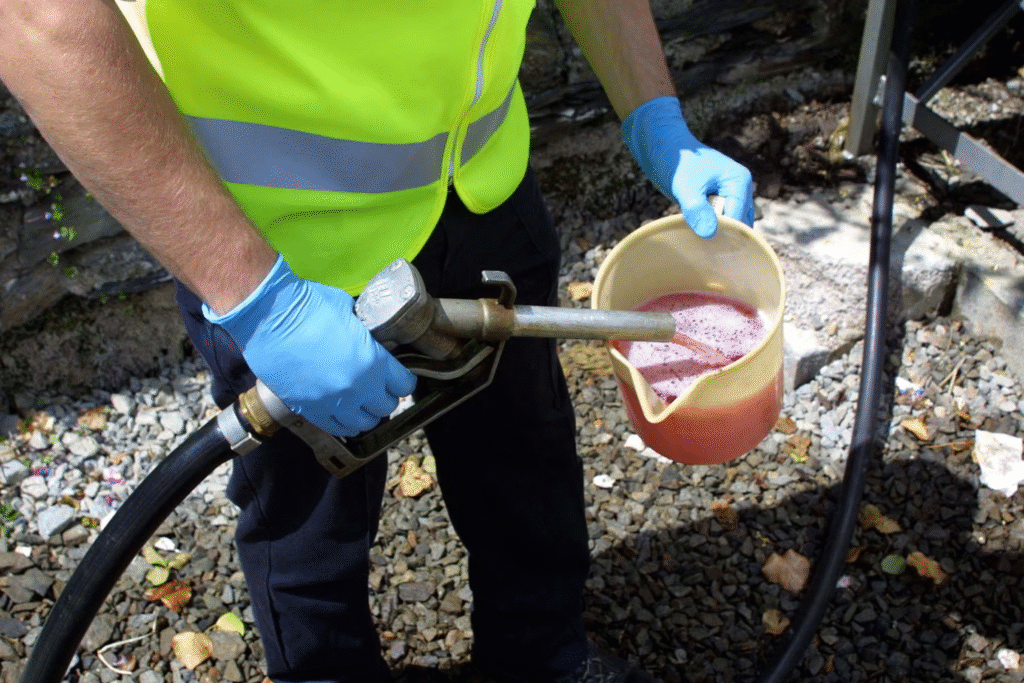
Red diesel, commonly known as gas oil, is a type of diesel fuel that is taxed at a lower rate than standard road diesel. It is chemically similar to white diesel, meaning it can power the same types of engines, but its use is restricted by law.
The fuel is dyed red and contains chemical markers so that authorities can easily identify whether it is being used correctly. These markers are not added for performance reasons but for enforcement purposes, allowing HMRC to detect misuse during inspections or roadside checks.
The lower tax rate is what makes red diesel attractive, but it is also the reason its use is tightly controlled. Using red diesel outside permitted situations is treated as fuel duty evasion rather than a minor technical breach.
Why Is Red Diesel Dyed Red?
The red dye serves a single, critical purpose: to prevent illegal use. Because red diesel is cheaper due to reduced fuel duty, it must be clearly distinguishable from road diesel.
The dye stains fuel tanks, pipes, and filters, and traces can remain detectable long after use. This means switching back to white diesel does not immediately remove evidence of misuse. Modern enforcement relies not only on visual inspection but also on fuel testing, which can identify chemical markers even when fuel appears clear.
For legitimate users, the dye is simply part of compliance. For illegal users, it is a long-term risk that can lead to penalties months later.
Who Can Legally Use Red Diesel in the UK?

The rules around red diesel changed significantly in April 2022. Before that date, many sectors were entitled to use rebated fuel. Today, eligibility is far more limited and must be clearly understood.
Red diesel is still permitted in agriculture, horticulture, forestry, and fish farming, where machinery is essential and alternatives may not be practical. It is also allowed for rail transport, certain marine uses, and non-commercial power generation or heating, such as in hospitals, schools, and community facilities.
Eligibility depends not just on the industry, but also on how and why the fuel is used. Even within permitted sectors, red diesel must be used for qualifying purposes only. Using it for convenience rather than necessity can still be unlawful.
Uses That Are No Longer Allowed
A common misconception is that red diesel is allowed whenever a vehicle operates off public roads. This is no longer true. Since 2022, most construction activities, commercial site heating, and general business operations must use standard white diesel or alternative fuels.
Using red diesel in cars, vans, lorries, or other standard road vehicles is illegal, even if the vehicle only briefly travels on public roads. Commercial heating systems also lost entitlement, meaning businesses that previously relied on red diesel for heating must now use compliant alternatives.
Because the financial difference between fuels is significant, enforcement is strict. Businesses are expected to understand the rules and apply them correctly at all times.
Red Diesel vs White Diesel: Key Differences
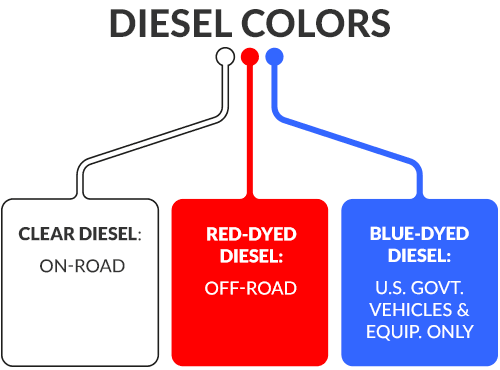
From an engine perspective, red diesel and white diesel perform in very similar ways. The real difference lies in tax treatment and legal use rather than fuel quality.
White diesel is taxed at the full road fuel duty rate and is legal for all standard vehicles. Red diesel is taxed at a reduced rate and is restricted to specific uses. Using the wrong fuel in the wrong situation can result in fines, repayment of avoided tax, and vehicle seizure.
While red diesel does not usually damage engines, the legal and financial consequences of misuse can be severe. Compliance matters far more than mechanical compatibility.
How Red Diesel Prices Work in the UK
Red diesel does not have a single fixed national price. Instead, pricing depends on several factors, including global oil markets, supplier costs, delivery location, and order volume.
Because red diesel benefits from reduced fuel duty, it is usually cheaper than white diesel. However, prices still fluctuate daily, and bulk buyers often receive better rates than those ordering smaller quantities.
Suppliers typically quote prices per litre, with additional costs or discounts applied based on delivery size, contract terms, and location. Understanding these factors helps buyers compare quotes fairly and avoid misleading price comparisons.
How to Get the Best Value When Buying Red Diesel

Getting good value is not just about choosing the lowest price. Reliable supply, legal compliance, and fuel quality all play an important role in long-term cost control.
Ordering in bulk, such as full tanker deliveries or 205-litre barrels, often reduces the per-litre cost. Businesses with predictable usage may benefit from supply agreements that provide more stable pricing over time.
It is also important to buy only from licensed and reputable suppliers. Cutting corners with unregistered sellers can expose buyers to legal risk, poor-quality fuel, and serious penalties.
Where to Buy Red Diesel Legally
Red diesel must be purchased from suppliers approved to sell controlled oils in the UK. These suppliers are responsible for verifying that customers are entitled to receive rebated fuel and for maintaining supply records.
Most authorised suppliers offer nationwide delivery to farms, rail depots, marine facilities, and other eligible sites. Fuel can be delivered in bulk tankers, intermediate containers, or barrels, depending on storage capacity and usage needs.
Keeping delivery notes, invoices, and declarations of use is essential. These records may be requested during inspections to prove that fuel has been used lawfully.
Compliance, Records, and Inspections
Compliance is now a core responsibility for anyone using red diesel. HMRC inspections may involve checking fuel tanks, testing fuel samples, and reviewing paperwork.
Businesses should maintain clear records showing where red diesel is stored, which equipment uses it, and why that use is permitted. Separation of red diesel and white diesel storage helps prevent accidental misuse and cross-contamination.
Good record-keeping is not just about avoiding fines. It also demonstrates due diligence and responsible fuel management, which can be critical if questions arise.
Fuel Markers and Enforcement
Modern red diesel contains chemical markers designed to remain detectable for long periods. These markers are intentionally difficult to remove and are used to identify misuse even after fuel has been changed.
This means that illegal use can be detected weeks or months later, particularly if fuel systems have not been properly cleaned. For legitimate users, this reinforces the importance of strict compliance and clear fuel separation.
Attempting to disguise or alter fuel is illegal and carries serious penalties.
Storage and Handling Best Practices
Safe and compliant storage is an essential part of using red diesel responsibly. Tanks should be clearly labelled, properly maintained, and suitable for fuel storage.
Preventing spills, managing access, and keeping storage areas secure reduces both environmental risk and compliance issues. Good storage practices also help preserve fuel quality and protect equipment.
For businesses operating both red and white diesel systems, physical separation and clear labelling are especially important.
Conclusion
Red diesel remains an important fuel for specific UK sectors, but the rules surrounding its use are stricter than ever. Since the 2022 changes, eligibility has narrowed, enforcement has increased, and expectations around record-keeping are higher.
Understanding what red diesel is, who can legally use it, how pricing works, and where to buy it safely helps businesses stay compliant and avoid costly mistakes. In today’s regulatory environment, informed fuel management is essential, not optional.
Frequently Asked Questions
What is red diesel used for?
Red diesel is used for specific off-road purposes such as agriculture, forestry, rail transport, marine use, and certain non-commercial power or heating applications.
Is red diesel illegal in cars?
Yes. Using red diesel in standard road vehicles is illegal and can result in fines, back-tax payments, and vehicle seizure.
Can anyone buy red diesel?
Only eligible users can legally buy and use red diesel, and suppliers may require confirmation of lawful use.
Why is red diesel cheaper than white diesel?
It is taxed at a lower fuel duty rate, which is why its use is restricted.
Where can I buy red diesel near me?
From licensed UK fuel suppliers who deliver to eligible users nationwide.
You may also read: Paraffin Wax for Hands, Feet, and Skin Care