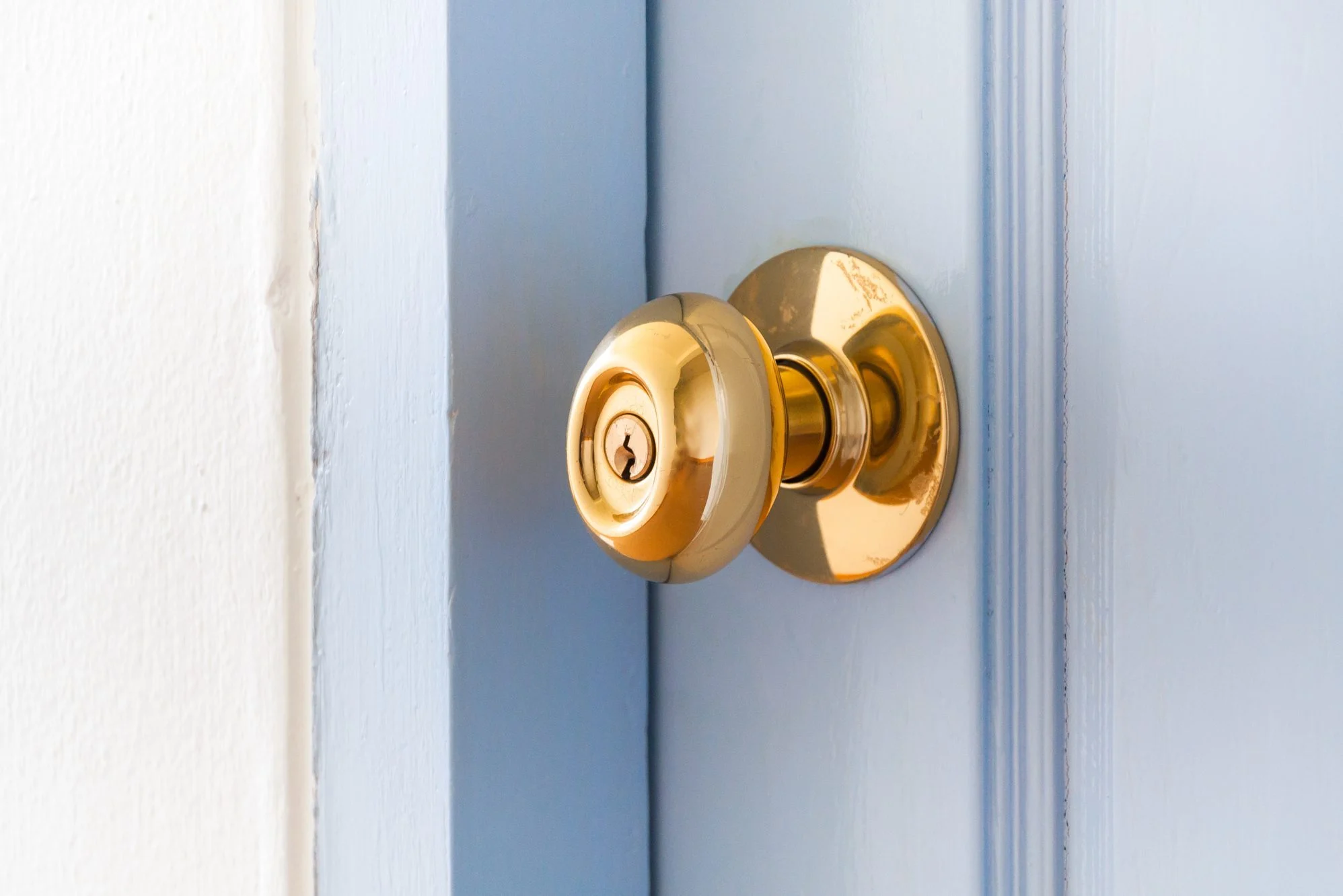
Selecting the right door hardware is one of those deceptively simple tasks that can quickly spiral into a mechanical headache. Brass door knobs have remained a staple of British architecture for centuries, transitioning seamlessly from the heavy timber doors of Georgian townhouses to sleek, minimalist modern extensions.
However, choosing the perfect brass knob is not just about finding an appealing shape or color. It requires a solid understanding of UK door anatomy, mechanical latch requirements, and material science. This comprehensive guide will walk you through the structural, mechanical, and stylistic details you need to make an informed, long-term purchase for your home.
The Mechanical Reality: Sprung vs. Unsprung Brass Door Knobs
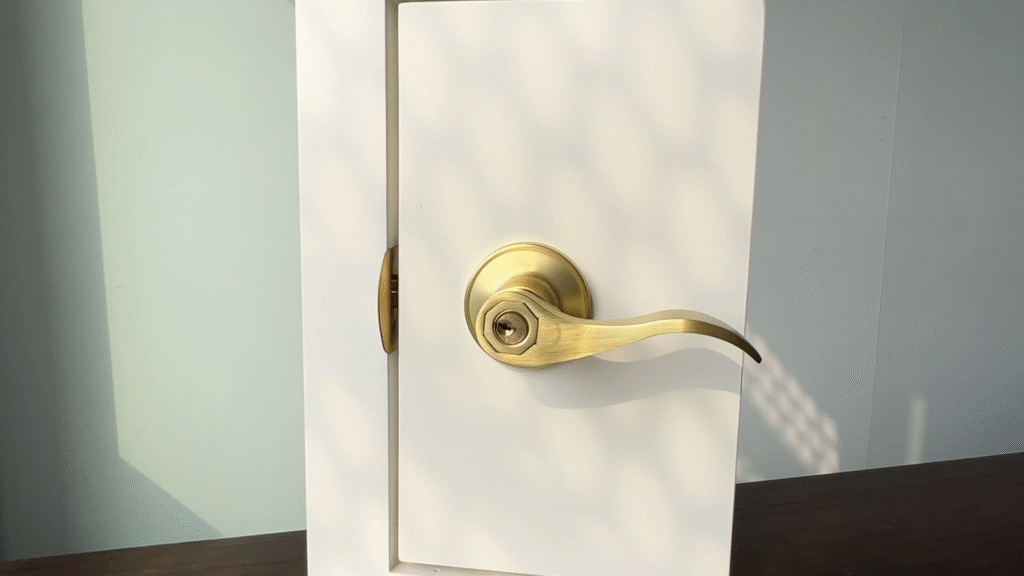
The single most common mistake made during a home renovation is purchasing door knobs without verifying their internal mechanics. Unlike standard lever handles, which almost always feature an internal spring to return the handle to a horizontal position, door knobs are highly split in their construction.
       [Unsprung Brass Knob] ──────► Requires Heavy-Duty Latch (Double Spring)

       [Sprung Brass Knob]   ──────► Works with Standard Tubular Latch
Unsprung Brass Door Knobs
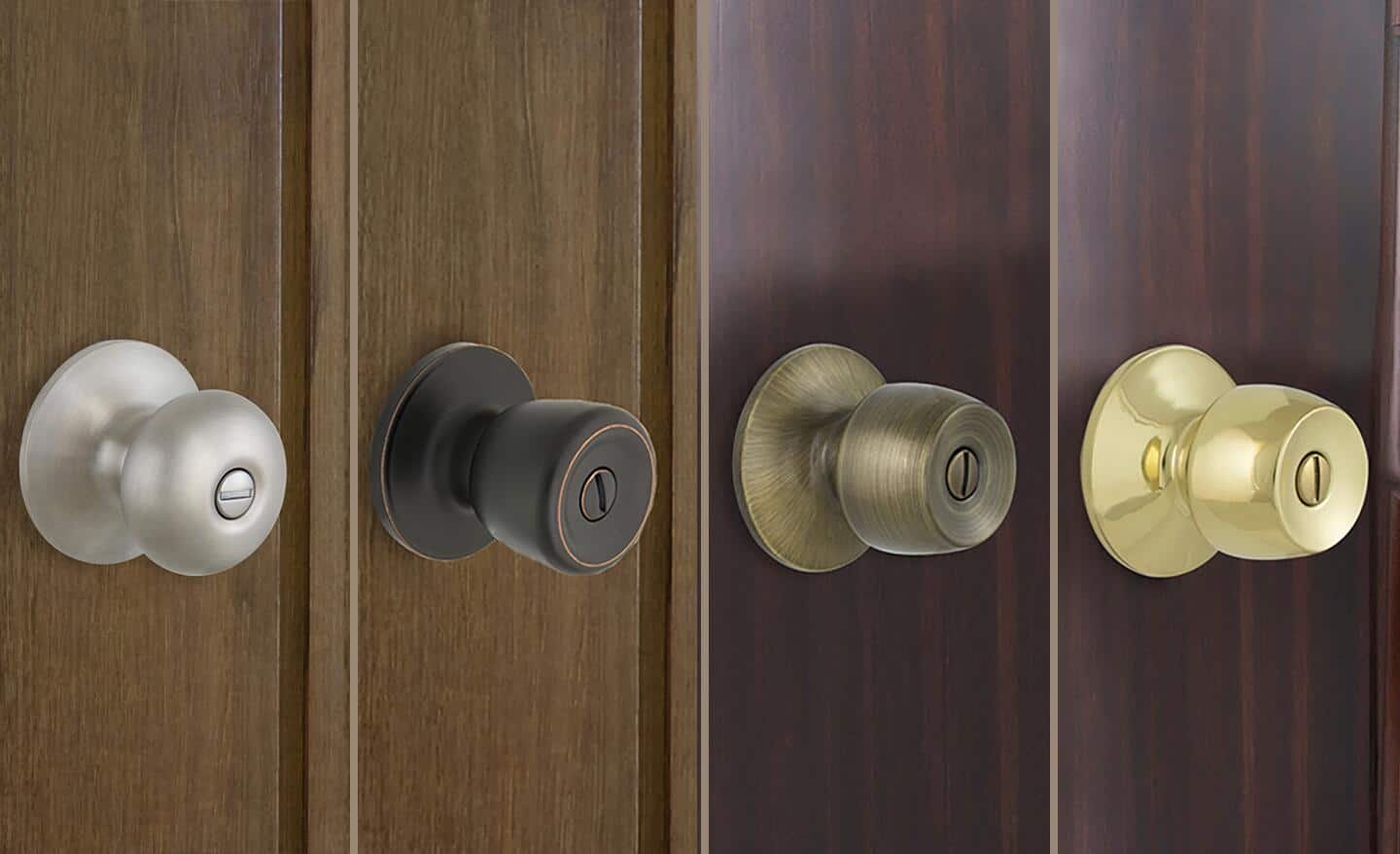
The vast majority of high-end, traditional solid brass door knobs are unsprung. This means there is no internal spring mechanism inside the rose of the knob itself. If you pair an unsprung brass knob with a standard, cheap tubular latch, the knob will feel floppy, fail to return to its original position, and cause the latch bolt to sag over time.
To install unsprung knobs successfully, you must pair them with a heavy-duty, double-spring mortice latch or a traditional horizontal rim lock. The heavy-duty spring inside the lock case does all the mechanical work to pull the heavy solid brass knob back into place.
Sprung Brass Door Knobs
Sprung door knobs contain a small coil spring built directly into the rose (the backplate or collar of the knob). These are much more forgiving and can be paired with standard, lightweight internal tubular latches.
While convenient, sprung knobs tend to have a slightly thicker rose projection to hide the internal coil, which may look less authentic on historic or period-correct restoration projects.
Solid Extruded Brass vs. Cast Brass vs. Brass-Plated Hardware

When comparing prices online, you will find options ranging from £10 to well over £150 per pair. Understanding how these products are manufactured explains this massive price gap and determines how the hardware will perform over decades of daily use.
Solid Extruded or Hot-Stamped Brass
This is the gold standard of architectural ironmongery, used by premium brands like Heritage Brass and From The Anvil. Solid brass is exceptionally heavy, structurally dense, and entirely rustproof.
Because it is solid metal throughout, it can be repeatedly polished, refinished, or left to age naturally without any risk of exposing a base metal beneath. It feels cool to the touch and offers a reassuringly solid, premium weight when turned.
Cast Brass
Cast brass is created by pouring molten metal into sand molds. While still solid brass, cast items can sometimes feature tiny internal air pockets or a slightly textured surface finish before they are polished.
Cast brass is an excellent, durable mid-range option that offers the same rust-resistant properties as extruded brass but at a slightly lower price point.
Brass-Plated Steel or Zinc Alloys
Commonly found in budget DIY stores, these knobs consist of a cheap base metal (like zinc or steel) coated in an incredibly thin layer of brass via electroplating.
While cost-effective for low-traffic interior doors, the thin brass plating will inevitably wear away in high-contact areas, exposing the dull grey metal underneath. Furthermore, if used in damp environments like bathrooms or near external doors, the underlying steel will eventually corrode, causing the plating to bubble and peel.
Expert Note: If you are buying hardware for a coastal property or a bathroom, avoid plated finishes completely. The salt-heavy air and steam will cause micro-scratches in the plating, leading to rapid rust development on the underlying steel. Always invest in solid brass for wet or humid zones.
Demystifying Brass Finishes: Lacquered, Unlacquered, and PVD
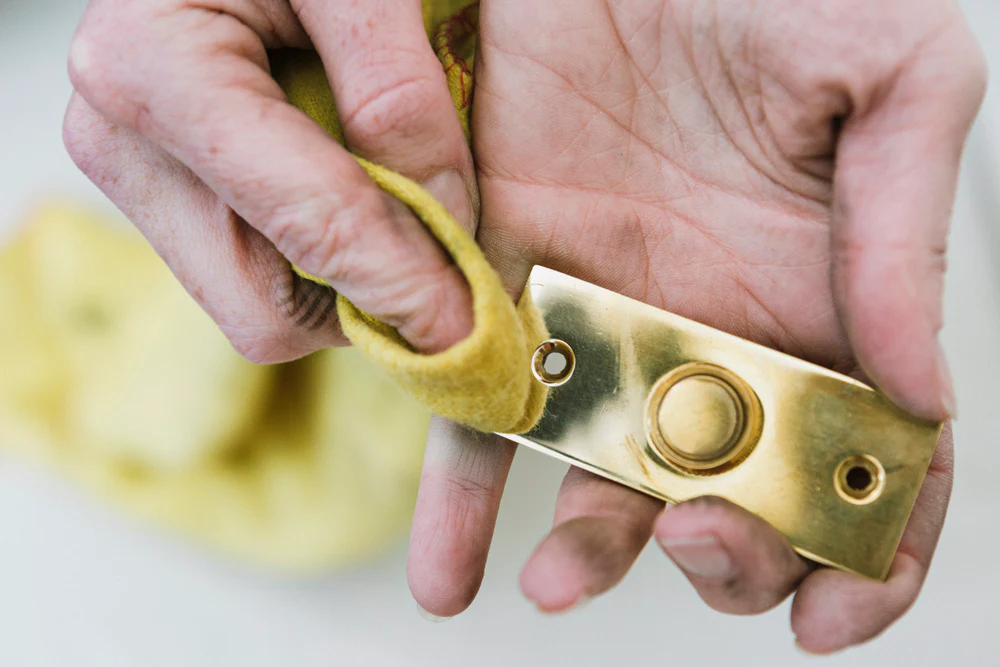
The finish you choose dictates not only the aesthetic of your home but also your weekend maintenance routine. Brass is a highly reactive alloy of copper and zinc, meaning it wants to oxidise when exposed to oxygen and the oils on human hands.
| Finish Type | Visual Appearance | Aging Characteristics | Maintenance Required |
|---|---|---|---|
| Polished Lacquered | Bright, reflective, golden | Remains shiny; protective clear coat prevents oxidation | Very low; occasional wipe with a damp cloth |
| Unlacquered (Living Finish) | Muted gold to deep bronze | Patinates rapidly; darkens in low-touch areas | Optional; can be polished back to bright gold |
| Satin / Brushed | Modern, matte, textured | Diffuses light; hides fingerprints and water spots | Minimal; no polishing required |
| PVD (Physical Vapor Deposition) | High-shine, pristine gold | Virtually indestructible; immune to salt air and scratches | None; ideal for external coastal doors |
Unlacquered Brass: The Living Finish
For purists and historic renovators, unlacquered brass is the ultimate choice. It arrives bright but immediately begins to react with its environment. Over months, touched areas remain bright while untouched recessed areas darken, creating a beautiful, natural depth of character unique to your home.
PVD (Physical Vapor Deposition)
PVD is a state-of-the-art finish where titanium molecules are bonded to the brass in a vacuum chamber. This creates an incredibly hard, tarnish-free surface that is virtually impervious to weather, salt spray, and household cleaning chemicals. It is the premier choice for external front doors in modern or exposed locations.
The Latch Compatibility Blueprint: Getting the Dimensions Right
A beautifully styled door knob can quickly become highly frustrating to use if you do not measure your latches correctly. The most common physical error is known as the “knuckle-scrape” effect.
Because door knobs require you to wrap your entire hand around them to turn, they have a wider profile than flat lever handles. If you use a short, standard 64mm (2.5 inch) latch on your door, the center of the knob sits too close to the door frame. Every time you turn the knob to open the door, your knuckles will scrape against the wooden frame.
                   [==== DOOR FRAME ====]
                          ||
                          ||  <-- Knuckle Scrape Zone!
                       ( KNOB )
                       |  ||  |
                       |  ||  |  <-- Short 64mm Latch
  =====================^==||==^===================== (Door Edge)
To avoid this, always use a latch with a minimum depth of 76mm (3 inch), though a 102mm (4 inch) latch is highly recommended for larger knobs. This pushes the center of the knob further back into the body of the door, giving your hands plenty of clearance to turn the hardware comfortably.
Architectural Alignment: Rose, Backplates, and Privacy Solutions

How you mount your brass door knobs to the door changes both the visual era of the room and the complexity of the installation.
Knobs on a Rose
This is the most versatile configuration, featuring a circular or square collar (the rose) that screws directly into the door face. This style works beautifully in both modern and classic interiors.
When installing these on bathroom doors, they are paired with a separate thumbturn and release mechanism located directly below the knob, keeping the look clean and uncluttered.
Knobs on a Backplate
A traditional backplate combines the knob, keyhole, or bathroom lock into a single, elegant vertical brass plate.
This is incredibly useful for restoration projects where you are replacing old hardware, as the long backplate can easily cover old screw holes, scars, and paint lines left by previous fittings.
Frequently Asked Questions
Do brass door knobs have natural germ-killing properties?
Yes, solid brass is a copper alloy and exhibits the oligodynamic effect. Natural, unlacquered brass can kill bacteria, viruses, and yeasts on its surface within a few hours of contact. However, this property is completely blocked if the brass is covered in a protective clear lacquer or PVD coating.
What is the standard spindle size for UK door knobs?
The standard spindle size for modern UK door locks and latches is 8mm square. Some very old historic rim locks may use a 7mm spindle, so always measure your existing lock cases if you are conducting a historic restoration.
Can I install solid brass door knobs on hollow-core doors?
While possible, it can be quite tricky. Solid brass knobs are heavy and require secure fixing points. Hollow-core doors have very little solid wood inside them. If you must use them, make sure to use “bolt-through” fixings that clamp the roses on both sides of the door to each other, rather than relying on short wood screws that will eventually pull out of the thin veneer.
Why does my unlacquered brass look unevenly tarnished?
This is completely normal for a living finish. Oils from your fingers, moisture in the air, and even household cleaning sprays will cause the brass to oxidize at different rates. If you dislike the uneven look, a quick polish with a specialized brass cleaner will instantly restore its uniform, bright gold appearance.
What is the difference between a mortice knob and a rim knob?
Mortice knobs are designed for doors where the latch mechanism is buried deep inside the door edge. Rim knobs are designed specifically to mount onto a surface-mounted lock box (a rim lock) fixed onto the face of the door, a common sight in Victorian and Georgian homes.
How do I clean lacquered brass without ruining it?
Never use harsh chemical polishes or abrasive pads on lacquered brass, as this will scratch and wear away the protective lacquer, leading to patchy tarnish. Simply wipe them down with a soft, microfiber cloth dampened with warm, soapy water, and dry them thoroughly.
You may also read: A Complete Range of From The Anvil Products for Every Home