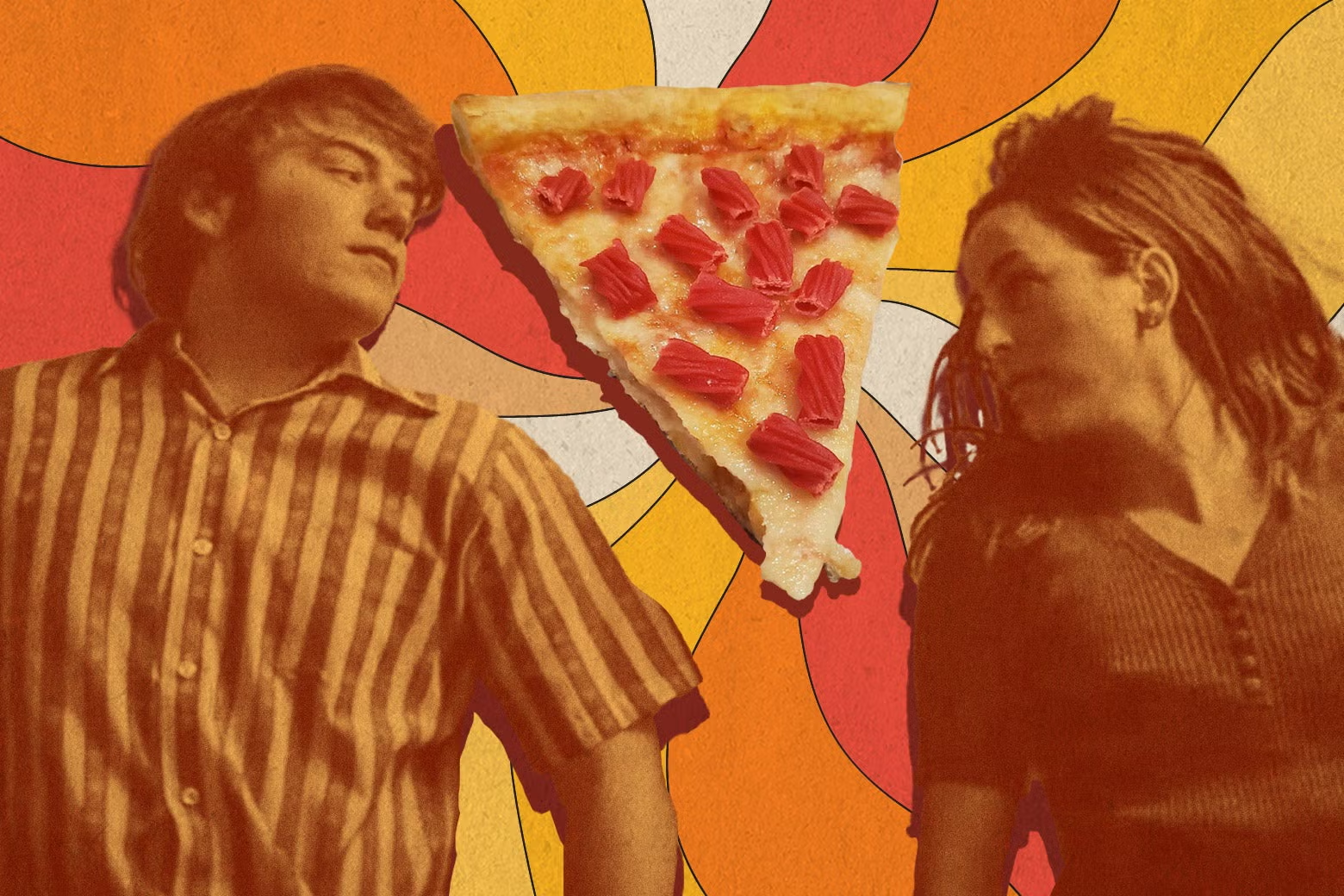
Licorice Pizza is a film that often leaves viewers unsure of what they have just watched. It does not follow a traditional plot, it avoids clear resolutions, and it presents a relationship that many find uncomfortable or confusing. Directed by Paul Thomas Anderson, the film deliberately resists easy explanations, which is why so many people search for a deeper breakdown of what it actually means.
This article explains what Licorice Pizza is about, why the story unfolds the way it does, what the central relationship represents, and how to understand the ending. Rather than offering a simple summary, this explanation focuses on meaning, intent, and interpretation.
What Licorice Pizza Is About
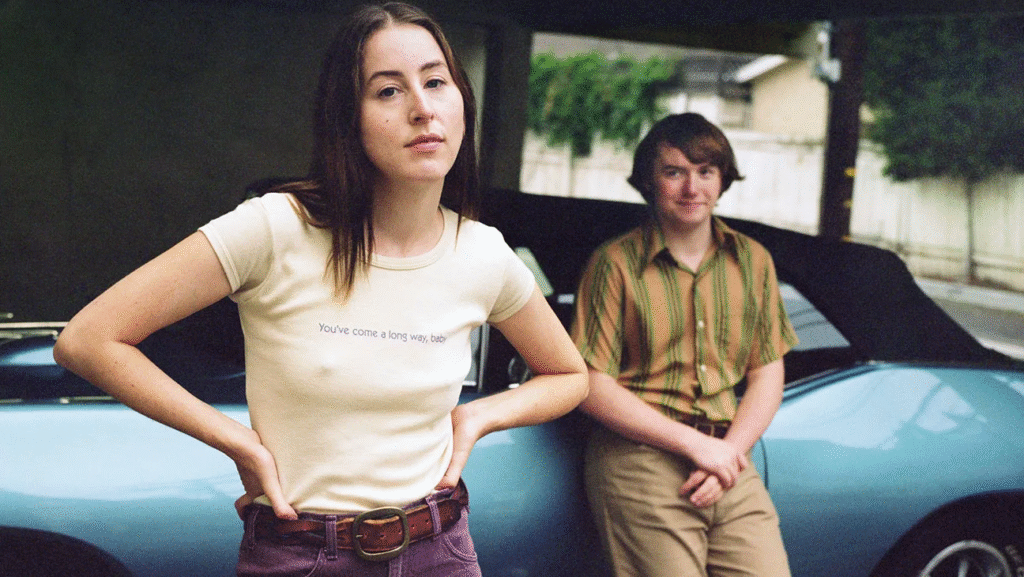
Licorice Pizza is primarily about emotional uncertainty. The film follows Gary Valentine, a confident teenage actor and entrepreneur, and Alana Kane, a woman in her mid-twenties who feels stuck and unsure of her future. Their connection forms not because they are compatible in a traditional sense, but because each reflects something the other lacks.
Gary appears ambitious and fearless, yet he is still a child trying to prove himself in an adult world. Alana is legally an adult, but she feels lost, unfulfilled, and increasingly anxious about falling behind in life. Their relationship exists in the space between those two insecurities.
Rather than telling a conventional love story, the film explores how people gravitate toward one another during moments of instability. The bond between Gary and Alana is emotional rather than romantic in a classic sense, and it is shaped by timing, confusion, and mutual dependence rather than long-term compatibility.
Why the Film Does Not Have a Traditional Plot

One of the most common criticisms of Licorice Pizza is that it feels aimless. This is intentional. The film is structured as a series of episodes rather than a single storyline with a clear goal. Each segment — whether it involves a business idea, a social encounter, or a sudden conflict — stands on its own.
This structure reflects how life often feels when people are young and unsure of themselves. There is no clear path forward, only a succession of attempts, mistakes, and brief successes. The film mirrors that experience by refusing to build toward a single defining moment.
Paul Thomas Anderson presents the story as a collection of memories rather than a narrative with cause-and-effect logic. Events do not always lead to growth or consequences, because the film is less interested in outcomes and more focused on the emotional state of its characters as they move through time.
The Setting and Why the 1970s Matter
The film is set in the San Fernando Valley in the early 1970s, a period marked by economic uncertainty, social change, and cultural transition. This setting is not just aesthetic; it plays an important role in shaping the characters’ behaviour and opportunities.
The era allows Gary to be taken seriously as a businessman despite his age, while Alana exists in a space where expectations for young women are narrow and often limiting. The casual authority of older men, the lack of clear boundaries, and the absence of accountability all reflect the social norms of the time.
By placing the story in this specific moment, the film shows how environment influences identity. The characters are shaped not only by who they are, but by the world they are moving through.
Gary Valentine Explained
Gary Valentine is portrayed as unusually self-assured for someone his age. He speaks confidently, starts businesses, and interacts with adults as though he belongs in their world. However, this confidence is partly performative.
Gary’s ambition masks emotional immaturity. He wants to be seen as grown-up and important, and his attraction to Alana is tied to that desire. Being accepted by someone older validates the version of himself he wants to become.
Despite his energy and optimism, Gary is still impulsive and self-centred. His confidence often prevents him from recognising the emotional impact of his actions on others, including Alana.
Alana Kane Explained

Alana Kane is often misunderstood as the more mature half of the relationship simply because of her age. In reality, she is deeply uncertain about her place in the world. She moves from job to job, struggles to find direction, and feels increasingly anxious about her lack of progress.
Alana is drawn to Gary not because he is younger, but because he offers certainty and purpose. He has plans, ideas, and confidence — qualities she feels she lacks. At the same time, being around someone younger allows her to avoid confronting adult responsibilities and expectations.
Her choices throughout the film reflect internal conflict rather than malice or intent. She is searching for stability, even if the way she goes about it is flawed.
The Age Gap and Why It Is Central to the Film
The age difference between Gary and Alana is meant to feel uncomfortable. The film does not present their connection as ideal or aspirational. Instead, it uses the imbalance to highlight emotional immaturity on both sides.
The relationship remains largely non-physical, focusing instead on emotional dependence and validation. This choice shifts the emphasis away from romance and toward the psychological reasons the characters are drawn to one another.
The discomfort surrounding the age gap is part of the film’s purpose. It forces viewers to question power, maturity, and intention rather than offering clear moral reassurance. The film observes the situation without endorsing it, leaving interpretation to the audience.
Key Moments and What They Represent
Several episodes in the film help clarify its themes. Gary’s business ventures reflect his desire to grow up too quickly and be taken seriously. The interactions with powerful or influential adults show a world where confidence often outweighs ethics or responsibility.
The gas shortage sequence highlights instability and loss of control, particularly for Alana, who briefly takes charge before realising how fragile that control is. The political storyline introduces the idea of image, performance, and hidden truths, reinforcing the theme of people presenting versions of themselves that do not fully align with reality.
Each moment reinforces the idea that the characters are reacting rather than progressing.
The Ending of Licorice Pizza Explained
The final scene shows Gary and Alana running toward each other and sharing a brief moment of connection. This ending is not a declaration of long-term commitment or resolution.
Instead, it represents a moment of emotional alignment. For once, both characters want the same thing at the same time. The film deliberately ends there, without showing what happens next, because the future is uncertain.
The ending suggests that meaning does not always come from permanence. Sometimes it comes from recognising connection in a fleeting moment, even if it cannot last.
Themes of Memory, Performance, and Identity
Licorice Pizza explores how people perform versions of themselves in order to feel secure. Gary performs adulthood. Alana performs confidence. Many supporting characters perform authority or success.
The film treats identity as fluid rather than fixed. People change roles depending on context, opportunity, and fear. Memory plays a role in how these moments are presented, with warmth and nostalgia softening uncomfortable realities.
This combination of affection and unease defines the film’s tone.
Why the Film Divides Audiences
Licorice Pizza divides viewers because it refuses to explain itself. It does not tell audiences what to think or feel, and it avoids clear moral conclusions. Some viewers see this as honest and reflective of real life, while others find it frustrating or irresponsible.
The film rewards viewers who are comfortable with ambiguity and interpretation. Those expecting traditional storytelling or emotional closure may feel dissatisfied.
Conclusion
Licorice Pizza is not designed to provide clear answers. It is a film about uncertainty, emotional dependence, and the confusion of growing up. Its episodic structure, uncomfortable relationship dynamics, and open-ended conclusion are all intentional choices that serve its themes.
Understanding the film requires viewing it not as a romance or a coming-of-age story with a lesson, but as a snapshot of a moment in time when identity is still forming and certainty feels just out of reach.
FAQs
What does the title Licorice Pizza mean?
It’s a 1970s slang term for vinyl records, referencing their black, glossy, pizza-like appearance.
Is there any real pizza in the film Licorice Pizza?
No, the title is metaphorical and doesn’t relate to actual pizza in the plot.
Where can I watch Licorice Pizza in the UK?
The film is available on streaming platforms such as Amazon Prime Video and Apple TV.
Who are the lead actors in Licorice Pizza?
Alana Haim and Cooper Hoffman play the central roles, supported by Bradley Cooper and Sean Penn.
Is Licorice Pizza worth watching?
Yes, especially if you enjoy character-driven films with rich aesthetics and emotional storytelling.
You may also read: How to Choose the Best EV Tariff for Your Needs