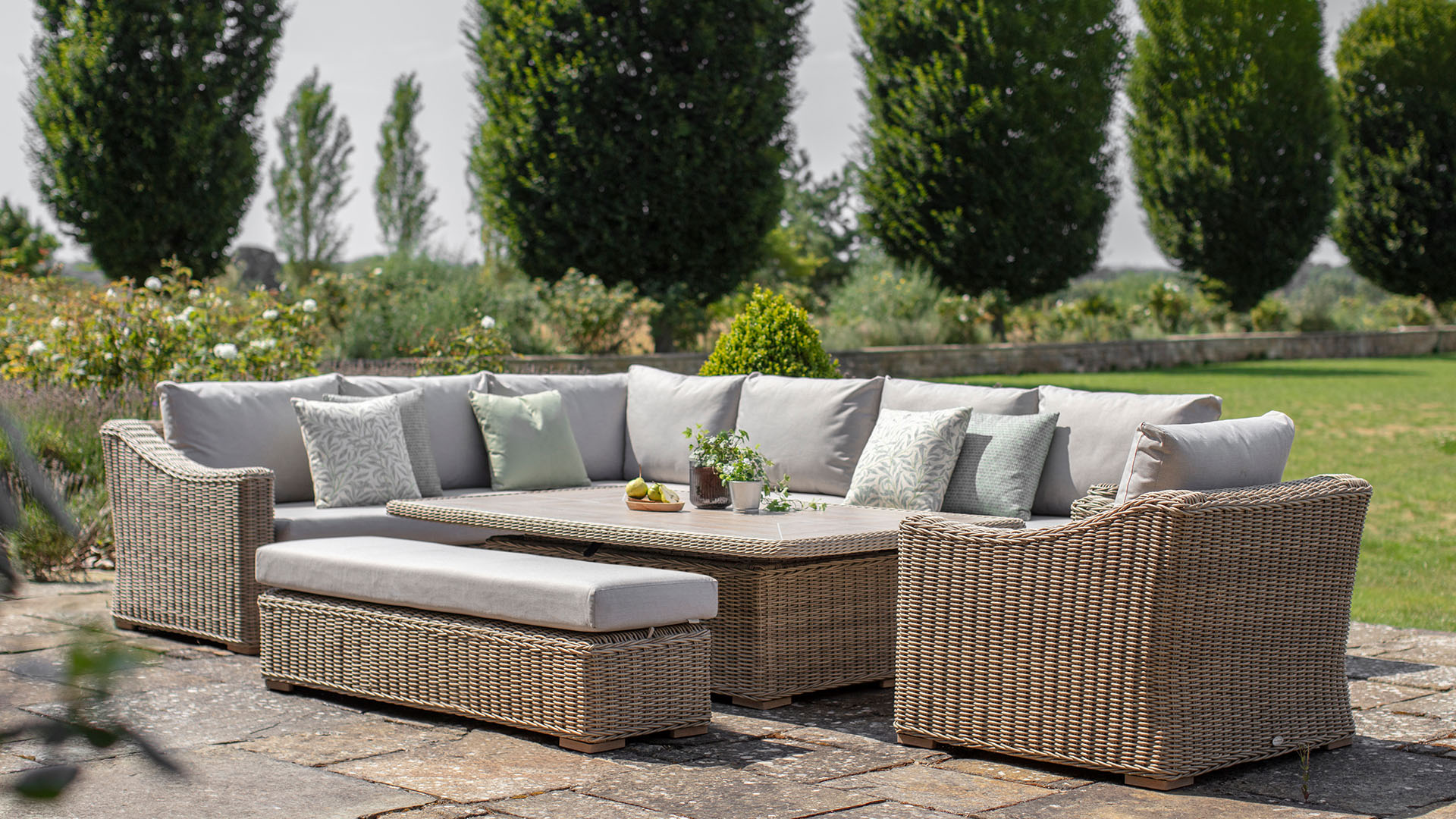
Outdoor living in the UK has quietly shifted in 2026. What used to be a seasonal luxury is now a near year-round habit, driven by warmer shoulder seasons, compact urban living, and a sharp rise in home-focused lifestyles. Garden furniture is no longer optional—it’s central to how people use their homes.
Recent retail data and summer 2026 trends show increased demand for modular seating, weatherproof materials, and space-saving designs, especially as homeowners rethink gardens as functional living areas rather than decorative extras.
Garden furniture plays a central role in how outdoor spaces are used across the UK. From compact balconies to large family gardens, well-chosen outdoor furniture makes it possible to dine, relax, and spend meaningful time outside throughout much of the year. As gardens increasingly function as extensions of the home, the demand for durable, comfortable, and weather-appropriate furniture has grown.
Unlike indoor furniture, garden furniture must cope with rain, fluctuating temperatures, wind exposure, and limited storage. Choosing the right pieces requires more than aesthetic preference. It involves understanding materials, layouts, maintenance needs, and how different designs perform in real UK conditions.
What Garden Furniture Includes and How It Is Used
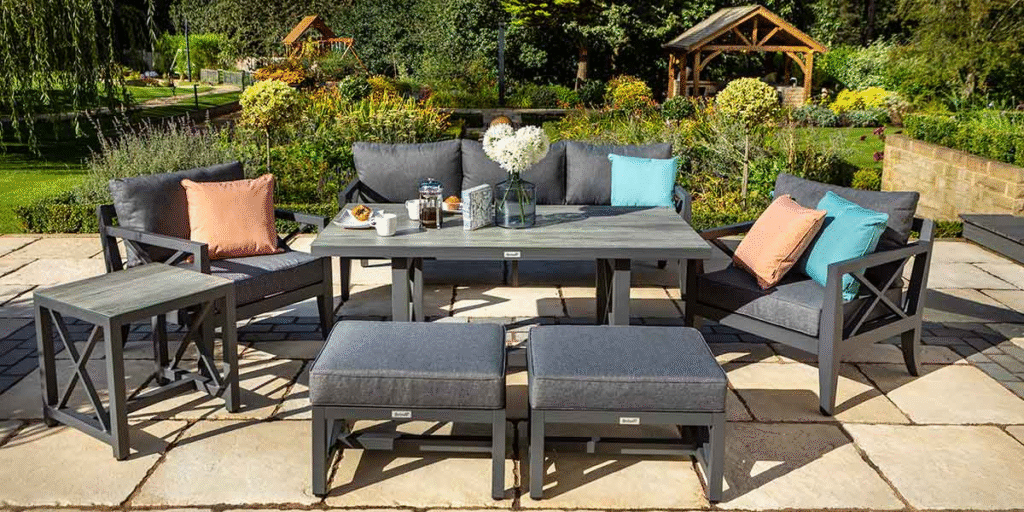
Garden furniture refers to outdoor seating, tables, and supporting pieces designed specifically for exterior use. Common items include dining tables and chairs, outdoor sofas, corner seating, loungers, benches, and compact bistro sets. These pieces are typically arranged to support activities such as outdoor dining, casual relaxation, or entertaining guests.
In many households, garden furniture is used daily during warmer months and intermittently during spring and autumn. Because of this regular use, comfort and stability matter just as much as appearance. Furniture that looks appealing but lacks proper support or durability often becomes impractical over time.
One of the most appealing aspects of shopping for garden furniture is the variety of materials and styles available. Wooden furniture, especially oak, offers a warm, natural appearance and can last for decades with proper care. High-quality oak furniture from established UK retailers continues to be a popular choice for homeowners seeking a timeless outdoor look.
Types of Garden Furniture for Different Needs
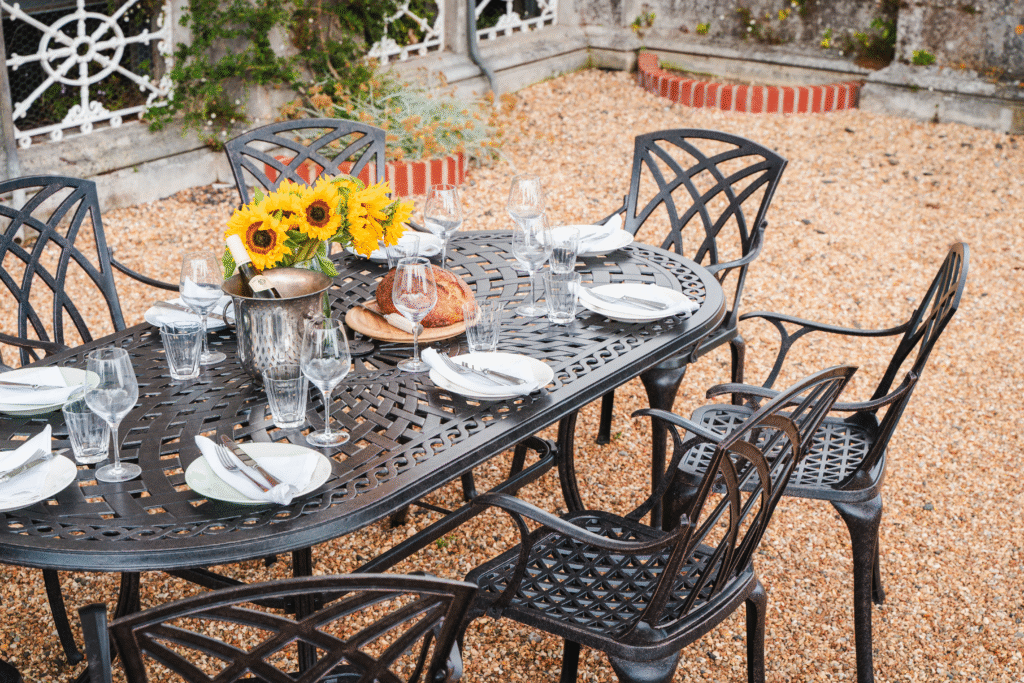
Different types of garden furniture serve different purposes. Dining sets are designed for meals and social gatherings, usually consisting of a table and multiple chairs. They are available in various sizes, from small two-seat arrangements to larger sets suitable for families and guests.
Lounge furniture prioritises comfort and is commonly used for relaxing rather than eating. Outdoor sofas, armchairs, and corner sets create informal seating areas and are often paired with low tables. Sun loungers and daybeds are designed for extended reclining and remain popular in gardens and patios with strong sun exposure.
2026 Trend: Hybrid Furniture
A noticeable shift this year is the rise of hybrid furniture—pieces designed for both dining and lounging. Adjustable-height tables and deep-cushion seating allow homeowners to switch between casual relaxation and formal dining without needing separate setups.
Choosing the Right Materials for UK Conditions
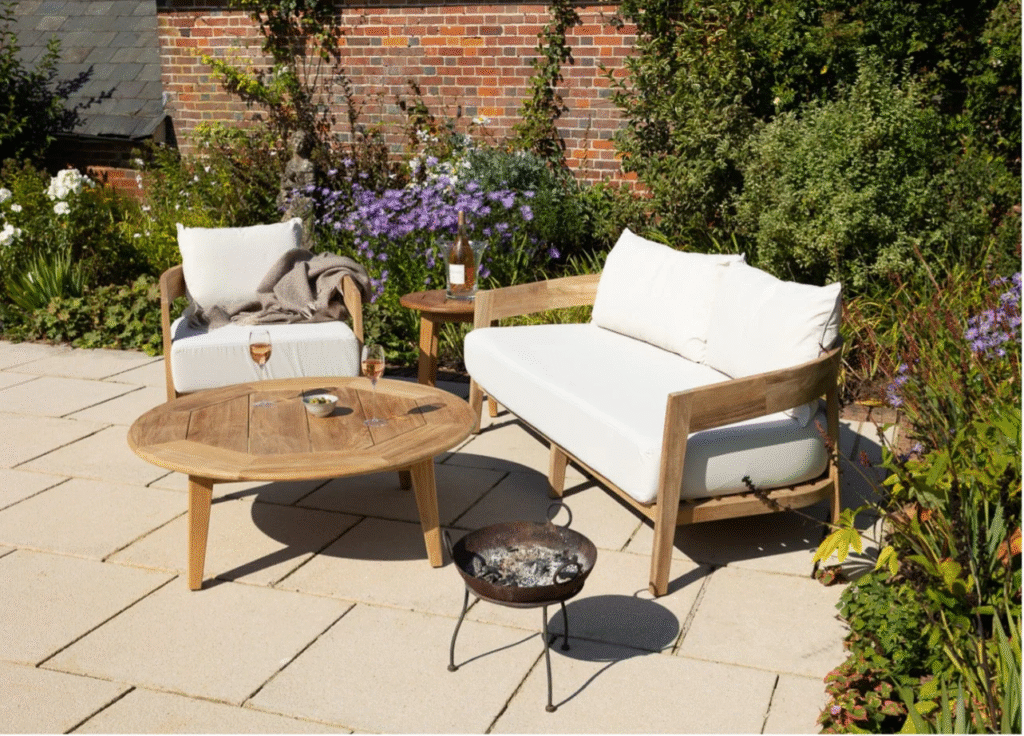
Material choice remains one of the most important factors when selecting garden furniture. Wooden garden furniture is valued for its natural appearance and solid feel. Hardwoods such as teak and oak are commonly used outdoors because they resist moisture better than softer woods when properly treated.
Rattan-style garden furniture, typically made from synthetic weave rather than natural rattan, is widely used in the UK. It offers a balance between appearance and practicality, as it is lightweight, resistant to UV damage, and easy to clean. Aluminium and powder-coated metal furniture are increasingly popular due to their durability and low maintenance requirements.
2026 Update: Weather-Resistant Innovation
Manufacturers are now focusing heavily on all-weather fabrics and quick-dry foam technology. These materials allow cushions to remain outside during light rain without absorbing excessive moisture, reducing the need for constant storage.
Garden Furniture for Small Gardens and Balconies
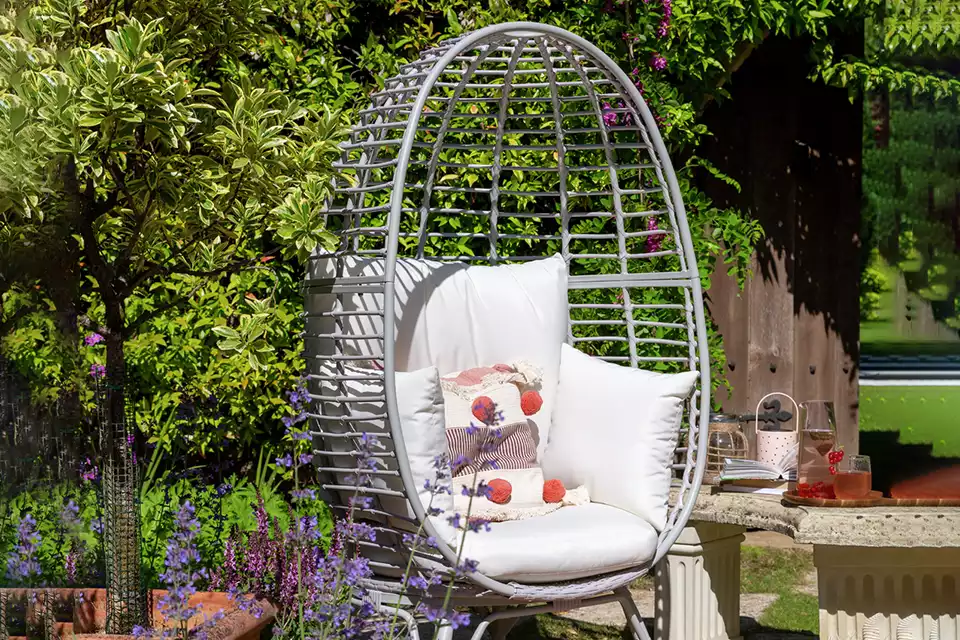
Limited space requires careful planning. Garden furniture for balconies and small patios should prioritise compact size, flexibility, and ease of storage. Bistro tables, folding chairs, and stackable seating allow outdoor areas to remain functional without becoming overcrowded.
Multi-use furniture is especially valuable in smaller spaces. Storage benches, nesting tables, and fold-away dining sets help maximise available space while keeping outdoor areas organised. Measuring the space accurately before purchasing furniture is essential to avoid blocking access points or walkways.
Urban Living Shift (2026)
With more UK residents living in flats and smaller homes, balcony-friendly furniture sales have surged this year, particularly foldable and vertical storage designs.
Garden Furniture for Larger Outdoor Spaces
Larger gardens allow for more complex layouts and multiple seating zones. Dining areas, lounging sections, and quiet corners can coexist when furniture is arranged thoughtfully. Modular garden furniture is particularly useful in these settings, as it can be rearranged to suit different occasions.
When furnishing a large space, scale is important. Furniture should be proportionate to the area to avoid a sparse or cluttered appearance. Combining different furniture types, such as a dining set and a lounge area, creates variety while maintaining functionality.
How Garden Furniture Performs in the UK Climate
The UK climate presents specific challenges for outdoor furniture. Frequent rainfall, high humidity, and seasonal frost mean that materials must be chosen carefully. Furniture designed for outdoor use should feature rust-resistant frames, water-repellent fabrics, and finishes that withstand prolonged exposure to moisture.
Cushions are particularly vulnerable to damp and mildew if left outside. Even quick-dry fabrics benefit from indoor storage during prolonged wet periods. Using breathable waterproof covers and allowing air circulation helps prevent condensation and extends the life of the furniture.
Summer 2026 Weather Impact
This year’s mixed weather patterns—heatwaves followed by sudden heavy rain—have reinforced the need for adaptable, weatherproof furniture setups, including protective covers and flexible storage solutions.
How to Judge the Quality of Garden Furniture
Quality garden furniture is defined by more than appearance. Strong frames, secure joints, and well-finished surfaces indicate durability. For wooden furniture, tightly fitted joints and smooth, sealed surfaces reduce the risk of water penetration. For metal furniture, consistent coatings and reinforced welds improve longevity.
Comfort should also be assessed carefully. Seating depth, back support, and cushion density all affect how suitable furniture is for extended use. Garden furniture that is uncomfortable quickly loses its value, regardless of how durable it may be.
Planning a Garden Furniture Layout
Planning a layout before buying furniture helps avoid common mistakes. Measuring the available space, accounting for doors and pathways, and allowing enough room to move around tables and chairs ensures the furniture will be practical once installed.
Dividing an outdoor area into zones improves usability. A dining area placed near the house, a lounge area further into the garden, and a quiet corner for reading or relaxing create a balanced and functional space. Thoughtful placement also helps furniture feel integrated rather than randomly arranged.
Caring for Garden Furniture Throughout the Year
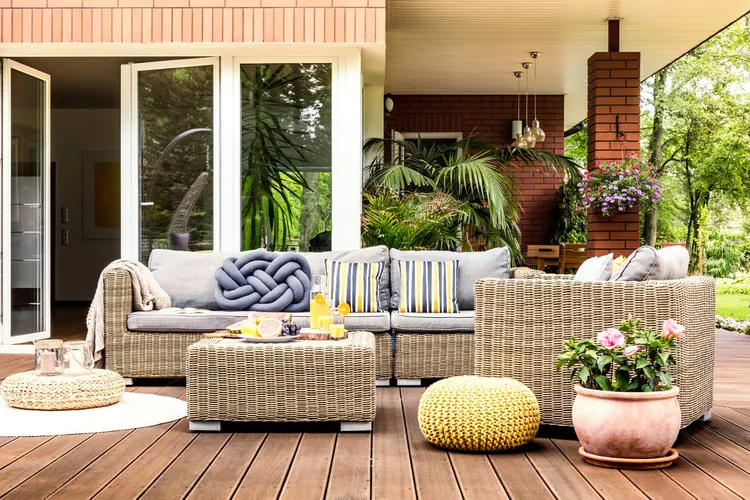
Regular care keeps garden furniture in good condition and extends its lifespan. Wooden furniture benefits from periodic oiling or sealing to maintain its appearance and protect against moisture. Metal furniture should be checked for chips or scratches in the coating, which can be treated early to prevent rust.
Cleaning furniture regularly prevents the build-up of dirt and algae, especially in shaded areas. Cushions should be dried thoroughly before storage, and covers should be removed occasionally to allow ventilation. Seasonal maintenance routines reduce long-term wear and keep furniture looking presentable.
2026 Maintenance Tip
Many homeowners are now switching to low-maintenance furniture setups, reducing the need for frequent treatments and making outdoor living more convenient.
When to Buy Garden Furniture
Garden furniture is available year-round, but availability and pricing vary by season. Spring and early summer typically offer the widest selection, while late summer and autumn often provide opportunities to purchase at reduced prices.
Buying outside peak season allows more time to plan and compare options. It also reduces the risk of settling for unsuitable furniture due to limited availability during high-demand periods.
Current Market Insight (August 2026)
Retailers are already beginning late-summer clearance cycles, making this one of the best times to secure high-quality pieces at reduced prices before autumn stock transitions begin.
The Long-Term Value of Good Garden Furniture
Well-chosen garden furniture adds lasting value to a home by improving how outdoor space is used. It encourages more time spent outside and supports a wide range of activities, from family meals to quiet relaxation.
By focusing on durability, comfort, and suitability for the UK climate, garden furniture becomes a long-term investment rather than a short-term purchase. Thoughtful selection ensures that outdoor spaces remain usable and enjoyable for many years.
Conclusion
Garden furniture continues to shape how outdoor living evolves across the UK. In 2026, the focus has shifted towards flexibility, durability, and year-round usability, reflecting how essential these spaces have become.
Whether furnishing a small balcony or a large garden, the right choices improve comfort, usability, and overall enjoyment of the space. With careful planning and informed decisions, garden furniture can transform any outdoor area into a practical and welcoming extension of the home.
You may also read:
Celebrated Beers and Collectibles
dehumidifier