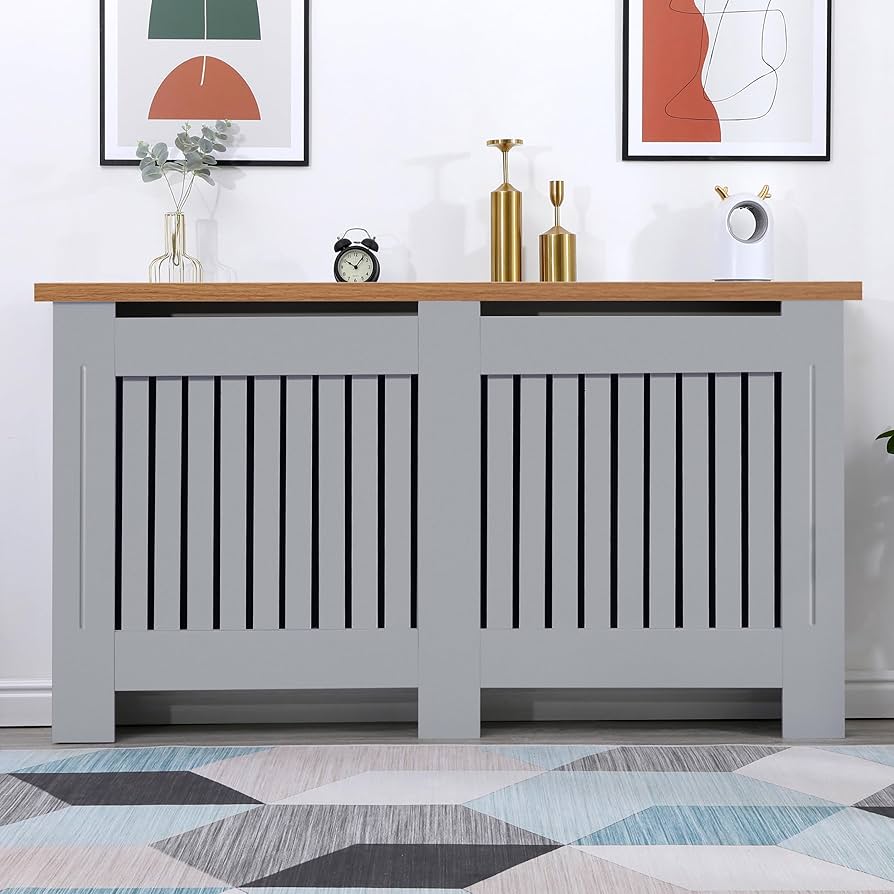
Radiator covers are no longer just decorative additions. In many UK homes, they have become functional pieces that help manage space, improve safety, and bring visual balance to rooms where radiators would otherwise dominate the wall. From narrow hallways in terraced houses to modern open-plan living spaces, a well-chosen radiator cover can make a noticeable difference to how a room looks and feels.
Choosing the right radiator cover is not simply about appearance. Size, ventilation, material, and room placement all influence how well a cover performs in everyday use. This guide explains radiator covers in practical terms, helping you understand what works, what to avoid, and how to choose a solution that suits your home without compromising comfort or heating performance.
What Radiator Covers Are and Their Purpose in the Home
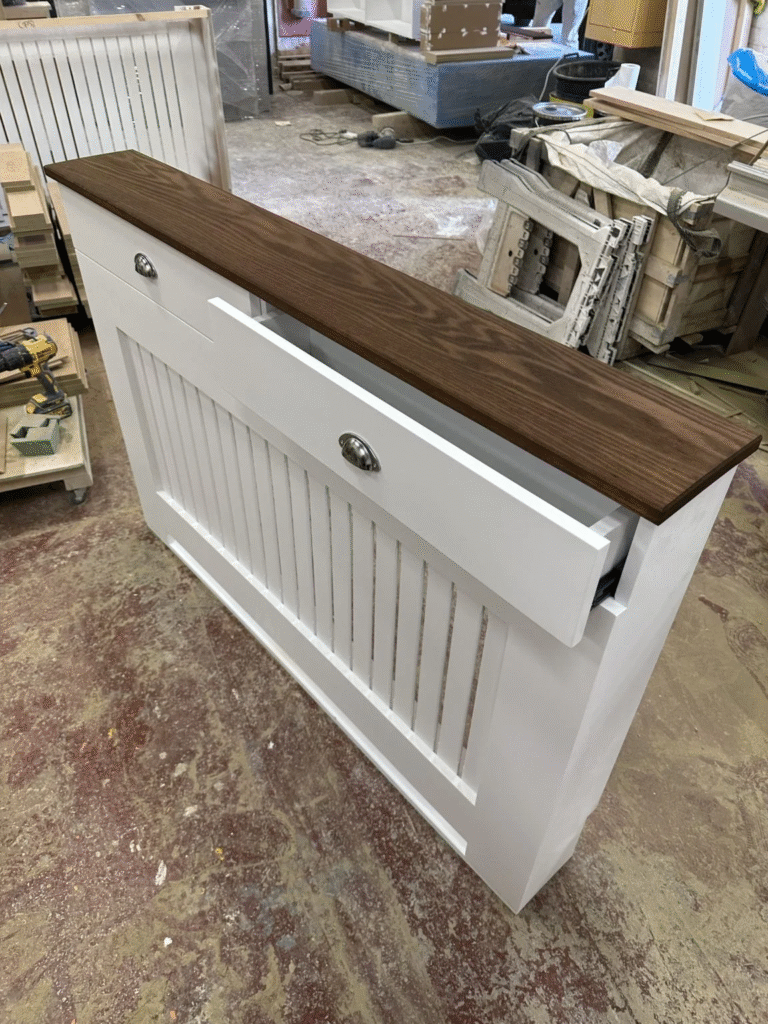
A radiator cover is a structure designed to sit over an existing radiator, concealing it while allowing heat to circulate into the room. Most covers are freestanding or wall-fixed and are manufactured with ventilation panels, slats, or grilles that enable airflow. In UK homes, radiator covers are commonly used to improve visual consistency, especially where older radiators clash with updated interiors.
Beyond appearance, radiator covers are often chosen for safety and organisation. Exposed radiators and pipework can become very hot during winter, and covers reduce the risk of accidental contact, particularly in family homes. They also help hide valves, pipes, and wall fixings, creating a cleaner and more intentional finish without altering the heating system itself.
Types of Radiator Covers Available in the UK
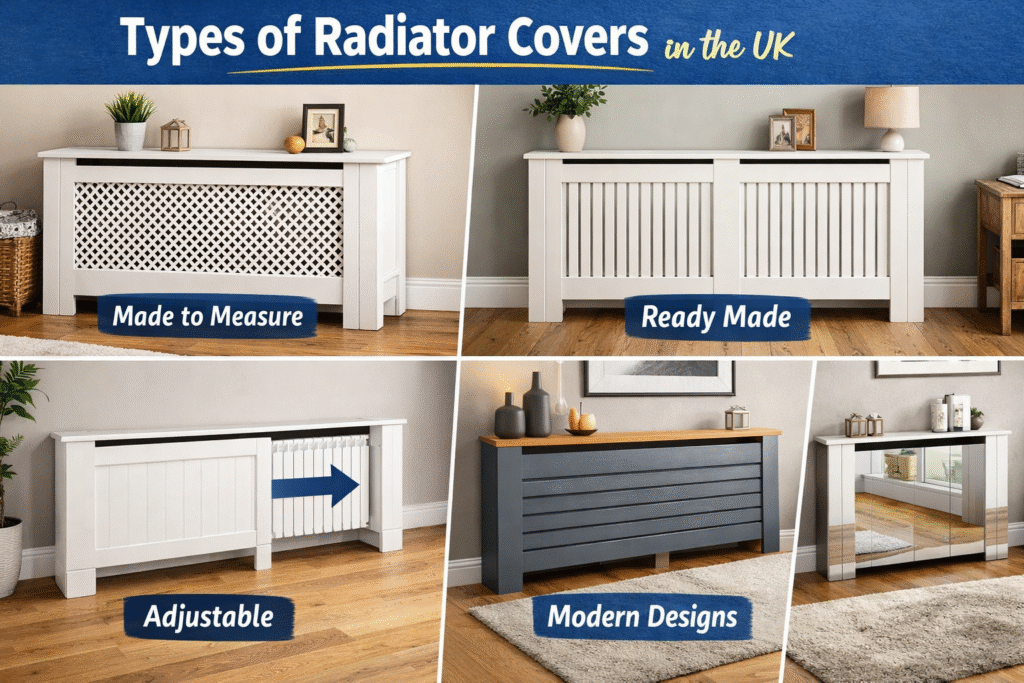
Radiator covers are available in several formats, each suited to different situations. Made-to-measure radiator covers are built to exact dimensions and are often chosen for period properties, alcoves, or non-standard radiator sizes. This option provides the best fit and visual integration but usually comes with a longer lead time.
Ready-made radiator covers are produced in standard size ranges such as small, medium, large, and extra-large. These are widely available and suit most modern radiators. Adjustable radiator covers offer flexibility by extending across a range of widths, making them useful where measurements fall between standard sizes or where future changes are likely. Style options include vertical slats, cross grilles, shaker designs, mirrored fronts, and covers with integrated shelves or drawers.
How to Choose the Right Radiator Cover
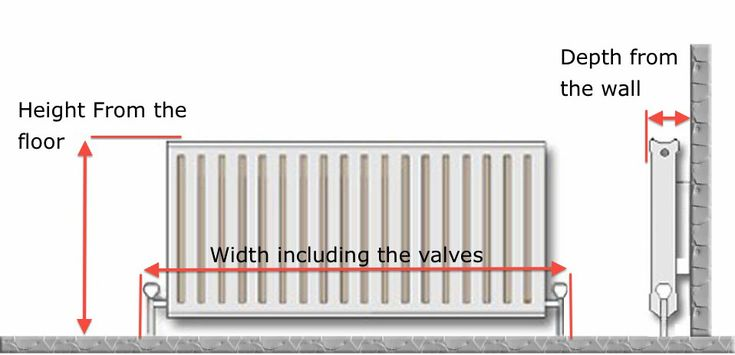
Choosing a radiator cover starts with accurate measurement. The height, width, and depth of the radiator must be measured carefully, including allowances for valves, pipework, and airflow. A cover should always be slightly larger than the radiator itself to prevent heat from being trapped. Many fitting issues and returns occur because this clearance is overlooked.
Design choice should be guided by both room function and available space. In narrow areas such as hallways, slim radiator covers or floating designs help maintain clear walkways. In living rooms, deeper covers with shelves can double as display surfaces. It is also important to consider access to thermostatic radiator valves, which should remain easy to reach after installation.
Materials Used in Radiator Covers
MDF is the most common material used for radiator covers in the UK. It offers a smooth painted finish, consistent quality, and good resistance to everyday heat when designed correctly. MDF covers are easy to repaint, making them suitable for homes where décor changes over time.
Solid wood radiator covers provide a more natural appearance and are often chosen for traditional interiors. They tend to be heavier and more expensive but can add warmth and character to a room. Metal radiator covers are less common in residential settings but are sometimes used for contemporary or industrial interiors. When choosing a material, durability, finish quality, and ventilation design are more important than appearance alone.
Do Radiator Covers Affect Heat Output?
Radiator covers can affect heat output if they are poorly designed or incorrectly fitted. Covers that lack ventilation, sit too close to the radiator, or block airflow at the bottom can restrict convection and reduce room warmth. This is why modern radiator covers are typically manufactured with front grilles and open tops or rear gaps.
When a cover is properly ventilated and sized correctly, any reduction in heat is usually minimal. In some layouts, a cover can help guide warm air forward into the room rather than allowing it to rise directly behind curtains or furniture. Heat performance depends on design, clearance, and room layout rather than the presence of a cover alone.
Radiator Covers and Safety Considerations
One of the main reasons homeowners choose radiator covers is to improve safety. Radiators can reach high surface temperatures, and covers reduce direct contact with hot metal and exposed pipes. This is particularly relevant in homes with young children, elderly residents, or pets.
Safety depends on proper installation. A radiator cover should be securely fixed or stable enough not to tip forward. Ventilation openings should remain unobstructed, and items placed on shelves should not block airflow or create heat build-up. Radiator covers are a safety aid, not a replacement for supervision, and should always allow access to temperature controls.
Radiator Covers vs Radiator Guards
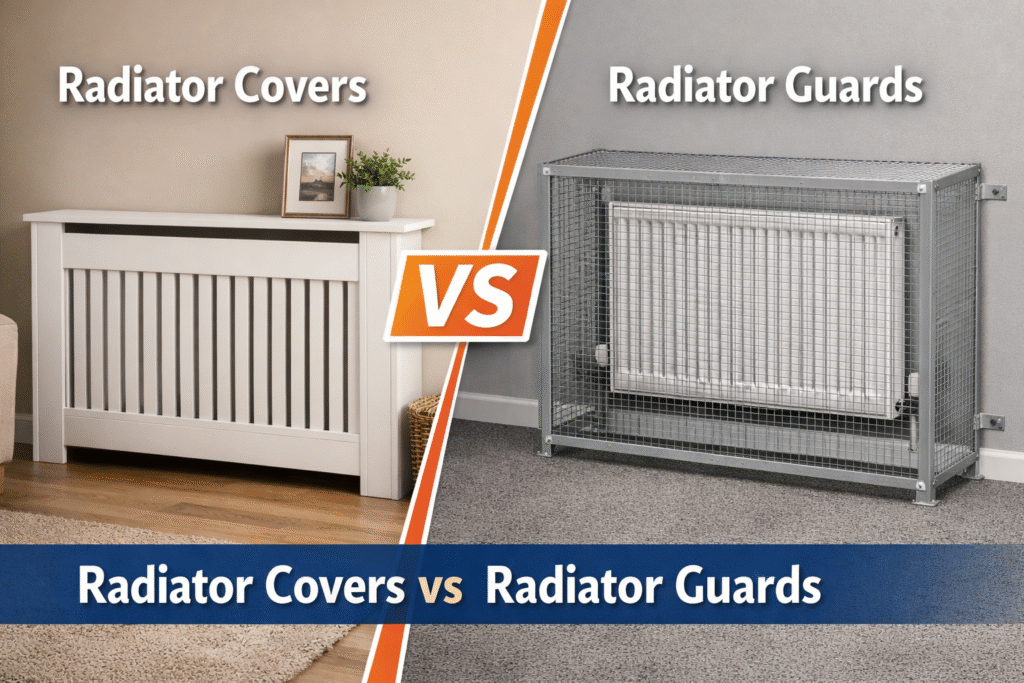
Radiator covers and radiator guards serve different purposes. Radiator covers are primarily decorative and are designed for domestic settings where appearance matters. Radiator guards are usually constructed from metal mesh and are designed for environments such as schools, care homes, and public buildings where preventing prolonged contact is essential.
In most UK homes, a well-designed radiator cover offers sufficient protection without significantly affecting heat performance. Where strict safety standards are required, a radiator guard may be more appropriate. Understanding the difference helps homeowners choose a solution that matches their environment and priorities.
Using Radiator Covers in Different Rooms
In hallways, radiator covers help reduce visual clutter and can provide a useful surface for small items without narrowing the space. Slim designs or floating covers work best where width is limited. In living rooms, larger radiator covers with shelves or storage can act as subtle furniture pieces while maintaining heat circulation.
Bedrooms often benefit from simple designs that allow quiet operation and easy cleaning. In bathrooms, radiator covers are less common due to moisture, but towel radiator covers or guards may be used where appropriate. Choosing a design based on room function ensures the cover adds value rather than creating inconvenience.
Installation and Maintenance
Most radiator covers are designed for straightforward installation using basic tools. Wall-fixed covers should be installed according to the manufacturer’s instructions, ensuring correct clearances and secure fixings. Freestanding covers should sit level and stable against the wall without pressing directly against the radiator.
Maintenance is simple. Regular dusting prevents build-up in ventilation panels, and occasional wiping keeps surfaces clean. Painted covers may require repainting over time, especially in high-traffic areas. Keeping vents clear is essential to maintain airflow and heating efficiency.
What UK Buyers Should Expect When Purchasing Radiator Covers
UK buyers typically look for clear measuring guidance, realistic delivery times, and durable finishes. Made-to-measure covers usually involve longer lead times, while standard and adjustable options are often available for faster delivery. Understanding these differences helps manage expectations and avoid frustration.
Price varies depending on size, material, and construction method. Budget covers can suit short-term needs, while higher-quality options often provide better longevity and finish. Choosing based on use, room placement, and long-term value is usually more effective than focusing on price alone.
Conclusion
Radiator covers can enhance both the appearance and usability of a home when chosen carefully. By selecting the right size, ensuring proper ventilation, and matching the design to each room’s needs, homeowners can improve safety and aesthetics without significantly affecting heating performance.
Whether you choose a made-to-measure design, an adjustable option, or a standard radiator cover, careful measurement and thoughtful placement are key. With the right approach, radiator covers become practical additions that support comfort, organisation, and visual balance throughout the home.
Frequently Asked Questions
Do radiator covers block heat?
Radiator covers can restrict heat if they lack ventilation or are fitted too tightly. Well-designed covers with adequate airflow usually have minimal impact.
How do I measure for a radiator cover?
Measure the radiator’s height, width, and depth, then add clearance for valves, pipes, and airflow. The cover should always be slightly larger than the radiator.
Are radiator covers suitable for all rooms?
Radiator covers work well in most rooms, but design choice should reflect space, moisture levels, and access to controls.
Can radiator covers be repainted?
Most MDF and wooden radiator covers can be repainted using suitable paint, allowing them to match changes in décor.
What is the difference between adjustable and made-to-measure radiator covers?
Adjustable covers fit a range of widths, while made-to-measure covers are built to exact dimensions for a precise fit.
You may also read: Where to Buy Garden Furniture in the UK