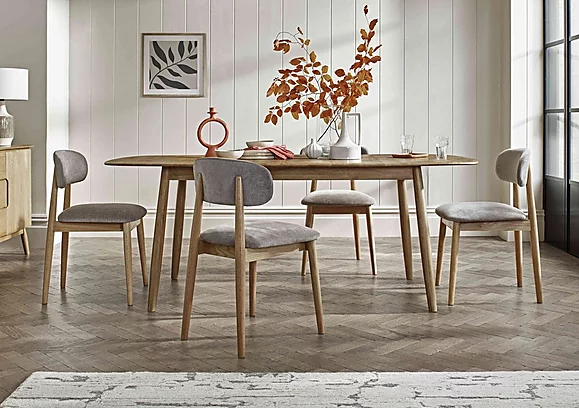
A dining table is one of the most frequently used pieces of furniture in a home, yet it is often chosen without enough practical consideration. Beyond appearance, a dining table affects how comfortably people sit, move, work, eat, and socialise. The right choice supports daily routines as well as special occasions, while the wrong one can quickly become frustrating or impractical.
This guide is written to help you make a confident, well-informed decision. Rather than focusing only on styles or trends, it explains how size, shape, materials, and layout interact with real homes and real lifestyles. Whether you live in a compact flat or a larger family home, the aim is to help you choose a dining table that genuinely works for your space.
How a Dining Table Is Used in Modern Homes
In many homes, the dining table is no longer used only for meals. It often doubles as a workspace, homework area, craft surface, or gathering point throughout the day. Because of this, durability, comfort, and proportions matter just as much as visual appeal.
A well-chosen dining table supports long periods of sitting without discomfort and offers enough surface space for different activities. Thinking about how often the table will be used, and by how many people, helps narrow down the most suitable options. A table that fits your lifestyle will feel natural to use rather than something you constantly have to work around.
Choosing the Right Dining Table Shape
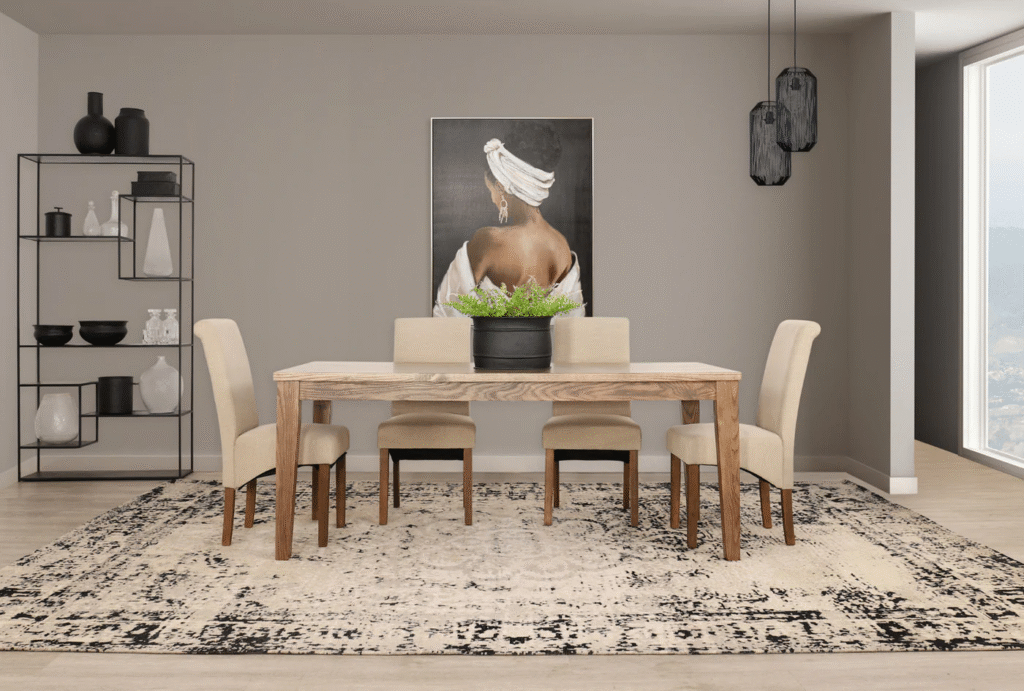
The shape of a dining table has a direct impact on how people move around the room and interact with one another. Rectangular tables remain the most common choice because they fit neatly into longer rooms and provide clear seating positions. They are practical for families and for anyone who regularly hosts guests.
Round and oval dining tables are often better suited to smaller or more open spaces. Without sharp corners, they allow easier movement and create a more relaxed seating arrangement. Square tables can work well in compact kitchens or dining nooks, especially where seating needs are limited. Choosing the right shape helps the room feel balanced rather than crowded.
Fixed or Extendable Dining Tables
Fixed dining tables are a good option for households with consistent seating needs. They are straightforward, sturdy, and visually simple, which suits modern and minimalist interiors. Because there are no moving parts, they tend to feel solid and require less long-term maintenance.
Extendable dining tables offer flexibility, which is particularly valuable in homes where space is limited. They allow you to keep the table compact for everyday use while still being able to seat extra guests when needed. When choosing an extendable table, it is important to measure both the closed and fully extended size to ensure it fits comfortably in all situations.
Dining Table Size and Room Measurements
 | 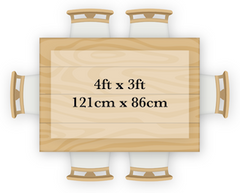 |
| 3 foot table with 4 chairs | 4 foot table with 6 chairs |
 |  |
| 5 foot table with 6 chairs | 6 foot table with 8 chairs |
 |
| 8 foot table with 10 chairs |
 |
| 10 foot table with 12 chairs |
Getting the size right is one of the most important steps when choosing a dining table. A table that is too large can dominate the room and restrict movement, while one that is too small may feel impractical. As a general guideline, you should allow at least 90 cm of clear space around the table so chairs can be pulled out easily.
Seating capacity also needs careful consideration. Each person typically requires around 60 cm of table width to sit comfortably. For example, a table seating six people usually needs to be around 180 cm long. Marking the table’s footprint on the floor with tape is a simple way to visualise whether it will fit before making a purchase.
Dining Table Height and Seating Comfort
Most dining tables are approximately 75 cm high, which suits standard dining chairs. However, comfort depends on the relationship between table height and chair seat height. If the gap between the seat and tabletop is too small or too large, sitting for extended periods can become uncomfortable.
Allowing roughly 25 to 30 cm between the chair seat and the underside of the table provides good legroom and arm positioning. This is especially important if you plan to mix different chairs with one table. Taking these measurements into account helps ensure the table feels comfortable for everyday use, not just visually appealing.
Choosing the Best Dining Table Material
Material choice affects durability, maintenance, and the overall feel of the dining space. Solid wood dining tables are popular because they are strong, long-lasting, and age well over time. Woods such as oak and walnut offer natural character and can withstand daily use when properly cared for.
Glass and stone-effect tables suit contemporary interiors and can make smaller rooms feel lighter. However, they often require more regular cleaning and care. Ceramic and composite surfaces provide a balance between style and practicality, offering resistance to heat and scratches. The best material is one that fits your household’s daily habits rather than just current trends.
Dining Table Styles and Interior Compatibility
A dining table should complement the surrounding space rather than compete with it. In modern homes, tables with clean lines and understated finishes blend well without overwhelming the room. These designs work particularly well in open-plan layouts.
Traditional or rustic interiors often suit solid wood tables with visible grain and natural finishes. Industrial styles combine wood with metal elements for a more robust look. Choosing a dining table that matches the overall tone of your home creates visual consistency and makes the space feel intentional rather than pieced together.
Practical Considerations for Families and Shared Homes
Households with children or frequent guests need to prioritise practicality. Rounded edges, stable construction, and easy-to-clean surfaces reduce everyday stress and extend the life of the table. Solid materials tend to cope better with frequent use than lightweight alternatives.
In shared homes or rented properties, flexibility is often more important. Extendable tables or compact designs allow the space to adapt to different needs. Thinking ahead about how the table will be used over time helps avoid the need for early replacement.
Common Dining Table Buying Mistakes
One of the most common mistakes is choosing a dining table based only on appearance. A table may look ideal in a showroom but feel too large or uncomfortable once placed in a real room. Ignoring measurements often leads to cramped layouts and poor circulation.
Another mistake is overlooking seating comfort. Table height, leg placement, and chair compatibility all affect how usable the table is. Taking time to assess these details before buying leads to a far more satisfying long-term result.
Caring for Your Dining Table
Proper care helps a dining table remain in good condition for years. Wooden tables benefit from regular dusting and protection from heat and moisture. Using mats and coasters reduces surface wear and prevents long-term damage.
Glass and stone-effect tables should be cleaned with appropriate products to avoid streaks or surface damage. Promptly wiping spills and avoiding abrasive materials preserves their finish. Consistent care ensures the table remains both functional and attractive.
Buying a Dining Table Online or In Store
Buying in store allows you to assess build quality, size, and comfort in person. This can be especially helpful if you are unsure about proportions or finishes. Online shopping offers convenience and a wider range of options but requires careful attention to measurements and specifications.
Before purchasing, it is important to review delivery terms, return policies, and assembly requirements. Checking these details helps avoid issues after the table arrives and ensures a smoother buying experience.
Conclusion
Choosing the right dining table involves balancing appearance, comfort, and practicality. By carefully considering size, shape, material, and how the table will be used, you can select an option that fits naturally into your home and daily life. A well-chosen dining table supports everyday routines and creates a welcoming space for years to come.
FAQs
What dining table size is best for a small room?
A compact round or extendable dining table often works best in smaller spaces, as it allows better movement and flexibility.
How much space should be left around a dining table?
Ideally, allow at least 90 cm of clearance on all sides so chairs can be used comfortably.
Is an extendable dining table practical for daily use?
Yes, many extendable tables are designed to be used closed every day and extended only when needed.
Which dining table material is easiest to maintain?
Ceramic and composite surfaces are generally low maintenance, while solid wood requires more care but offers longevity.
Can I mix different chairs with one dining table?
Yes, as long as chair height and arm clearance are compatible with the table.
You may also read: Why Choose Laura James Home?