
The way people are choosing dining chairs in 2026 has shifted—and fast. What used to be a simple furniture decision is now tied to hybrid living, smaller spaces, and long hours at the table. If your dining area doubles as a workspace or social hub, the wrong chair becomes obvious within days.
Dining chairs play a far bigger role in a home than many people realise. They are used daily, often for long periods, and they help define how a dining area looks and feels. Whether you are furnishing a dedicated dining room, a kitchen diner, or an open-plan living space, the right dining chairs can make everyday meals more comfortable and social occasions far more enjoyable.
In the UK, homes vary greatly in size and layout, which means choosing dining chairs requires more than simply picking a design you like. Comfort, proportions, materials, durability, and how the chairs work with your table all matter. Taking the time to understand these factors helps you choose dining chairs that look right in your space and continue to perform well over the years.
Dining Chair Styles and How They Shape a Room
The style of dining chairs has a strong influence on the overall atmosphere of a dining area. Traditional dining chairs are often made from solid wood and feature classic shapes, slatted or curved backs, and natural finishes. These styles suit period properties, country homes, and more formal dining rooms where warmth and character are important.
Contemporary dining chairs focus on simpler lines and modern materials such as metal, moulded wood, or upholstered shells. These designs work particularly well in modern UK homes, flats, and open-plan spaces where a clean and uncluttered look helps the room feel larger.
A noticeable shift in 2026 is the rise of “soft minimalism”—chairs that combine clean shapes with warm fabrics and muted tones. Many homeowners now mix styles by pairing a traditional table with modern dining chairs, creating contrast while keeping the space balanced and personal.
Choosing the Best Material for Dining Chairs
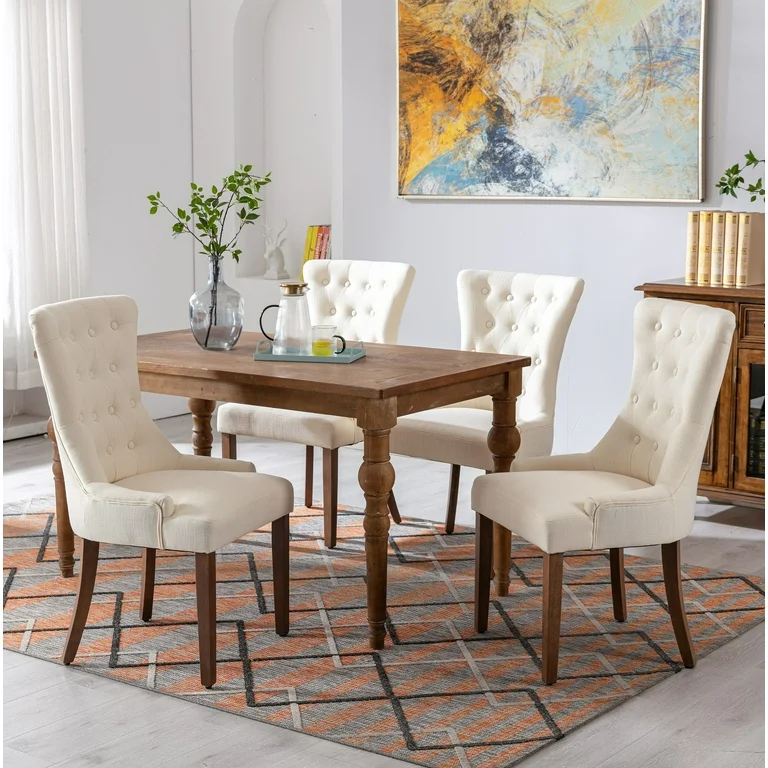
The material of dining chairs affects comfort, maintenance, and long-term durability. Wooden dining chairs remain a popular choice in the UK due to their strength and versatility. Oak, beech, and ash are commonly used because they are hard-wearing and suit a wide range of interiors.
Upholstered dining chairs offer a softer seating experience and are often chosen for comfort during longer meals. Fabric, faux leather, and real leather options each have their advantages. Fabric adds warmth and texture, faux leather is easy to wipe clean, and real leather develops character over time.
A current trend shaping buying decisions is performance fabrics—materials designed to resist stains, spills, and wear. These are becoming standard in family homes where dining tables are used throughout the day, not just at mealtimes.
Comfort and Ergonomics in Dining Chairs
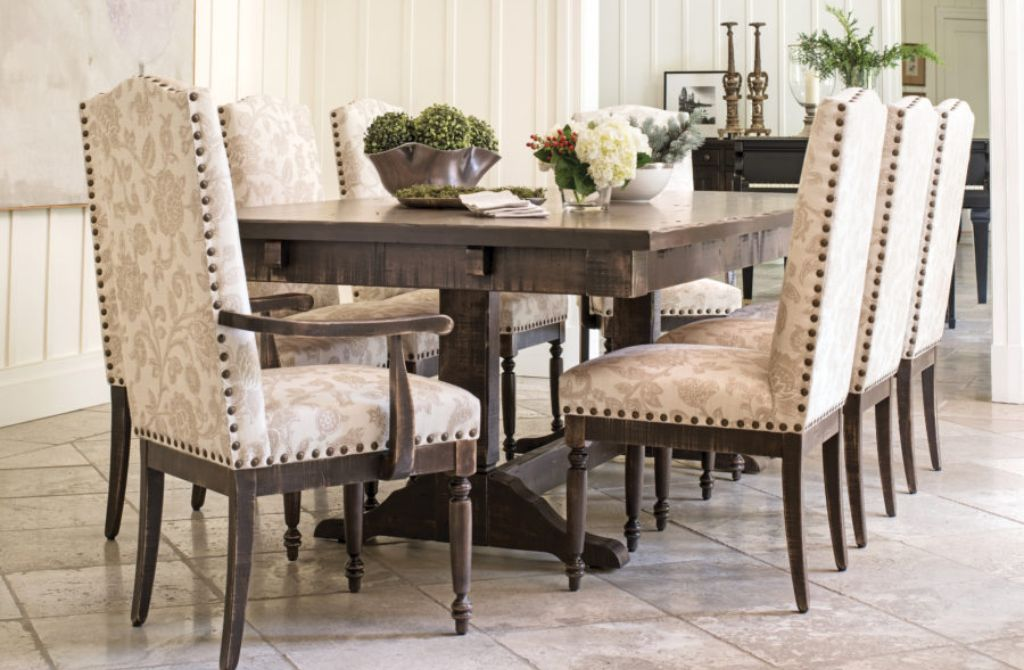
Comfort should never be overlooked when selecting dining chairs. A well-designed chair supports the back, allows feet to rest naturally on the floor, and avoids pressure on the backs of the legs.
This matters more now than before. With more people working remotely or studying from home, dining chairs are often used for hours at a time. Chairs with gently curved backrests and supportive seats are far more suitable for everyday use.
Armrests can add extra comfort and create a relaxed feel, but they also take up more space. In smaller dining areas, armless dining chairs remain the more practical option as they slide neatly under the table.
Matching Dining Chairs to Table Height and Size
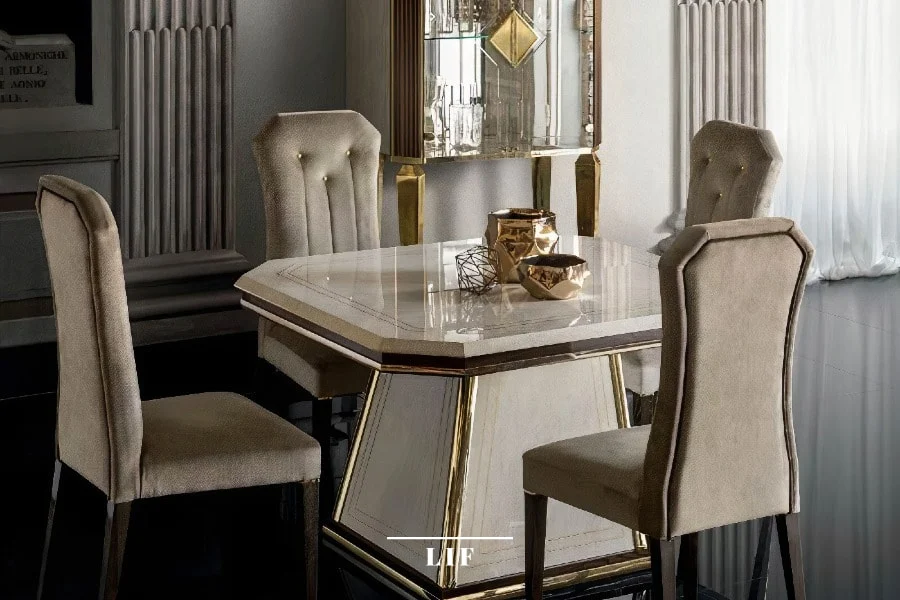
One of the most common mistakes people make is choosing dining chairs that do not suit their table. Seat height is crucial for comfort. There should be enough space between the seat and the tabletop to allow diners to sit comfortably without feeling cramped.
The width and depth of dining chairs also matter. Larger chairs may look appealing, but they can overcrowd a table if there is not enough space between each seat. Slimmer designs are often better suited to smaller UK dining areas.
A growing preference in 2026 is for slightly wider seats with slimmer legs, giving comfort without visually crowding the room.
Dining Chairs for Small Spaces and Apartments
In compact homes and flats, space-saving dining chairs are especially important. Chairs with slim frames, armless designs, or open backs help maintain a sense of openness in smaller rooms.
Stackable or foldable dining chairs are practical solutions for households that need extra seating only occasionally. Lightweight chairs are also becoming more popular, especially in multifunctional spaces where furniture needs to be moved frequently.
One emerging trend is multi-purpose dining chairs—designs that look stylish enough for dining but are comfortable enough for working, reducing the need for separate office seating.
Durability and Everyday Practicality
Dining chairs are used frequently, so durability should be a key consideration. Solid frames, well-joined legs, and stable construction all contribute to long-lasting performance.
Chairs that wobble or feel lightweight may not withstand daily use over time. Practical features such as wipe-clean surfaces, stain-resistant fabrics, and replaceable seat pads can make a big difference in busy households.
Sustainability is also influencing buying choices. Many UK shoppers are now looking for FSC-certified wood and recycled materials, reflecting a broader shift towards long-lasting, eco-conscious furniture.
Dining Chairs for Different Uses and Lifestyles
Not all dining areas serve the same purpose. Some households use their dining table only for meals, while others use it as a workspace, craft area, or homework station.
In homes where chairs are used for extended periods, comfort and support become even more important. Families with children may prioritise easy-clean dining chairs, while those who enjoy entertaining may prefer cushioned designs that encourage guests to stay longer.
A clear trend in 2026 is designing dining spaces that feel less formal and more adaptable, with chairs chosen for flexibility rather than strict matching sets.
Buying Dining Chairs in the UK
When buying dining chairs in the UK, shoppers have access to a wide range of options, both online and in physical stores. Online shopping allows for easy comparison of styles, prices, and dimensions, while visiting showrooms provides the opportunity to test comfort and build quality.
Before purchasing, it is worth checking delivery times, return policies, and whether assembly is required. Customer reviews remain one of the most reliable ways to understand how dining chairs perform in real homes.
Rising living costs have also changed buying behaviour. Many shoppers are now balancing price with durability, choosing fewer but better-quality chairs rather than replacing cheaper ones frequently.
Styling Dining Chairs to Suit Your Interior

Dining chairs can be used to introduce colour, texture, and personality into a room. Neutral dining chairs create a calm and cohesive look, while bolder colours or fabrics can act as a focal point.
Mixing dining chairs around one table is no longer just a trend—it is becoming a standard design choice. The key is to maintain a common element, such as colour tone, material, or shape, to keep the look balanced.
Coordinating dining chairs with flooring, lighting, and surrounding furniture helps create a cohesive space without making it feel overly styled.
Conclusion
Dining chairs are an essential part of any dining space, influencing comfort, usability, and overall style. By considering factors such as material, comfort, proportions, and how the chairs fit your lifestyle, it becomes easier to choose seating that works well both practically and visually.
In 2026, the focus has clearly shifted towards comfort, flexibility, and long-term value. Well-chosen dining chairs do more than complete a room, they support daily life, adapt to changing needs, and help create a space that feels welcoming every day.
FAQs About Dining Chairs
What height should dining chairs be for a standard table?
Dining chairs should allow enough space between the seat and tabletop for comfortable seating. Checking measurements before buying is always recommended.
Are upholstered dining chairs practical for everyday use?
Yes, especially when made from durable or easy-clean fabrics. Faux leather and stain-resistant materials are popular choices for busy homes.
How much space should there be between dining chairs?
Leaving enough space between chairs helps diners sit comfortably without feeling crowded. Slimmer chairs are often better for smaller tables.
Can different dining chairs be mixed around one table?
Mixing dining chairs can work well when there is a common element such as colour, material, or shape to maintain visual balance.
What is the most durable type of dining chair?
Chairs with solid frames and quality materials tend to last the longest. Wood, metal, and well-constructed upholstered designs all perform well when properly made.
You may also read:
Understanding the Different Types of Dining Tables
Garden Furniture