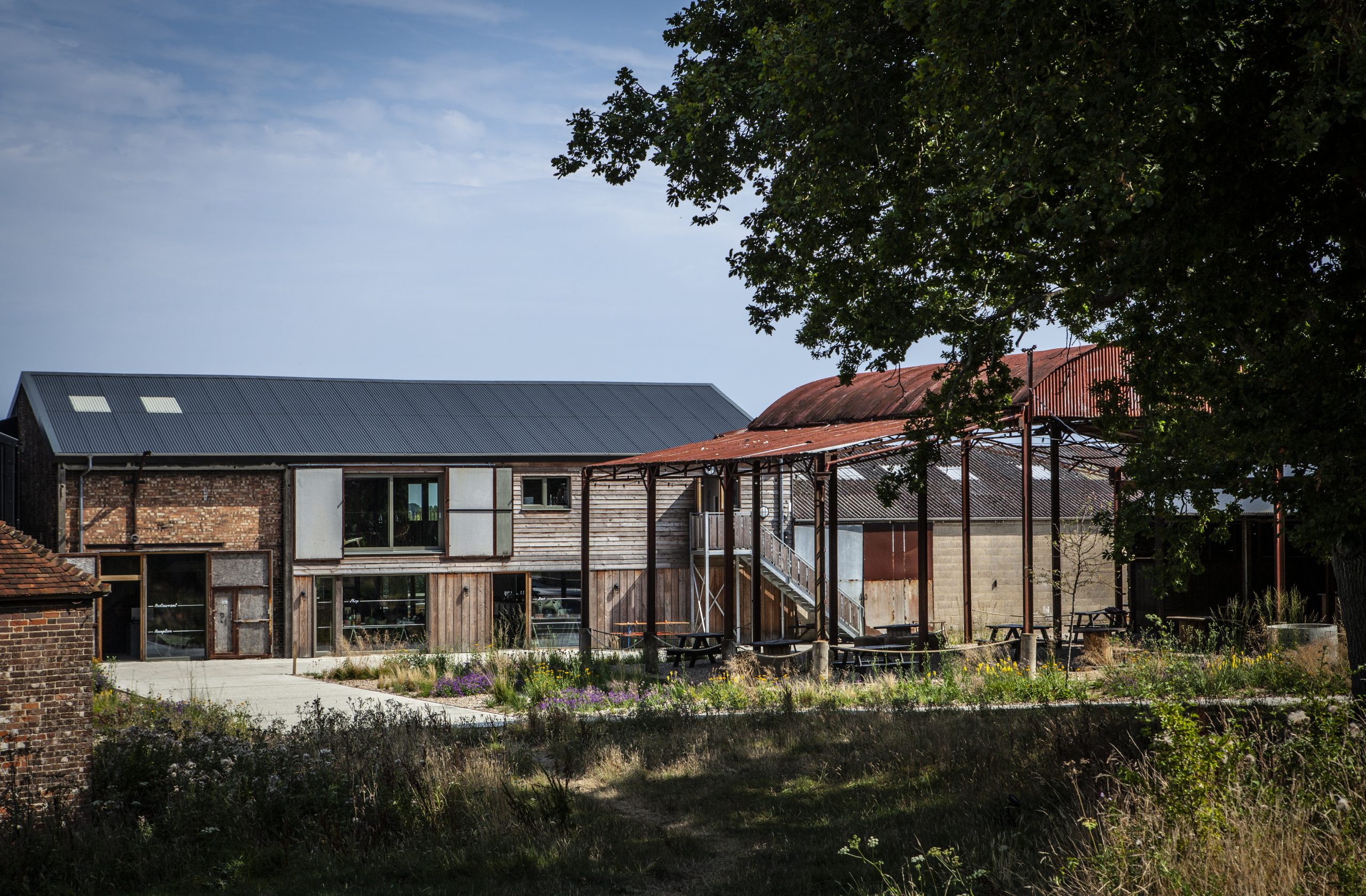
Tillingham Wines has completely reshaped what people expect from English viticulture, trading predictable fizz for bold, low-intervention experiments in the Sussex countryside. Nestled near the ancient town of Rye, this biodynamic estate seamlessly blends low-intervention winemaking, seasonal dining, and boutique accommodation into a single, cohesive destination.
Whether you are planning a weekend escape or simply curious about their latest releases, this updated guide breaks down everything you need to know before visiting or buying a bottle.
What Tillingham Wines Is and Why It Matters
Tillingham Wines is a functioning vineyard and organic farm set across rolling hills near Rye. Unlike traditional English estates that rely almost exclusively on classic sparkling styles, Tillingham builds its reputation on variety. Still whites, skin-contact orange wines, pet-nats, and chilled light reds all feature heavily in their cellar door line-up.
The estate operates as a closed-loop agricultural system rather than a series of detached tourist stops. Vineyards sit right alongside organic pastures, orchards, and woodland. Wine, food, and lodging complement one another, encouraging visitors to settle in for a long lunch or an overnight stay rather than rushing through a quick tasting.
Today’s Update: Sussex Winelands and the Rother Wine Triangle
Tillingham’s regional footprint has grown significantly. The estate now forms an anchor point of the Rother Wine Triangle—Sussex’s official wine trail designed to highlight the area’s premier organic and sustainable vineyards. This route connects local producers and makes exploring East Sussex’s low-intervention wine scene easier than ever.
A Closer Look at the Wine Philosophy
Tillingham focuses strictly on low-intervention winemaking. Fermentation relies on wild native yeasts, and cellar additions are kept to an absolute minimum to let each vintage express its raw character. The team avoids chasing a uniform flavour profile, choosing instead to let weather, soil, and vine age dictate what lands in the glass.
For drinkers, that means genuine year-on-year variation. One vintage might yield a bright, acid-led white, while the next delivers a deeply savoury, textured cuvée fermented in subterranean qvevri. If you are accustomed to mass-market commercial bottles, Tillingham’s style will feel distinct and expressive—which is precisely why wine lovers track down their allocations.
Today’s Update: Recent Releases and Vineyard Operations
The winemaking team continues to push boundaries with niche cellar projects. Recent releases include small-batch cuvées like their FLOR, an elegant Pinot Noir Précoce, and qvevri-aged Ortega, along with disgorged Traditional Method sparkling blends featuring Pinot Noir, Müller-Thurgau, and Chenin Blanc. In the vineyard, veraison is in full swing as grapes ripen across the farm for the upcoming harvest.
Visiting the Vineyard and Winery
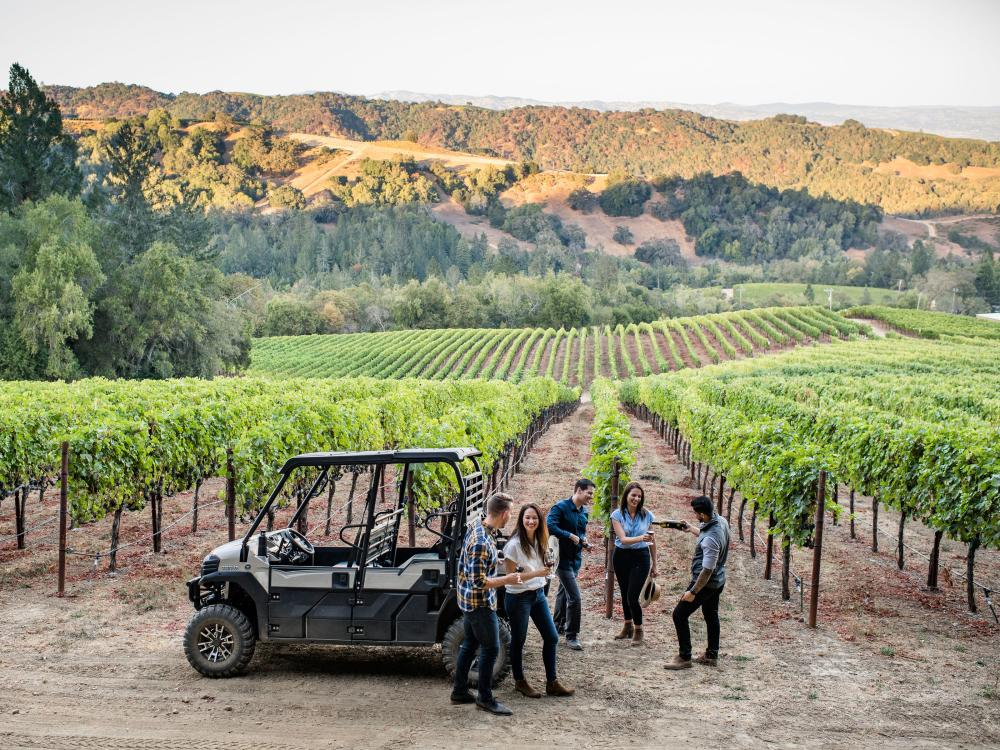
A visit to Tillingham is designed to be immersive and unhurried. Guided tours walk guests through the working vineyards, the cellar spaces, and the surrounding farmland. Guides focus on explaining regenerative land management, natural fermentation choices, and how farm biodiversity influences the final taste in your glass.
Tours finish with a guided tasting of current cellar releases. Instead of overwhelming guests with dense technical jargon, staff focus on making flavor profiles approachable. Even if you are completely new to natural wine, the tour breaks down complex ideas without diluting the craftsmanship involved.
Food at Tillingham: More Than a Vineyard Restaurant
Food is a core pillar of the Tillingham experience, drawing dedicated food lovers from across the UK. The main restaurant—featured in the MICHELIN Guide—delivers seasonal, hyper-local menus driven by daily harvests from the estate’s kitchen garden alongside produce from neighboring Sussex farms.
For a more casual meal, the estate operates an informal outdoor wood-fired space serving sourdough pizzas paired with chilled reds and pet-nats. Having multiple dining formats allows visitors to choose between an extended multi-course meal or a relaxed bite after walking the rows.
Staying Overnight at Tillingham Wines
Tillingham offers on-site lodging that sets it apart from typical vineyard visits. The estate features a converted former hop barn housing boutique rooms, alongside seasonal countryside accommodations that keep guests close to the landscape.
Staying overnight shifts the tempo of your trip. Guests can pair dinner with cellar-aged bottles without worrying about travel arrangements, enjoy quiet morning walks through the vines, and experience the estate after day-trippers head home. It remains one of Sussex’s most sought-after rural retreats for food and wine enthusiasts.
How to Plan a Visit Successfully
Advance planning is essential before heading to Tillingham. Tours, restaurant tables, and room bookings fill up rapidly, especially during summer weekends and peak harvest months. Unannounced drop-ins often find limited availability, as the estate deliberately caps guest numbers to maintain a relaxed, high-quality atmosphere.
Build extra time into your itinerary when visiting. First-time guests routinely plan a brief stop only to find themselves lingering for hours over lunch or walking the farmland trails.
Buying Tillingham Wines
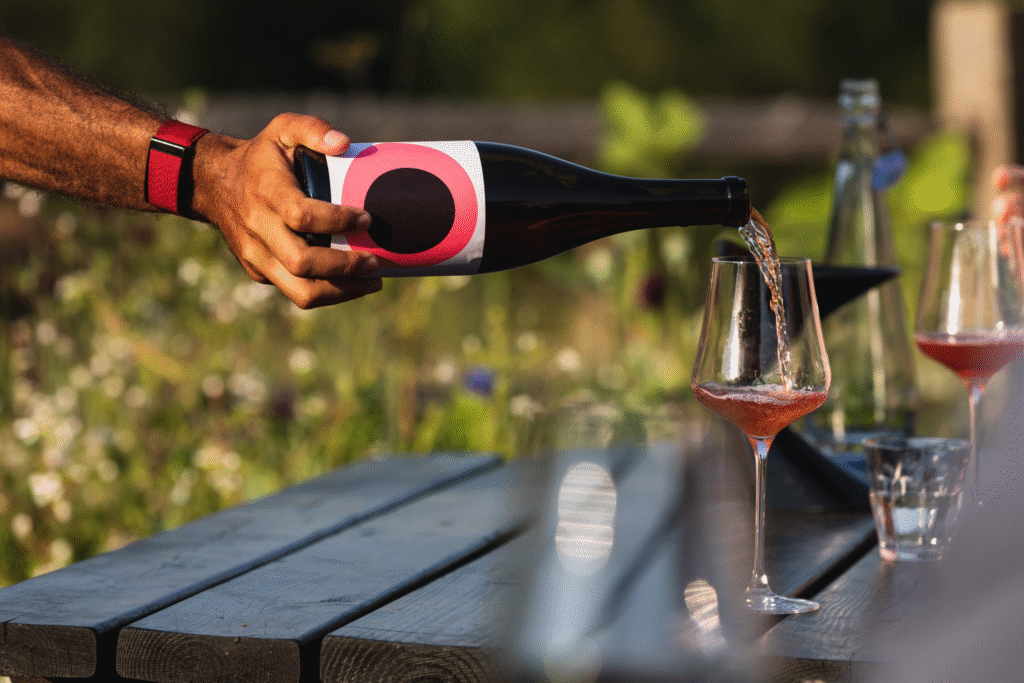
You do not need to travel to East Sussex to sample the lineup. Tillingham sells bottles directly through its online shop, offering access to limited releases, seasonal selections, and mixed cases. Direct purchasing is often the best way to secure rare, small-run cuvées before they sell out.
When selecting a bottle, consider the occasion:
- Casual Gatherings: Look for lively pet-nats or bright, chilled reds.
- Food Pairings: Skin-contact whites and barrel-aged cuvées offer the structure needed for richer dishes.
- Newcomers: A curated mixed case provides a complete overview of low-intervention styles.
Location Details and Common Pitfalls
Tillingham Wines is situated in East Sussex near the coastal town of Rye. It is entirely unrelated to the village of Tillingham in Essex—a frequent point of confusion on GPS searches. Double-check your destination coordinates to avoid setting off in the wrong direction.
Because the estate sits deep in the countryside, journey planning matters. Rail travelers generally take the train to Rye station and complete the final leg via taxi or bicycle. Drivers should budget extra travel time for narrow Sussex country lanes.
Is Tillingham Wines Right for You?
Tillingham shines brightest for curious drinkers and travelers who appreciate authentic craft. If you love low-intervention winemaking, farm-to-table dining, and rural stays focused on character rather than mass tourism, this estate will deliver.
However, if you prefer traditional, highly polished sparkling wines or expect to turn up without a reservation for a fast tasting, Tillingham’s deliberate, low-intervention approach might differ from your expectations. Knowing what to expect ensures you get the most out of your trip.
Summary
Tillingham Wines continues to set the standard for modern English winemaking and sustainable rural hospitality. By combining natural fermentation, seasonal cooking, and atmospheric lodging, the estate delivers an experience deeply connected to its Sussex terroir. Whether you drop in for a vineyard tour or order a mixed case online, Tillingham offers an insightful window into the future of British viticulture.
Frequently Asked Questions
Where is Tillingham Wines located?
Tillingham Wines is located near Rye in East Sussex, set within a rolling farming landscape. It is not connected to Tillingham village in Essex.
Do you need to book in advance?
Yes. Vineyard tours, restaurant tables, and accommodation require advance reservations, particularly during peak summer months and harvest season.
Can you stay overnight at Tillingham Wines?
Yes. The estate provides boutique rooms inside a converted hop barn alongside seasonal countryside accommodation.
What style of wine does Tillingham produce?
Tillingham focuses on low-intervention wines, including still whites, skin-contact orange wines, pet-nats, chilled reds, and traditional method sparkling blends.
Is Tillingham Wines suitable for beginners?
Tours and tastings are designed to be clear, welcoming, and accessible, making them ideal for anyone interested in learning about English natural wine.