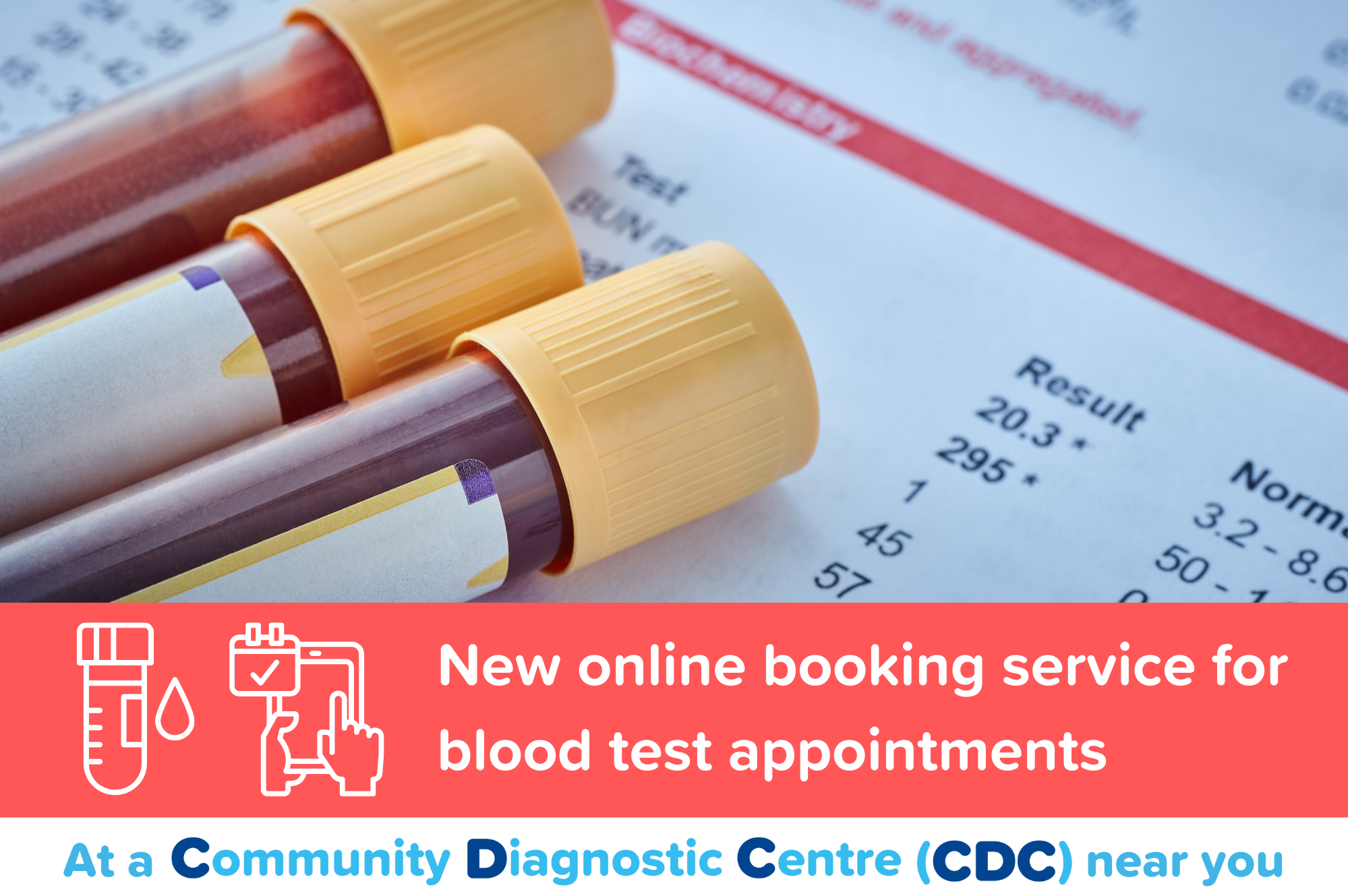
Introduction to Booking a Blood Test in the UK
Booking a blood test in the UK has become significantly more accessible due to digital healthcare systems, private diagnostic providers, and improved NHS booking tools. Whether you are investigating symptoms, monitoring a chronic condition, or simply checking your overall health, blood tests remain one of the most important diagnostic tools in modern medicine. The ability to book a blood test online or through healthcare providers has made the process faster and more convenient than ever before.
In 2026, patients now have multiple options depending on urgency, budget, and medical need. From NHS referrals through your GP to private same-day appointments, the healthcare system is designed to support both routine and urgent testing. Understanding how the booking process works helps patients avoid delays, choose the right service, and ensure accurate and timely results for better health management.
How to Book a Blood Test in the UK (NHS and Private Options)
Booking a blood test through the NHS typically begins with a consultation from a GP, nurse, or hospital specialist. Once a referral is provided, patients can schedule their appointment using online systems such as NHS-linked booking portals or hospital appointment platforms. These systems allow users to select time slots, preferred locations, and in some cases, even mobile phlebotomy services depending on regional availability.
Private blood test booking offers a more flexible alternative, especially for individuals who want faster access or do not require a GP referral. Private clinics often allow direct online booking through their websites or apps, with options for same-day or next-day appointments. This makes private services particularly useful for people who need urgent results or prefer convenience outside standard NHS waiting times.
Types of Blood Tests Available and What They Measure
Blood tests are designed to measure different components of your health depending on symptoms, medical history, or preventive screening needs. A Full Blood Count (FBC) is one of the most commonly requested tests, helping identify conditions such as infections, anaemia, and immune system disorders. Other essential tests include glucose testing for diabetes monitoring and lipid profiles for assessing cardiovascular health risks.
Additional specialised blood tests focus on specific organs or conditions. For example, thyroid function tests evaluate hormone levels that control metabolism, while liver function tests assess how well the liver is processing toxins and proteins. Kidney function tests measure waste filtration efficiency, and inflammation markers help detect underlying infections or autoimmune conditions. Each test provides important insights into different aspects of health.
Preparing for Your Blood Test Correctly (Fasting and Non-Fasting)
Proper preparation before booking a blood test is essential for ensuring accurate results. Some tests require fasting for 8 to 12 hours, meaning you should avoid food and certain drinks before your appointment. Fasting is typically required for cholesterol, glucose, and metabolic function tests because recent food intake can temporarily affect blood levels and lead to inaccurate readings.
However, many blood tests do not require fasting and can be taken at any time of day. These include tests for infection markers, hormone levels, and kidney function in most cases. Patients are always advised to follow specific instructions provided by their healthcare provider before booking a blood test, as incorrect preparation can impact the reliability of diagnostic results.
What Happens During and After a Blood Test
During a blood test appointment, a trained healthcare professional will collect a small blood sample, usually from a vein in the arm. The process typically takes only a few minutes and involves minimal discomfort. A tourniquet is used to make the veins more visible, and a sterile needle is inserted to collect blood into labelled tubes for laboratory analysis.
After the test, patients may experience slight bruising or tenderness at the site, but this usually resolves within a few days. The collected sample is sent to a laboratory where it is analysed using advanced diagnostic equipment. Results are then reviewed by medical professionals before being shared with the patient or their GP, depending on whether the test was booked through NHS or private services.
NHS vs Private Blood Testing – Which Option Is Better?
The NHS provides free blood testing services for eligible patients, making it the most accessible option for routine medical care. However, one of the limitations of NHS testing is waiting time, as appointments may depend on regional demand and GP referrals. Despite this, the NHS remains highly reliable and is often preferred for ongoing medical conditions that require regular monitoring.
Private blood testing offers faster appointments, more flexibility, and quicker result turnaround times. Patients can book directly without referrals, making it ideal for those who want immediate answers or preventive health checks. While private services involve costs that typically range from affordable basic tests to more comprehensive health panels, they provide convenience and speed that many patients find valuable.
Understanding Your Blood Test Results and Next Steps
Once you book a blood test and receive your results, they are usually presented alongside reference ranges that indicate whether each marker is normal, high, or low. These values help doctors assess your health status and determine if further investigation or treatment is needed. Many patients receive results within a few days, depending on the complexity of the test.
Interpreting blood test results can sometimes be confusing without medical guidance. For example, abnormal inflammation markers may indicate infection or chronic disease, while hormonal imbalances may require further evaluation. It is always recommended to discuss results with a healthcare professional who can explain what they mean in the context of your symptoms and overall health history.
Why Booking a Blood Test Early Improves Health Outcomes
Booking a blood test early plays a critical role in preventive healthcare because it helps detect potential health issues before they become serious. Many conditions such as diabetes, thyroid disorders, and cardiovascular risks develop gradually and may not show symptoms in the early stages. Early detection allows for timely treatment and better long-term health management.
In addition to prevention, early testing also supports ongoing monitoring for individuals already diagnosed with medical conditions. Regular blood tests help track treatment effectiveness and ensure medications are working as expected. By taking proactive steps to book a blood test when needed, individuals can significantly improve their overall health outcomes and reduce future medical complications.
Frequently Asked Questions About Booking a Blood Test
How do I book a blood test in the UK without a GP?
It is possible to book a blood test without a GP referral through private healthcare providers. Many clinics and diagnostic labs allow direct online booking for a wide range of tests. This option is especially useful for individuals who want quick access to results or do not currently have symptoms requiring NHS evaluation. Private booking systems are designed to be simple and often provide appointment availability within 24 to 48 hours.
How long does it take to get blood test results?
The time required to receive blood test results depends on the type of test and whether it is processed through the NHS or private laboratory. Standard tests may take a few days, while more complex analyses can take up to a week or longer. Private clinics often provide faster turnaround times, sometimes within 24 to 72 hours, making them a preferred choice for urgent health concerns or routine screening.
Is fasting always required before a blood test?
Fasting is not required for all blood tests, but it is necessary for certain tests such as cholesterol and blood glucose measurements. When fasting is required, patients are usually advised to avoid food and caloric drinks for 8 to 12 hours before the appointment. Water is generally allowed and encouraged. Following preparation instructions correctly is important for ensuring accurate and reliable test results.
What should I do if my blood test results are abnormal?
If your blood test results are outside the normal range, it is important not to panic, as many variations can be temporary or minor. A healthcare professional will interpret the results in the context of your symptoms and medical history. In some cases, further testing or follow-up appointments may be recommended to confirm a diagnosis or monitor changes over time.
You may also read: Swiftqueue NHS Appointment Booking: Book Blood Tests Online Across the UK