What Happens in Spring Season (Quick Answer)
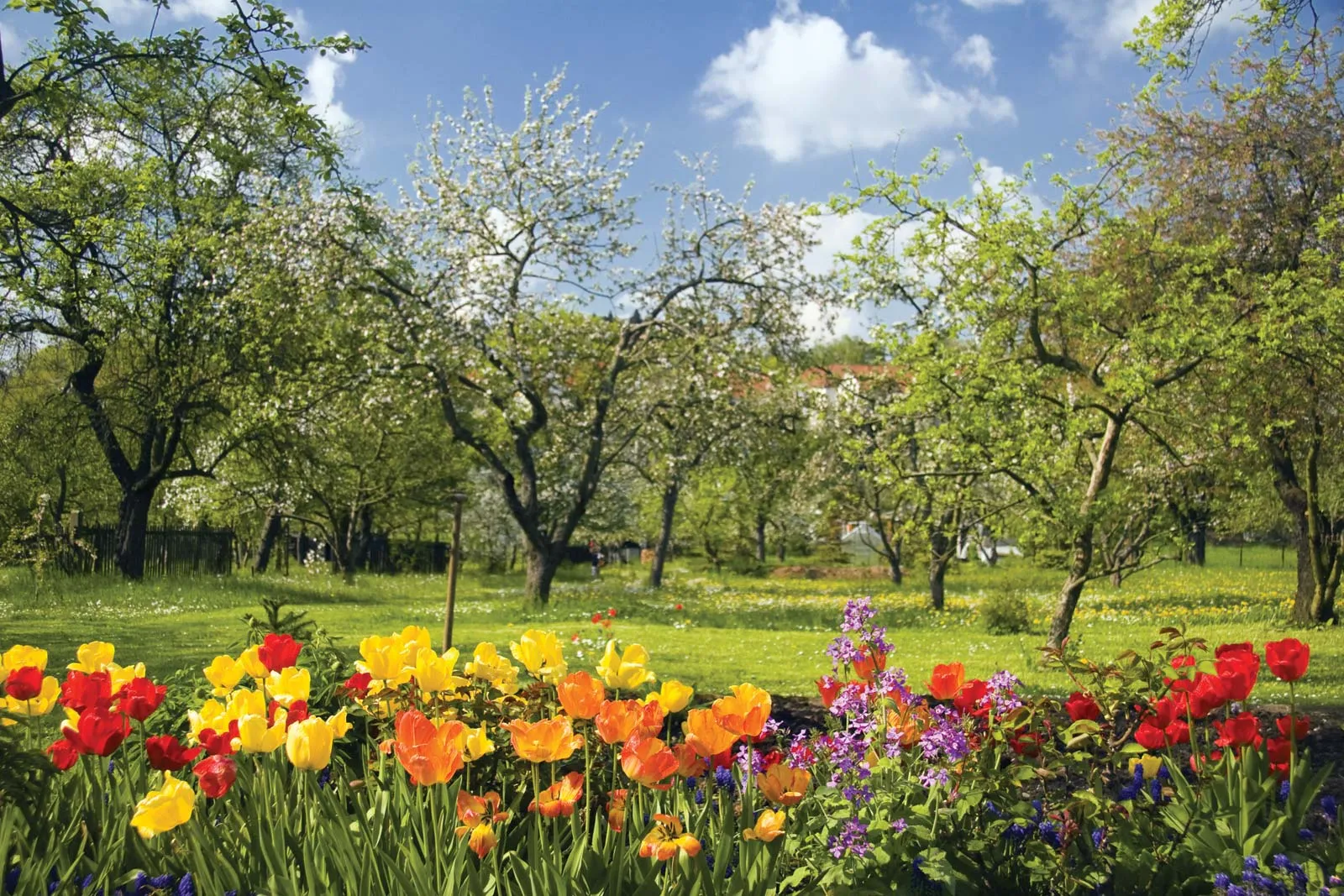
Spring season is a time of renewal when nature comes back to life after winter. During this period, temperatures rise, days become longer, flowers bloom, trees grow new leaves, animals become active, and many species reproduce. Rainfall increases, helping plants grow, while humans also become more active outdoors, engaging in gardening, travel, and social activities. Overall, spring represents growth, energy, and transformation across the natural world.
Spring is not just about beauty—it plays a crucial role in maintaining ecological balance. The changes that happen in spring season support food chains, improve environmental health, and influence human behavior and mood. Understanding these changes helps us appreciate how deeply connected we are to seasonal cycles.
The Meaning and Science Behind Spring Season
Spring season is the transitional period between winter and summer, marked by a steady increase in temperature and daylight hours. Scientifically, this change occurs because the Earth’s axis tilts toward the sun, allowing more direct sunlight to reach the Northern Hemisphere. This increase in solar energy triggers biological processes in plants and animals, leading to visible changes in the environment.
From a natural perspective, spring symbolizes renewal and rebirth. After months of dormancy, plants begin photosynthesis more actively, trees develop fresh leaves, and ecosystems regain vitality. This seasonal shift is essential for maintaining biodiversity, as it initiates cycles of growth, reproduction, and food availability for various species.
When Spring Season Begins and Why It Matters
Spring season begins at different times depending on whether you follow meteorological or astronomical definitions. Meteorologically, spring runs from March to May in most Northern Hemisphere countries, while astronomically, it starts around the spring equinox on March 20 or 21. This equinox marks the point when day and night are nearly equal in length.
The beginning of spring is significant because it signals the end of harsh winter conditions and the start of agricultural and ecological activity. Farmers prepare their fields, gardeners begin planting, and wildlife becomes more visible. These changes not only impact the environment but also influence economic activities and daily routines in many parts of the world.
Longer Days and Warmer Temperatures
One of the most noticeable changes that happens in spring season is the increase in daylight hours. As the Earth tilts toward the sun, days gradually become longer, providing more sunlight for both humans and plants. This extended daylight boosts energy levels, improves mood, and encourages outdoor activities.
Warmer temperatures also play a critical role in spring transformation. As the cold fades, soil begins to thaw, making it easier for plants to grow and roots to absorb nutrients. This warming effect sets the foundation for agricultural productivity and supports the overall revival of natural ecosystems.
Flowers Bloom and Plants Grow Rapidly
Spring is widely known for the blooming of flowers and rapid plant growth. During this season, plants respond to increased sunlight and warmer temperatures by accelerating photosynthesis. This leads to the emergence of colorful flowers, green grass, and thriving vegetation across landscapes.
The blooming process is not only visually appealing but also essential for ecological balance. Flowers produce nectar and pollen, which attract pollinators such as bees and butterflies. This interaction supports plant reproduction and ensures the continuation of various plant species in the ecosystem.
Trees Develop New Leaves and Forests Revive
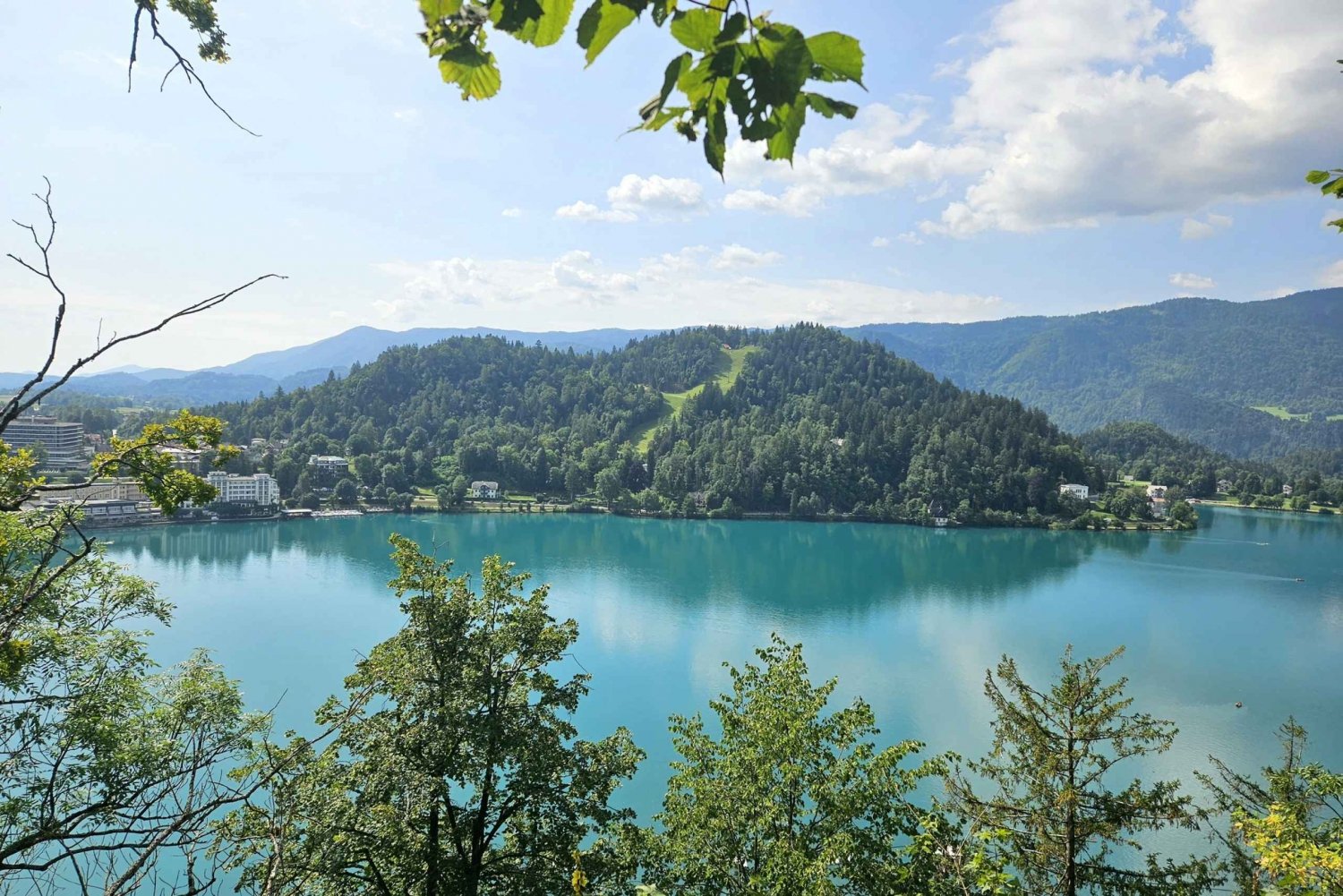
Another major change that happens in spring season is the growth of new leaves on trees. After shedding leaves in autumn and remaining dormant in winter, trees begin to produce fresh foliage. This process is triggered by longer days and increased temperatures, which signal the start of a new growth cycle.
Forests become vibrant and full of life during spring as trees regain their green canopy. This not only improves air quality by increasing oxygen production but also provides shelter and food for wildlife. The revival of forests plays a key role in maintaining environmental stability and supporting biodiversity.
Animals Become Active After Winter
Spring marks the return of animal activity after the quiet winter months. Many animals that hibernated during winter, such as bears and hedgehogs, emerge as temperatures rise. Their metabolism increases, and they begin searching for food to regain energy.
In addition to hibernation patterns, other animals become more visible as they resume normal activities. This seasonal awakening is crucial for maintaining ecological balance, as animals contribute to food chains, seed dispersal, and overall ecosystem functioning.
Birds Return and Migration Increases
One of the most fascinating events in spring season is bird migration. Many bird species travel long distances to return to their breeding grounds as temperatures become favorable. The increase in food availability and suitable nesting conditions makes spring the ideal time for reproduction.
The return of birds also enhances the natural environment through their role in pollination and seed dispersal. Their presence adds to the lively atmosphere of spring, with chirping sounds and increased activity in both urban and rural areas.
Insects and Pollinators Become Active
Spring season brings a surge in insect activity, particularly among pollinators like bees, butterflies, and beetles. As flowers bloom, these insects play a vital role in transferring pollen from one plant to another, enabling fertilization and seed production.
This process is essential for agricultural success and food production. Without pollinators, many crops would fail to grow, leading to significant ecological and economic consequences. The increased activity of insects in spring highlights the interconnected nature of ecosystems.
Rainfall Increases and Supports Growth
Rainfall is another important factor that influences what happens in spring season. Many regions experience moderate rainfall during this time, which provides the moisture needed for plant growth and soil fertility. This combination of sunlight and water creates ideal conditions for vegetation to thrive.
The presence of rain also helps maintain water cycles and replenishes natural resources such as rivers and groundwater. These environmental benefits ensure that ecosystems remain healthy and capable of supporting diverse forms of life.
New Life Begins: Animal Birth and Reproduction
Spring is often referred to as the season of new life because many animals give birth during this time. The availability of food and favorable weather conditions create a suitable environment for raising offspring. This period is essential for the continuation of species.
Young animals benefit from the abundance of resources in spring, increasing their chances of survival. This cycle of reproduction and growth strengthens ecosystems and ensures long-term biodiversity across different habitats.
Human Activities and Lifestyle Changes in Spring
Spring season also brings noticeable changes in human behavior and lifestyle. As the weather becomes more pleasant, people spend more time outdoors, engaging in activities such as gardening, sports, and travel. This shift improves physical health and mental well-being.
In addition, spring is an important time for agriculture and food production. Farmers plant crops, and communities celebrate festivals that reflect themes of renewal and growth. These activities highlight the deep connection between humans and seasonal changes.
Why Spring Season Is Important for the Ecosystem
Spring plays a vital role in maintaining ecological balance and supporting life on Earth. The changes that happen in spring season contribute to food production, biodiversity, and environmental sustainability. Without this season, many natural processes would be disrupted.
The interconnected systems of plants, animals, and climate all rely on the transformations that occur during spring. From pollination to reproduction, every aspect of nature benefits from this period of renewal, making it one of the most important seasons in the yearly cycle.
FAQs About What Happens in Spring Season
What happens in spring season in simple words?
In simple terms, spring is when nature wakes up after winter. Flowers bloom, trees grow leaves, animals become active, and the weather becomes warmer. It is a time of growth and renewal in the natural world.
Why is spring season important?
Spring is important because it supports plant growth, animal reproduction, and food production. It helps maintain ecological balance and ensures the survival of many species.
What are 5 facts about spring season?
Spring brings longer days, warmer temperatures, blooming flowers, increased animal activity, and higher rainfall. It is also associated with new beginnings and environmental renewal.
What do people do in spring season?
People engage in outdoor activities such as gardening, traveling, exercising, and social gatherings. It is also a time for planting crops and celebrating seasonal festivals.
Why do animals become active in spring?
Animals become active in spring because temperatures rise and food becomes available. These conditions allow them to find food, reproduce, and care for their young.
Conclusion
Spring season is a powerful reminder of nature’s ability to renew and regenerate. From blooming flowers to active wildlife and longer days, the changes that happen in spring season impact every aspect of life on Earth. It is a time of transformation that supports ecosystems, enhances human well-being, and prepares the environment for the seasons ahead.
Understanding what happens in spring season allows us to appreciate the delicate balance of nature and the importance of preserving it. As each spring arrives, it brings new opportunities for growth, making it one of the most meaningful and essential seasons of the year.
You may also read: Twinkl Cancel Membership – The Ultimate Guide to Ending Your Subscription Smoothly