
In the UK, GDPR training has become a cornerstone of organisational compliance and data protection. With the ongoing risk of data breaches, cyberattacks, and privacy violations, understanding how to manage personal data responsibly is critical. GDPR training ensures employees and professionals are aware of their responsibilities under UK GDPR and the Data Protection Act 2018, while providing organisations with evidence of compliance in the event of audits.
Understanding GDPR and Its Importance
The General Data Protection Regulation (GDPR) empowers individuals with control over their personal data and requires organisations to process data lawfully, fairly, and transparently. UK GDPR maintains these standards post-Brexit, with the Information Commissioner’s Office (ICO) overseeing enforcement.
For businesses, GDPR training is not optional. It reduces the risk of non-compliance fines, protects against reputational damage, and ensures operational efficiency. Employees gain the knowledge to handle data securely, respond to breaches effectively, and comply with internal policies and legal obligations.
Key Takeaways:
- GDPR training helps organisations meet legal obligations.
- Trained staff reduce the risk of breaches and penalties.
Awareness builds public trust and operational efficiency.
Types of GDPR Training Available in the UK
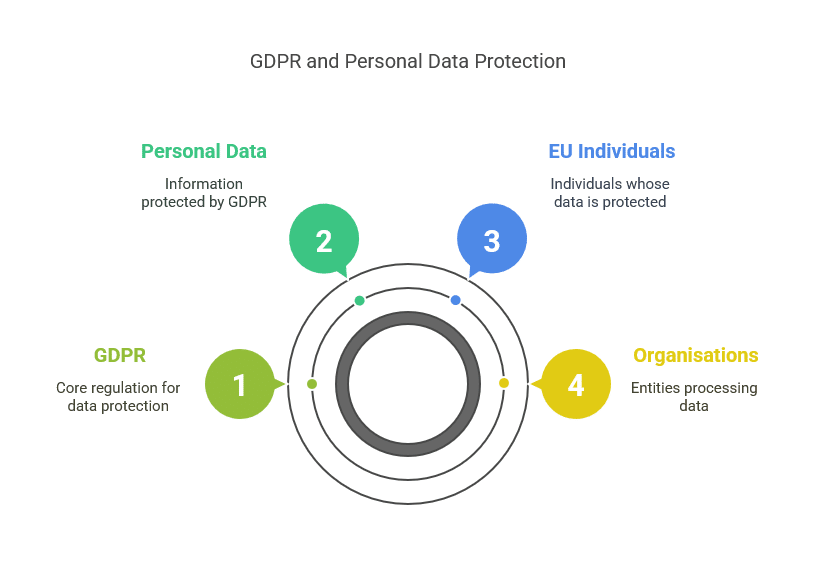
GDPR training comes in various formats tailored to the organisation’s size, industry, and staff roles. Choosing the right type ensures both compliance and practical knowledge application.
Online GDPR Training
Self-paced modules accessible remotely, ideal for geographically dispersed teams. These courses often include interactive quizzes, downloadable resources, and completion certificates.
In-House Workshops
Face-to-face training allows for discussion, role-specific case studies, and interactive exercises. Particularly useful for departments handling sensitive data, such as HR, finance, and IT.
Hybrid Training Models
Combining online modules with live workshops, hybrid courses offer flexibility while maintaining engagement. They cater to organisations needing broad coverage without sacrificing interaction.
Role-Specific Training
- Awareness training: all employees to understand basic principles.
- Specialist training: data protection officers (DPOs), IT staff, and management receive in-depth guidance.
- Practitioner courses: advanced skills including DPIA execution, compliance auditing, and breach management.
Pro Tip: Selecting training aligned with staff responsibilities ensures practical application and regulatory compliance.
Core Modules Typically Covered
A comprehensive GDPR training programme addresses both theoretical and practical aspects of data protection:
Data Protection Principles: Lawfulness, transparency, purpose limitation, accuracy, and retention policies.
Lawful Basis & Consent: How to collect, process, and store personal data legally.
Data Subject Rights: Handling subject access requests (SARs), correction, deletion, and objection rights.
Data Breach Response: Steps to report, manage, and mitigate breaches.
Privacy by Design & Default: Integrating data protection into workflows and systems.
Accountability & Documentation: Maintaining records, audit trails, and compliance evidence.
Expert Note: Practical exercises, such as simulated SAR responses or breach scenarios, improve retention and real-world readiness.
Certification and Accreditation
Accredited GDPR training adds credibility and demonstrates compliance to regulators:
CPD Accredited Courses: Provide continuing professional development points.
IIRSM & Practitioner Certification: Recognised qualifications enhancing career prospects.
ICO Alignment: Courses based on ICO guidance ensure adherence to UK GDPR expectations.
Certification not only validates learning but also helps organisations maintain evidence for audits and legal obligations.
Benefits of GDPR Training for Organisations and Professionals
For Organisations:
- Mitigates risk of fines and legal claims.
- Strengthens reputation and customer trust.
- Promotes operational efficiency and consistent data handling.
For Professionals:
- Enhances knowledge and career progression.
- Prepares staff for regulatory inspections.
- Provides confidence in handling personal data securely.
Key Takeaways:
Investing in GDPR training is cost-effective compared to potential penalties and reputational damage from breaches.
Ongoing Compliance and Best Practices
GDPR training is not a one-time event. Organisations must embed data protection awareness into their culture:
Refresher Courses: Annual or bi-annual updates to stay current with legislation.
Monitoring & Tracking: Use Learning Management Systems (LMS) to log completions and progress.
Internal Audits: Regular checks to ensure staff apply GDPR principles correctly.
Policy Integration: Training must align with internal policies and incident response procedures.
Pro Tip: Combining awareness with practical exercises ensures staff are prepared for real-world compliance challenges.
Choosing the Right GDPR Training Provider
When selecting a provider, consider:
- Course Relevance: Does it cover your industry and staff roles?
- Accreditation & Certification: Recognised by CPD, ICO, or other authorities.
- Delivery Format: Online, in-house, hybrid, or role-specific modules.
- Trainer Expertise: Qualified professionals with practical GDPR experience.
- Updates & Support: Regular course updates reflecting UK GDPR developments.
Expert Note: A well-chosen provider maximises compliance, engagement, and value for money.
FAQs
GDPR training educates individuals and organisations on handling personal data under UK GDPR. Anyone processing personal data in their role should complete it.
While not explicitly required by law, organisations must ensure staff understand their data protection responsibilities. Training is the most effective method to achieve this.
Annual refreshers are recommended, or more frequently if regulations change or new staff join.
Online modules typically take 1–2 hours, whereas in-depth workshops can last a full day.
Yes. Many providers offer self-paced, interactive online courses suitable for remote teams.