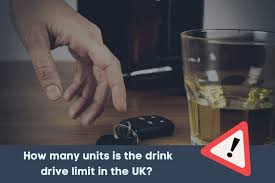
Understanding How Many Units You Can Drive On
There is no safe or fixed number of alcohol units you can drive on in the UK. While many people search for a simple answer such as a specific number of drinks or units, the reality is that alcohol affects every person differently. Because of this variation, two individuals can drink the same amount, yet one may be over the legal limit while the other remains under it. This makes the idea of calculating “safe units for driving” unreliable and potentially dangerous in real-world situations.
The most important point to understand is that the safest option is not to drink any alcohol at all if you plan to drive. Even small amounts of alcohol can reduce reaction time, affect judgment, and increase risk on the road. Although legal limits exist, they are not designed to help you calculate safe drinking amounts. Instead, they are used by law enforcement to identify when someone is impaired beyond legal tolerance levels, which is why relying on unit counting is not a safe strategy.
What Alcohol Units Mean and Why They Don’t Decide Driving Safety
An alcohol unit in the UK is a standard measurement that equals 10 millilitres or 8 grams of pure alcohol. It is used to help people understand how much alcohol is contained in different drinks, since beverages vary widely in strength and size. For example, a pint of beer, a glass of wine, or a single spirit measure all contain different numbers of units depending on their alcohol by volume (ABV). While this system helps track drinking habits, it does not determine whether someone is safe to drive.
The problem is that alcohol units do not reflect how your body processes alcohol in real time. Factors such as weight, age, gender, stress levels, and food intake all affect how quickly alcohol is absorbed and eliminated. One person may metabolise alcohol quickly, while another may take significantly longer. This is why relying on unit calculations to decide if you can drive is unsafe and misleading. Even if you believe you are under a certain number of units, your body may still be affected.
UK Drink Driving Limits Explained
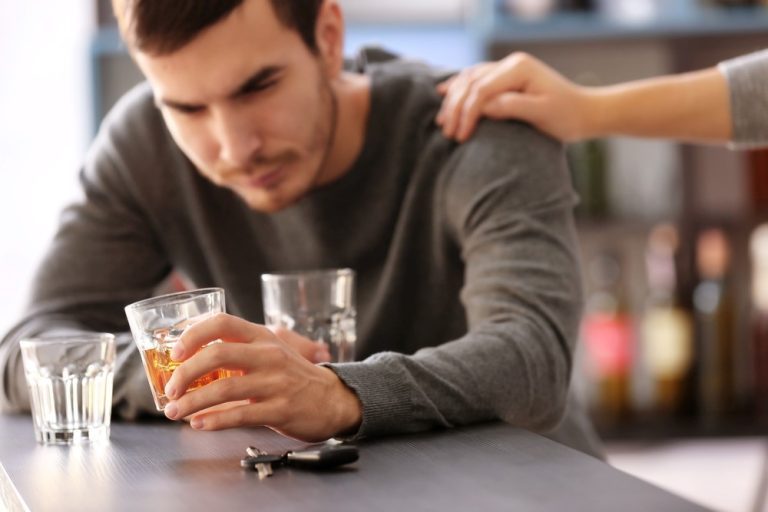
In the UK, legal alcohol limits for driving are measured through blood, breath, or urine alcohol concentration rather than units. In England, Wales, and Northern Ireland, the legal limit is 80 milligrams of alcohol per 100 millilitres of blood. Scotland has a stricter limit of 50 milligrams per 100 millilitres of blood. These limits are enforced to ensure drivers are not impaired while operating a vehicle and to reduce the risk of accidents caused by alcohol consumption.
However, these legal limits do not translate into a specific number of drinks or units. This is because alcohol affects individuals differently, making it impossible to define a universal safe drinking amount. A person could exceed the legal limit after just one or two drinks, while another person may reach the limit differently depending on how their body processes alcohol. This is why law enforcement does not use unit counting when determining impairment on the road.
Why There Is No Safe Number of Units to Drive On
There is no scientifically reliable or legally safe number of alcohol units that guarantees safe driving. Even small amounts of alcohol can impair your ability to react quickly, judge distances, and make safe decisions. This impairment can begin long before a person feels intoxicated. Because of this, even one drink can affect driving ability in ways that may not be immediately noticeable but still significantly increase risk on the road.
Another key factor is how alcohol is processed over time. On average, the body takes about one hour to break down a single unit of alcohol, but this varies widely from person to person. Some individuals may still have alcohol in their system several hours after drinking, especially if they have consumed multiple drinks. This is why even people who feel sober the next morning may still be over the legal limit, making the concept of “safe units to drive on” unreliable.
Real-Life Scenarios and Morning After Risk
One of the most common misconceptions about drink driving is the belief that sleep removes alcohol from the body. In reality, alcohol remains in your system for several hours, and in some cases, overnight sleep is not enough to bring levels below the legal limit. For example, someone who drinks heavily in the evening may still be impaired the next morning when driving to work. This “morning after” risk is one of the leading causes of accidental drink driving cases.
Real-life scenarios show how unpredictable alcohol effects can be. A person might feel fine after two drinks but still be over the limit due to slower metabolism or lack of food intake. Another individual might consume the same amount but process it differently. These inconsistencies highlight why relying on assumptions or previous experiences is dangerous. The safest approach is to avoid driving entirely if any alcohol has been consumed, regardless of how much or how long ago.
Legal Consequences and Road Safety Risks
Drink driving carries severe legal consequences in the UK. If caught driving over the legal alcohol limit, penalties can include driving bans, unlimited fines, criminal records, and even imprisonment depending on the severity of the case. These consequences are designed to discourage dangerous behaviour and protect road users. In addition to legal penalties, insurance costs can increase significantly, and future driving opportunities may be affected.
Beyond legal punishment, the biggest risk is the danger to human life. Alcohol impairs judgment, slows reaction time, and increases the likelihood of accidents. Even small levels of impairment can result in serious collisions involving pedestrians, passengers, or other drivers. Road safety authorities consistently emphasise that drink driving is one of the most preventable causes of accidents, which is why avoiding alcohol before driving is strongly recommended.
Safe Alternatives and Responsible Planning
The safest way to avoid drink driving risks is to plan ahead before consuming alcohol. If you know you will be drinking, arranging alternative transportation such as taxis, public transport, or ride-sharing services ensures you do not need to rely on judgment calls about alcohol units. Many people also choose a designated driver within their group, ensuring at least one person remains completely alcohol-free to handle transportation safely.
Responsible planning also includes being aware of the “next day” effect. If you have consumed alcohol late in the evening, it is safer to avoid driving the following morning unless you are certain your body has fully cleared the alcohol. This uncertainty is another reason why unit calculations should not be used as a guide for driving safety. Planning ahead removes guesswork and helps protect both the driver and other road users.
Frequently Asked Questions (FAQ)
Many people ask whether it is safe to drive after a small number of units, such as one or two drinks. The truth is that there is no guaranteed safe amount, as alcohol affects each person differently. Even small amounts can impair driving ability, and legal limits are based on blood alcohol levels rather than unit consumption. Because of this, relying on a fixed number of units is not a reliable method for determining driving safety in the UK.
Another common question is how long alcohol stays in the body and whether it is safe to drive the next morning. Alcohol can remain in your system for several hours depending on how much you drink, your metabolism, and other factors such as food intake. Even if you feel sober, you may still be over the legal limit the next day. This is why road safety experts strongly recommend avoiding driving entirely after drinking alcohol, regardless of the time passed or perceived sobriety.
You may also read: How to choose the right executor for an estate