Overview of VeSync Company and Its Global Position
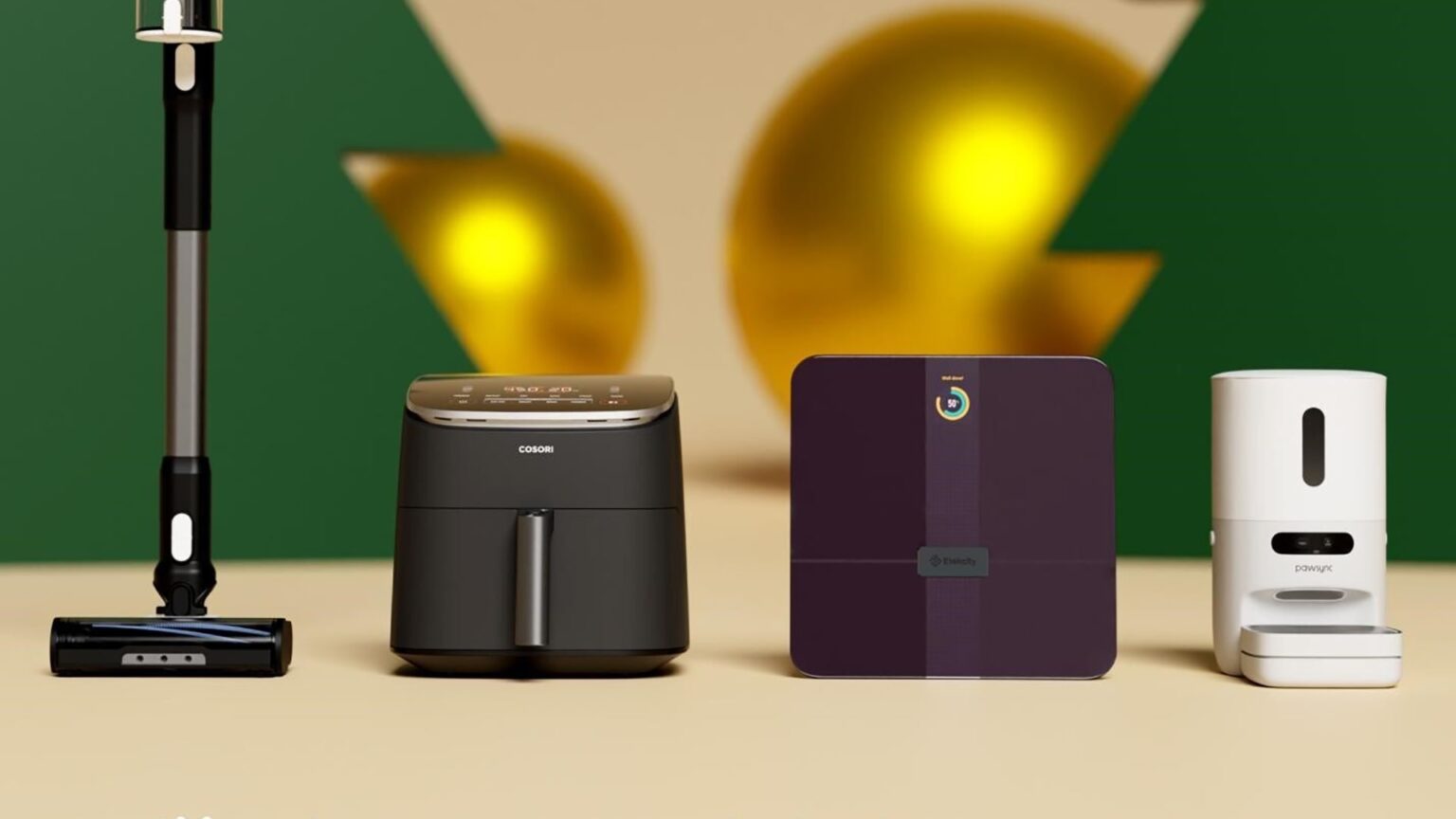
VeSync Co., Ltd is a China-based smart home and small appliance company that has built a strong international presence through e-commerce-driven expansion. The company is widely recognized for its consumer brands such as Levoit, Cosori, and Etekcity, which operate in categories like air purification, kitchen appliances, and health devices. Over the years, VeSync has evolved from a regional manufacturer into a global digital-first brand, especially strong in North American and European markets where online retail dominates purchasing behavior.
The global position of VeSync in 2025 is shaped by its heavy reliance on online marketplaces, particularly Amazon, where its products consistently rank in top-selling categories. This performance has placed the company in discussions around smart home industry leaders, even though it does not operate like traditional diversified appliance giants. The phrase “VeSync company net worth global ranking” reflects growing investor interest in how this e-commerce-focused business compares with larger competitors in valuation, sales reach, and long-term scalability.
VeSync Net Worth, Market Capitalization, and Financial Snapshot 2025
The financial valuation of VeSync in 2025 is closely tied to its market capitalization, which is estimated in the range of approximately HK$6–7 billion based on prior Hong Kong Stock Exchange data and post-market adjustments. This valuation reflects both investor confidence and the company’s consistent revenue generation from global e-commerce channels. In 2024, VeSync reported revenue of around US$650 million, supported by strong demand for smart home appliances and continued expansion in international markets.
However, the company’s financial narrative is not only about growth but also volatility. After its IPO, VeSync experienced fluctuations in valuation due to supply chain disruptions, profitability pressure, and shifting investor sentiment in the consumer tech sector. Its decision to go private further reshaped its net worth perception, as public market pricing no longer reflects real-time investor trading. This makes its “global ranking” more analytical than official, based on revenue size, Amazon dominance, and comparison with similar smart appliance brands.
Business Model and Revenue Drivers Behind VeSync Growth

VeSync’s business model is built on a direct-to-consumer (DTC) approach, heavily supported by online marketplaces rather than traditional retail distribution. The company’s key revenue streams come from smart appliances such as air purifiers, kitchen devices, and health monitoring tools. By focusing on digital retail platforms like Amazon, VeSync reduces dependency on physical retail infrastructure while gaining access to global customer bases with faster scalability and lower distribution costs.
Another important driver of revenue growth is the integration of smart technology through the VeSync mobile application ecosystem. This platform connects multiple devices into a unified smart home experience, improving customer retention and product ecosystem value. The company also benefits from rapid product testing cycles, where consumer feedback from online platforms is used to improve product design. This agile approach has played a major role in strengthening its competitive position in the smart home industry and increasing long-term brand loyalty.
Competitive Landscape: VeSync vs Global Smart Home Brands
In the global smart appliance industry, VeSync competes with several well-established brands such as Anker Innovations, Xiaomi, and SharkNinja. While these companies often have larger market capitalizations or broader product ecosystems, VeSync differentiates itself through niche specialization and strong dominance in selected Amazon categories. This focused strategy allows it to compete effectively despite not being the largest player in overall valuation.
Compared to its competitors, VeSync’s advantage lies in its e-commerce-first execution model and product specialization. For example, its Levoit air purifiers and Cosori kitchen appliances consistently perform well in online rankings due to strong consumer ratings and competitive pricing. However, competitors like Xiaomi benefit from a wider ecosystem strategy, while SharkNinja leverages strong retail presence in Western markets. This comparison shows that VeSync’s global ranking is strong in digital retail performance, even if its overall corporate valuation is smaller.
Why VeSync Went Private and What It Means for Investors
One of the most important developments in VeSync’s corporate history is its decision to go private after being listed on the Hong Kong Stock Exchange. The company cited strategic flexibility as a key reason, especially in response to geopolitical uncertainty, tariff challenges, and pressure from short-term market expectations. By going private, VeSync aims to focus on long-term growth rather than quarterly financial performance, which often influences public market behavior.
For investors, this move has both positive and negative implications. On one hand, privatization allows management to reinvest profits more freely into research, development, and global expansion without public disclosure pressure. On the other hand, it reduces transparency and eliminates stock market liquidity. However, many analysts view this shift as a strategic repositioning rather than a decline, suggesting that VeSync is preparing for a stronger global expansion phase in the smart home industry.
Future Outlook of VeSync in the Global Smart Home Industry
The future outlook of VeSync is strongly tied to the continued growth of smart home technology and IoT-based consumer products. As households increasingly adopt connected devices, demand for integrated ecosystems like VeSync’s app-controlled appliances is expected to rise. The company is also investing in artificial intelligence, automation, and cloud-based connectivity, which could further enhance its product ecosystem and improve long-term competitiveness.
Geographically, VeSync is expected to expand further into Europe, North America, and emerging markets where smart appliance adoption is increasing. Its ability to adapt quickly to consumer trends gives it an advantage in fast-moving digital retail environments. If the company continues to strengthen its brand ecosystem and expand product categories, its global ranking in the smart home sector could improve significantly over the next decade, even without being publicly listed.
Frequently Asked Questions (FAQ) About VeSync Company Net Worth and Ranking
The interest in VeSync’s financial status often leads to several common questions about its valuation, ownership structure, and global market position. These questions reflect investor curiosity and consumer awareness about how the company performs compared to larger multinational competitors in the smart home industry. Understanding these answers helps clarify the company’s true market standing beyond simplified ranking labels.
VeSync is often described as a Chinese-origin smart appliance company with strong international revenue exposure, particularly in the United States. Its net worth is not fixed in the traditional sense because it is no longer publicly traded, but its estimated valuation is based on historical market capitalization and revenue performance. The company’s ranking is primarily derived from Amazon sales performance and industry research reports, rather than official global corporate rankings.
You may also read: Vicky Pattison Net Worth 2025: How the Geordie Shore Star Built Her £5 Million Fortune