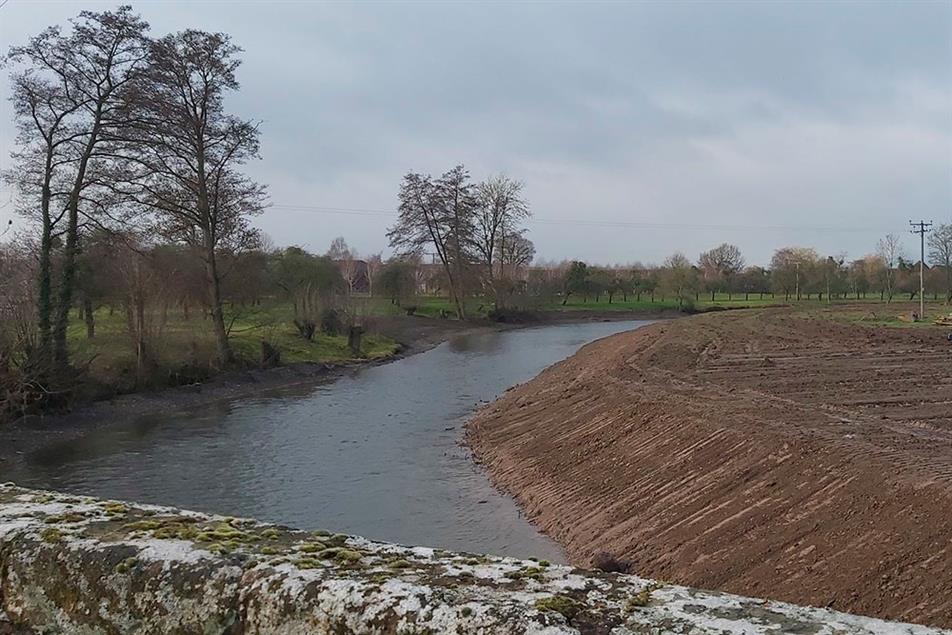
Overview of River Lugg
The River Lugg is a significant waterway flowing through both Wales and England, forming an important tributary of the River Wye. It originates in the rural landscapes of Powys near Llangynllo and travels through a mixture of upland terrain, farmland, and historic settlements before eventually joining the River Wye at Mordiford in Herefordshire. Stretching approximately 63 to 72 kilometres depending on measurement points, the river is well known for its ecological value, cultural heritage, and recreational importance. Its valley has supported human activity for centuries, making it both a natural and historical landmark in the region.
In modern times, the River Lugg is recognized not only for its scenic countryside views but also for its environmental sensitivity and biodiversity. It is designated as a Site of Special Scientific Interest (SSSI), which highlights its importance in supporting rare habitats and aquatic species. At the same time, it has become a focus of environmental concern due to pollution pressures and habitat degradation in certain stretches. This combination of natural beauty and environmental challenge makes the River Lugg a uniquely important river system in the UK.
Geography, Source, Course and Tributaries
The River Lugg rises in the upland areas near Llangynllo in Powys, Wales, where small streams merge and begin its journey eastwards. From its source, it flows through a series of rural valleys and border landscapes, passing settlements such as Presteigne before crossing into England. As it continues into Herefordshire, it moves through important towns including Leominster and eventually joins the River Wye near Mordiford. Along its route, the river drops in elevation significantly, creating a mix of fast-flowing sections and gentler meanders.
The Lugg system is supported by several tributaries that strengthen its flow and ecological diversity. These include the River Arrow, River Frome, Little Lugg, and various smaller brooks such as Bodenham Brook and Wellington Brook. These tributaries contribute to seasonal flow variations and play a key role in floodplain dynamics, especially during heavy rainfall events. The river also interacts with a wide floodplain system, particularly around Leominster and Lugwardine, where water levels can rise significantly and affect surrounding agricultural land.
History, Navigation and Human Influence

Historically, the River Lugg has been deeply connected to human settlement and economic activity. During the Domesday Book era, the river valley supported numerous mills powered by its flow, making it one of the most economically active river systems in Herefordshire. The presence of fertile floodplains also encouraged agriculture, especially hay and grain production, which sustained local communities for generations. Over time, the river became an essential part of rural infrastructure, shaping settlement patterns and land use across the region.
In the 17th and 18th centuries, the River Lugg was also involved in ambitious navigation schemes intended to make it a transport route. Various Acts of Parliament attempted to regulate and modify the river by building weirs and locks to support navigation between Hereford and upstream settlements. However, these efforts were only partially successful due to fluctuating water levels and sediment build-up. With the arrival of railways in the 19th century, commercial navigation declined, and the river gradually returned to a more natural flow pattern, although historical modifications remain visible today.
Fishing and Aquatic Biodiversity
The River Lugg is widely known as a productive fishing river, attracting anglers interested in both recreational and sport fishing. Its waters support a variety of fish species, including brown trout, grayling, chub, barbel, pike, and in some stretches, migratory salmon. The diversity of habitats along the river, ranging from gravel beds to deeper pools, creates ideal spawning and feeding conditions. Seasonal changes also influence fish movement, making the river a dynamic and rewarding environment for fishing throughout the year.
However, fishing on the River Lugg requires awareness of environmental regulations and conservation practices. Certain stretches are carefully managed to maintain fish populations, and anglers are expected to follow local licensing rules and sustainable fishing methods such as catch-and-release. In recent years, conservation efforts have focused on improving fish passage by removing barriers and installing fish passes. These improvements have helped restore populations of salmon and trout, although ongoing environmental pressures continue to affect long-term stability.
Wildlife, Conservation and Environmental Challenges
The River Lugg supports a rich variety of wildlife, making it an important ecological corridor in the region. Species commonly found along its banks include kingfishers, herons, dippers, otters, and water voles. The river also supports native crayfish and a wide range of aquatic insects that form the base of its food web. The surrounding vegetation provides essential shelter and breeding grounds, contributing to a balanced ecosystem that is highly sensitive to environmental change.
Despite its ecological importance, the River Lugg faces significant environmental challenges. It has been affected by pollution issues, including agricultural runoff and chemical contamination, which have contributed to declining water quality in some areas. In addition, habitat disruption and illegal river modifications in certain stretches have caused ecological damage. Conservation bodies such as the Environment Agency and local wildlife trusts are actively working to restore the river through habitat rehabilitation, monitoring programs, and improved land management practices.
Visiting River Lugg and Outdoor Activities
The River Lugg is a popular destination for outdoor enthusiasts who enjoy walking, kayaking, wildlife watching, and countryside exploration. Several public footpaths follow sections of the river, offering scenic views of its meandering course through farmland and woodland. Seasonal changes enhance its appeal, with spring and summer providing lush greenery and autumn offering vibrant colours across the valley landscape. These conditions make it particularly attractive for photography and nature-based tourism.
In addition to walking routes, the river is also used for kayaking and canoeing in suitable stretches where water levels allow safe passage. Local access points near towns such as Leominster and Mordiford provide entry for recreational users. Visitors are encouraged to respect private land boundaries and follow environmental guidelines to minimize disturbance to wildlife. The combination of accessible countryside and natural beauty makes the River Lugg a valuable recreational resource for both locals and tourists.
FAQ: River Lugg
What is the River Lugg known for?
The River Lugg is best known for its ecological importance, scenic countryside, and recreational activities such as fishing and kayaking. It is also recognized as a Site of Special Scientific Interest due to its diverse habitats and wildlife populations. Historically, it played a major role in powering mills and supporting agriculture in Herefordshire and Powys. Today, it is valued both as a natural ecosystem and a cultural landscape that reflects centuries of human interaction with the environment.
Where does the River Lugg start and end?
The River Lugg begins near Llangynllo in Powys, Wales, where small upland streams combine to form its source. From there, it flows eastwards through border regions and into Herefordshire in England. The river continues its journey through towns such as Presteigne and Leominster before eventually joining the River Wye at Mordiford. This route makes it an important tributary within the wider River Wye catchment system.
What fish can be found in the River Lugg?
The River Lugg supports a wide variety of fish species, making it popular among anglers. Common species include brown trout, grayling, chub, barbel, and pike, while salmon may also be found in certain sections during migration periods. The diversity of habitats, including gravel beds and deeper channels, supports spawning and feeding activities. Conservation work has helped improve fish movement through the installation of fish passes, although environmental pressures still affect populations in some areas.
Is the River Lugg safe for swimming or recreation?
While the River Lugg is used for recreational activities such as kayaking and walking, swimming is generally not widely recommended due to variable water conditions, currents, and pollution concerns in certain sections. Water levels can change rapidly after rainfall, increasing safety risks. Recreational users are advised to check local conditions and follow safety guidance. Non-contact activities such as walking and wildlife observation are considered safer and more suitable ways to experience the river.
You may also read: Northern Rhône Wine Regions