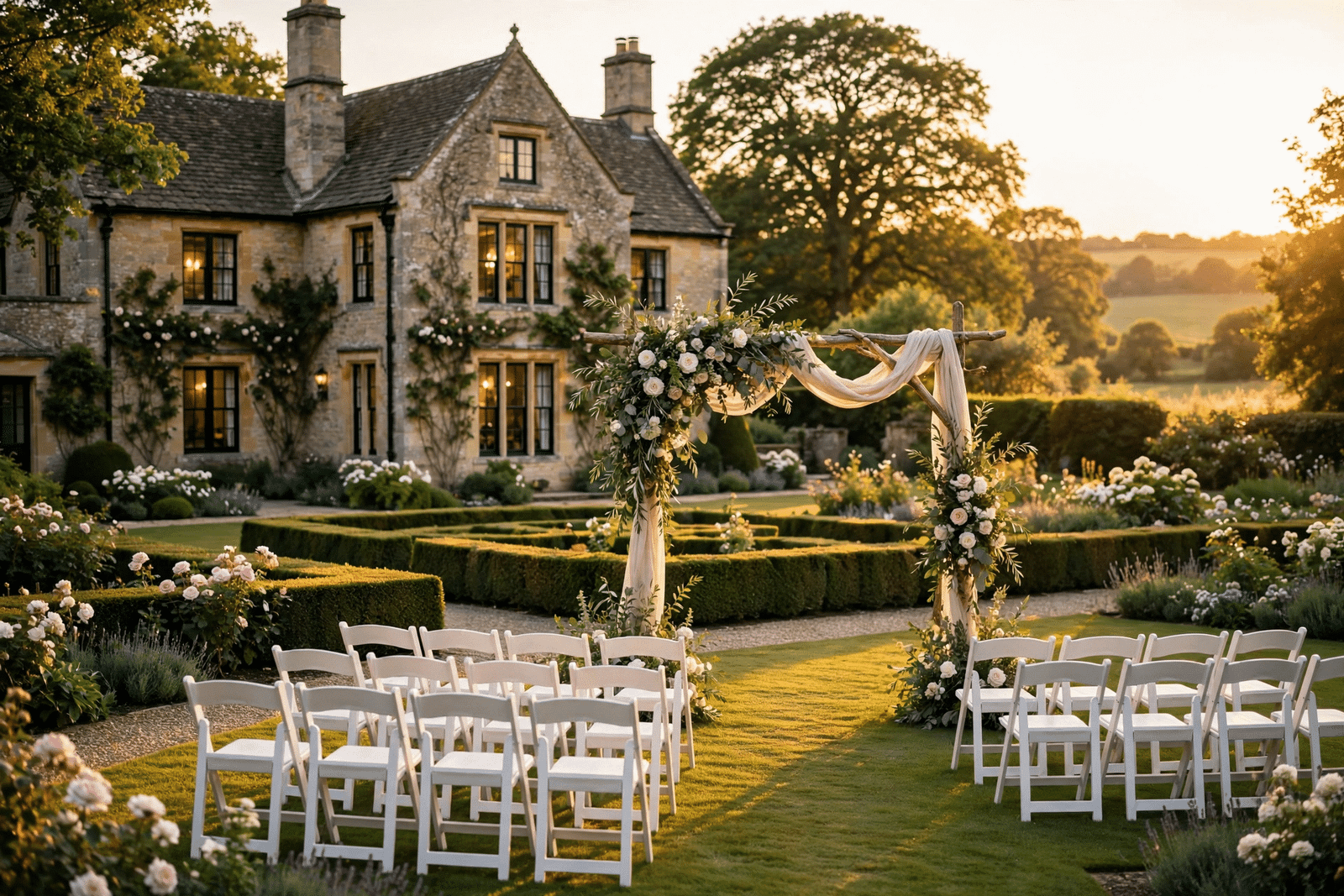
Choosing between the many wedding venues the UK has to offer is usually the first — and biggest — decision a couple makes. The venue sets the date, the budget, the guest count and the whole mood of the day, which is why wedding venues searches spike the moment an engagement is announced. From Scottish castles to Cornish clifftops, the choice in 2026 is wider than it has ever been.
This updated guide walks through the main types of wedding venues UK couples book, the regions that deliver the most for your money, realistic costs, and the questions to ask before you sign anything. Whether you picture a grand country house or a converted barn strung with fairy lights, the right process will get you to the right room.
Types of Wedding Venues in the UK
Castles and stately homes remain the classic fairytale choice among wedding venues in the UK, offering sweeping staircases, historic state rooms and grounds made for photographs. They suit larger guest lists and formal celebrations, and many now come with in-house teams who handle everything from catering to the evening bar. The trade-off is price and popularity: the best-known houses book up 18 months or more ahead for summer Saturdays.
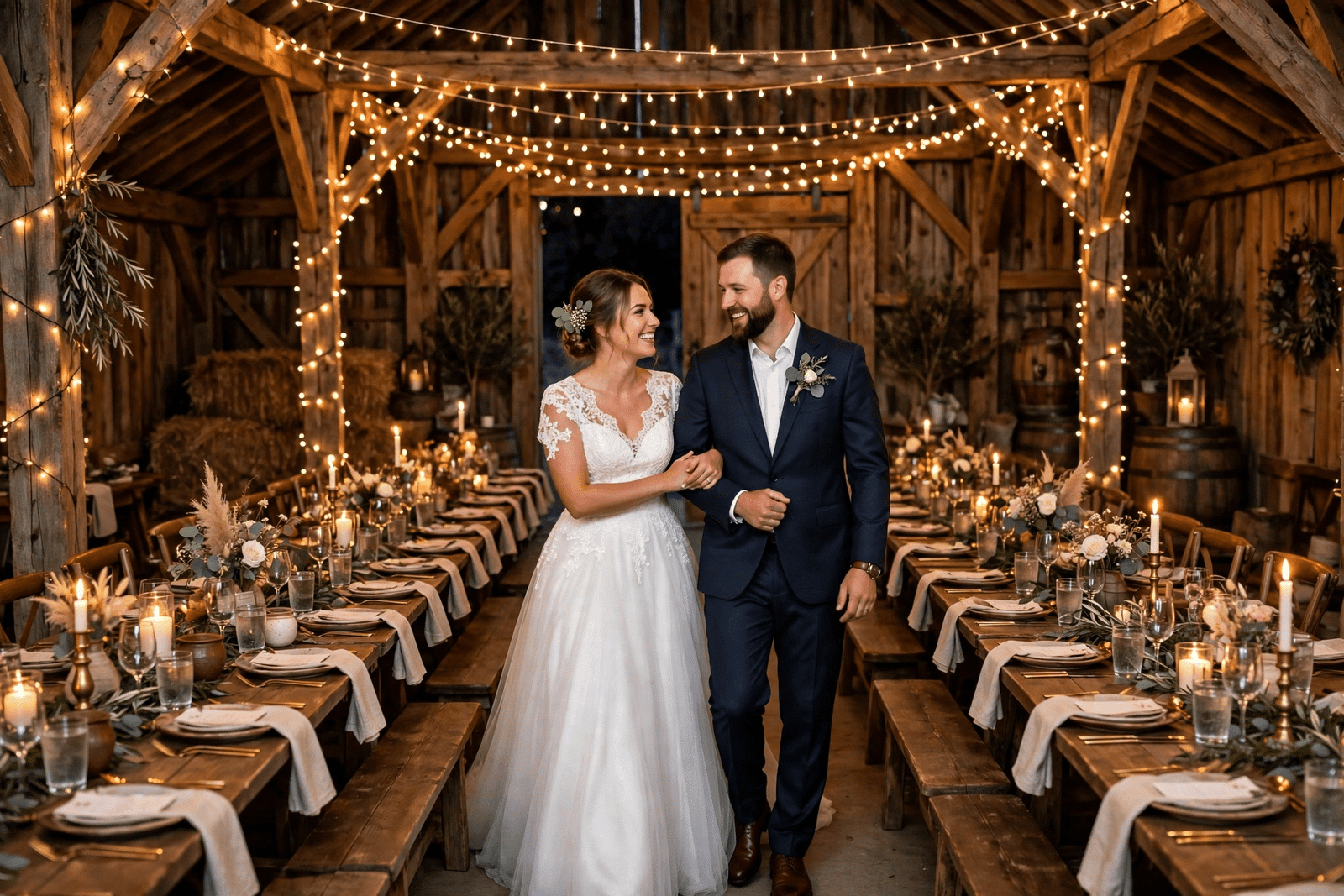
At the other end of the mood board sit barns, farms and countryside estates, which have become some of the most in-demand wedding venues UK-wide over the last decade. Exposed beams, festoon lighting and flexible layouts let couples build a relaxed, personal day rather than fitting into a hotel template. Hotels, city rooftop spaces, pubs and restaurants fill the middle ground, while coastal venues, gardens, vineyards and tipis serve couples who want the outdoors to do the decorating.
Best Wedding Venue Regions Across the UK
London offers the deepest bench of wedding venues in the UK for couples who want an urban celebration: grand hotels, warehouse conversions, museum spaces and rooftop terraces, all with excellent transport for guests. Prices run the highest in the country, but so does choice, and weekday or winter dates can bring a prestige venue within reach of a much smaller budget.
Outside the capital, the Cotswolds, Yorkshire, the Lake District and the Scottish Highlands lead on scenery, with manor houses and barns set in landscapes that need almost no styling. Cornwall and the South Coast add clifftop and beachside options, while Wales offers castle density that is hard to beat anywhere in Europe. Couples who keep an open mind on region often find the same quality of venue for noticeably less than the equivalent near London.
Legal Requirements for UK Wedding Venues
One practical point couples often miss: in England and Wales, the ceremony itself can only take place at a venue licensed for marriages or civil partnerships. As gov.uk’s guidance on marriages and civil partnerships explains, you must marry at a register office, an approved premises, or a place of worship, and you must give notice at least 29 days before the ceremony. Scotland and Northern Ireland have their own rules, so always check the position for the nation your venue sits in.
This is why some beautiful spaces — private gardens, unlicensed barns, marquees — host the reception while the legal ceremony happens elsewhere, sometimes on a different day. There is nothing wrong with that approach, and celebrant-led ceremonies at unlicensed wedding venues have become hugely popular, but it needs planning from the start rather than discovering it after you have paid a deposit.
How Much Do Wedding Venues Cost in 2026?
Venue hire is typically the largest single line in a wedding budget. As a broad 2026 guide, dry-hire barns and village-hall-style spaces can start from a few thousand pounds, full-service country houses and hotels commonly sit in the £5,000 to £15,000 range depending on date and package, and flagship London or castle wedding venues can climb well beyond that. Packages that bundle catering per head will look very different from dry hire, so compare like with like.
The date matters as much as the postcode. Saturdays in May to September carry the premium; moving to a Friday, a Sunday or an off-season month can cut hire fees substantially, and some venues offer twilight or micro-wedding packages at a fraction of the full-day price. Always ask what is included — tables, chairs, staffing, corkage, VAT — because the hidden extras, not the headline fee, are what usually break a budget.
How to Choose the Right Venue
Start with the numbers that cannot flex: your realistic guest count, your total budget and the area your guests can travel to. With those fixed, visit your shortlist of wedding venues in person, ideally at the time of day your ceremony would run, and look at the unglamorous details — parking, toilets, wet-weather backup space, noise curfews and where the sun actually sets for photographs.
Then interrogate the contract before you fall in love with the staircase. Ask about supplier restrictions, setup and clear-down times, payment schedules and what happens if you need to move the date. The best wedding venues answer these questions easily and put everything in writing. A venue that is vague about logistics will not become clearer later, and a clear contract protects both sides.
Conclusion
The UK is one of the best places in the world to get married precisely because its wedding venues cover every taste and budget: castles and barns, rooftops and clifftops, grand hotels and tiny gardens. The couples who end up happiest with their choice are the ones who fixed their guest count and budget first, checked the legal position early, and read the contract properly before signing.
Treat the venue search as the foundation of the whole wedding, because it is. Once the right room is booked, every other decision — styling, suppliers, timings — becomes simpler, and you can get on with enjoying the planning rather than fighting it.
Frequently Asked Questions
How far in advance should you book wedding venues in the UK?
For popular venues and peak-season Saturdays, 12 to 18 months ahead is sensible, and the most sought-after dates go earlier still. Off-peak and weekday dates can often be secured with far less notice.
What is the average cost of wedding venues UK couples pay?
There is no single average because packages differ so much, but many couples spend between £5,000 and £15,000 on venue hire and catering combined at mid-range venues, with London and premium properties costing more.
Can you get married outdoors at UK wedding venues?
In England and Wales, outdoor ceremonies are allowed at approved premises where the venue’s licence covers the outdoor structure. Many venues now offer licensed outdoor spaces, but the legal ceremony must still take place within the approved area.
What questions should you ask a wedding venue before booking?
Ask about capacity, exclusive use, catering and corkage rules, curfews, setup access, payment terms and the wet-weather plan. Getting the answers in writing before paying a deposit avoids most wedding-day surprises.
Are micro wedding venues available in the UK?
Yes. Since 2020 most regions have venues offering intimate packages for 10 to 30 guests, from boutique hotels to private dining rooms and small barns, often at significantly lower cost than full-day hire.
Do wedding venues include catering?
Some do and some are dry hire only. Hotels and country houses usually provide in-house catering, while barns and independent spaces often let you choose your own caterers — which can save money but adds coordination work.
Once the venue is booked, the next detail guests quietly judge is the card table — our guide to what to write in a wedding card helps you find words that match the setting.
And if you are attending rather than hosting, revisit our what to write in a wedding card examples before the big day arrives.