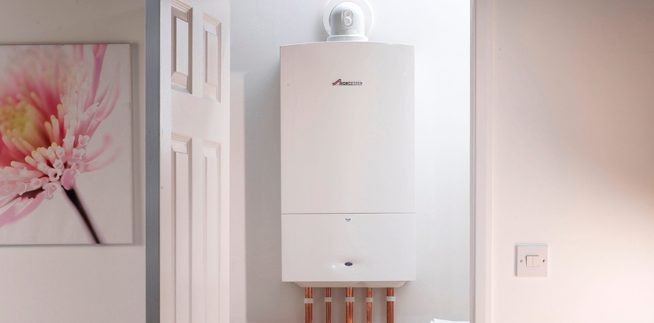
Buying a new boiler is a big investment, and the price can vary more than you might expect. Different homes need different types of systems, and what you pay depends on several practical factors. The right boiler can improve your home’s comfort, energy efficiency, and long-term value, so it’s worth understanding what drives the total price before making your choice.
Knowing what influences these costs helps you plan your budget better and make a confident choice for your property. Read on to discover what really affects the cost of a new boiler in the UK and how you can get the best value for your money.
Type of Boiler
The type of boiler is one of the main things that influences price. Combi boilers are usually the most affordable. They are smaller, and provide heating and hot water straight from the unit without extra tanks. System boilers cost slightly more since they use a separate cylinder, while conventional boilers often require more labour because of their complex pipework.
If you live in a small flat or home, a combi boiler is often ideal, but bigger properties that use more hot water may need a system or conventional boiler. The system you pick directly affects your new boiler cost because of the materials, labour, and time required for installation.
Brand and Quality
The brand of boiler you choose can make a noticeable difference in price. Trusted names such as Worcester Bosch, Ideal, Vaillant, and Viessmann tend to be more expensive upfront but offer better reliability, longer warranties, and higher energy efficiency.
Choosing a cheaper brand might save money now but could lead to more repairs or early replacement later. On the other hand, investing in a premium boiler means fewer breakdowns and better support over the years.
Installation Complexity and Labour
How complex your installation is can have a big impact on total cost. A straight boiler swap, where the new unit replaces the old one in the same position, is usually quicker and cheaper. However, if the boiler needs moving to another room or your system needs new pipework or flue fittings, costs will obviously rise.
Your property’s layout and current heating setup matter too. Upgrading to a modern, energy-efficient model might require extra components such as new controls, filters, or safety valves. Working with Gas Safe engineers, ensures your installation is done safely and efficiently, no matter the complexity.
Energy Efficiency and Controls
Newer boilers with high energy efficiency ratings tend to cost more at first but help reduce energy bills over time. A-rated boilers use less fuel and produce fewer emissions, saving you money in the long run. Smart controls and weather-responsive systems also let you manage your heating more precisely, avoiding wasted energy.
While these features might slightly increase the upfront cost, they improve your home’s comfort and can pay for themselves through lower energy usage. It’s worth considering efficiency as an investment rather than an added expense.
Property Size and Heating Needs
Your home’s size and heating demand play a big part in determining the right boiler and overall cost. Larger homes need boilers with higher output to heat multiple rooms and supply enough hot water. Smaller homes, on the other hand, can manage with compact models that are cheaper and easier to install.
It’s also worth checking your insulation and radiator setup. If your home retains heat well, you won’t need a large, costly boiler to keep it warm.
Closing Remarks
The cost of a new boiler in the UK depends on many things including brand, size, and how complex the installation is. Taking time to understand these factors helps you choose wisely, avoid hidden costs, and get a system that runs efficiently for years.
With transparent pricing and trusted Gas Safe engineers, you will enjoy a reliable, energy-efficient boiler that truly suits your home. By making an informed choice now, you’ll ensure lasting comfort, lower energy bills, and greater peace of mind for the future.