For decades, the social geometry of New York City has been drawn around a single center point: the bar. Whether it was a post-work happy hour, a first date, or a team celebration, the “activity” was almost always a synonym for “drinking.” Alcohol was the lubricant for connection, the signal that the workday was over, and the primary ticket to entry for the city’s “Third Places”—those essential community spots that are neither work nor home.
But as we move deeper into 2025, a quiet revolution is dismantling this monopoly. A new wave of social infrastructure is rising in Manhattan, built on a radical premise: you can build a community without the cocktail.
The “Sober Curious” Shift
The statistics are telling. Gen Z and Millennials are drinking less than any generation before them. The “sober curious” movement has graduated from a Dry January trend into a permanent lifestyle shift. However, the infrastructure of the city has been slow to catch up. For years, non-drinkers were relegated to coffee shops (which close early) or forced to sip seltzer in loud, boozy bars where they felt like outsiders.
The market gap was glaring: Where do adults go to bond, flirt, and unwind at 9:00 PM if they don’t want a martini?
Enter The Maze: A Country Club for Clarity
The answer is arriving in the form of high-end, alcohol-free membership clubs. The most anticipated of these is The Maze, set to open its doors in Fall 2025 in the Flatiron District.
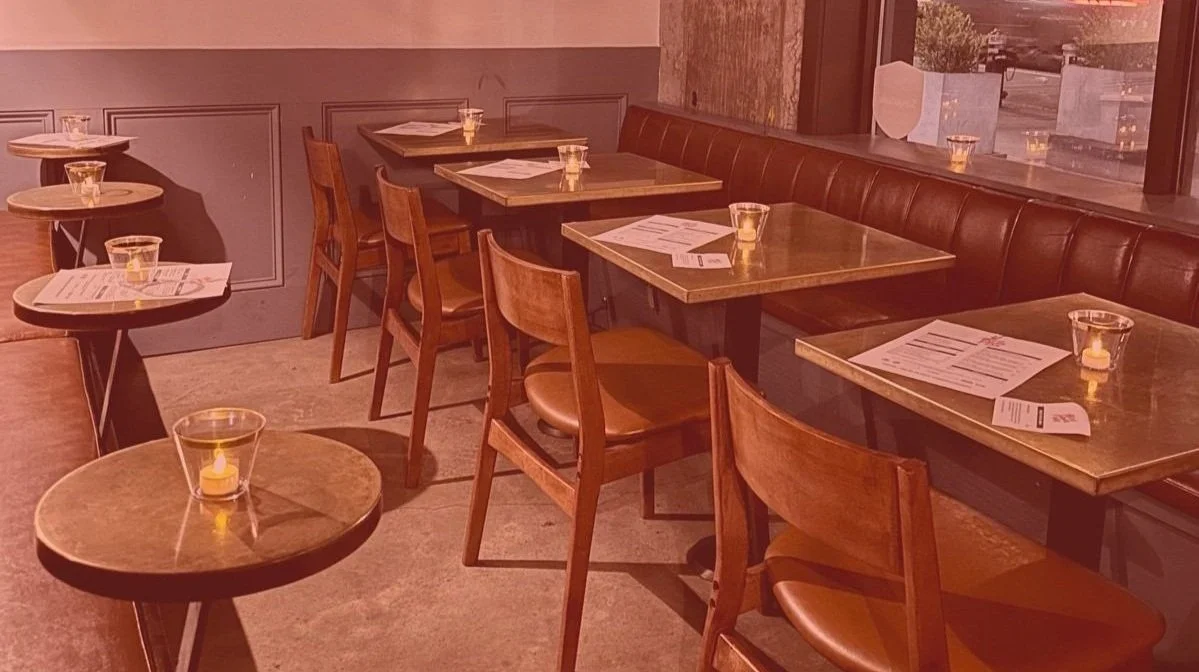
Unlike a AA meeting in a church basement or a juice bar, The Maze is designed to rival Soho House in aesthetics and exclusivity. It frames sobriety not as a restriction, but as a premium lifestyle choice. The venue features a New American restaurant, a late-night coffee bar, and lounge spaces designed specifically for conversation—meaning the acoustics are engineered so you don’t have to scream over a DJ.
The “activity” here is genuine human connection. Without the blur of alcohol, interactions are sharper, deeper, and more intentional. The programming reflects this, trading trivia nights for “Cornerstone Dinners” and workshops focused on personal growth. It validates the idea that you don’t need liquid courage to be interesting.
Sweat as the New Socializer
While The Maze offers a cerebral approach, other venues are replacing booze with biology. Othership, a concept that has recently expanded its footprint in the city, turns the ancient practice of saunas and ice baths into a high-energy group activity.
At an Othership “social session,” the vibe is closer to a nightclub than a spa. There is music, guided breathwork, and a collective energy that builds as 50 people simultaneously plunge into freezing water. The dopamine rush from the cold exposure replaces the buzz of alcohol. Strangers bond instantly over the shared physical challenge. It is “trauma bonding” in the best possible way—stripped of pretense (and clothes), participants find a raw, immediate sense of community that a cocktail party rarely achieves.
The “Third Place” Crisis
This shift is about more than just health; it’s about solving the “Third Place” crisis. Sociologist Ray Oldenburg coined the term to describe places where communities anchor themselves. In NYC, the erosion of these spaces has contributed to a profound loneliness epidemic.
Traditional bars often fail as true Third Places because they are transactional and transient. You buy a drink, you talk to the person you came with, and you leave. The new wave of sober social clubs aims to be “stickier.” They are designed for lingering. Whether it’s a dedicated “reading party” where strangers read silently for an hour before discussing their books, or a mocktail mixology class, the goal is to create recurring interactions—the seed of real friendship.
A New Nightlife Economy
Critically, this isn’t just a niche for people in recovery. It is for the “flexi-sober”—the busy executive who wants to socialize on Friday but needs to be sharp for a marathon training session on Saturday. It is for the team leader who wants to organize an outing that doesn’t alienate the non-drinkers in the office.
As these venues proliferate, they are proving that the “city that never sleeps” doesn’t need to be the “city that’s always hungover.” They are redefining group activities NYC by proving that the most intoxicating thing in a room shouldn’t be what’s in your glass, but the people you are sharing it with.