When you hear about government aid, what comes to mind? For me, I think of a safety net. It’s a system designed to help people who are facing tough times, whether due to unemployment, disability, or poverty. It’s a promise that society is there to catch you if you fall.
But there’s a crucial question you should always ask: how do we know the help is reaching the right people? This is where the idea of transparency becomes so important. It’s not just a fancy word politicians use. It’s the very foundation of a system that works for everyone.
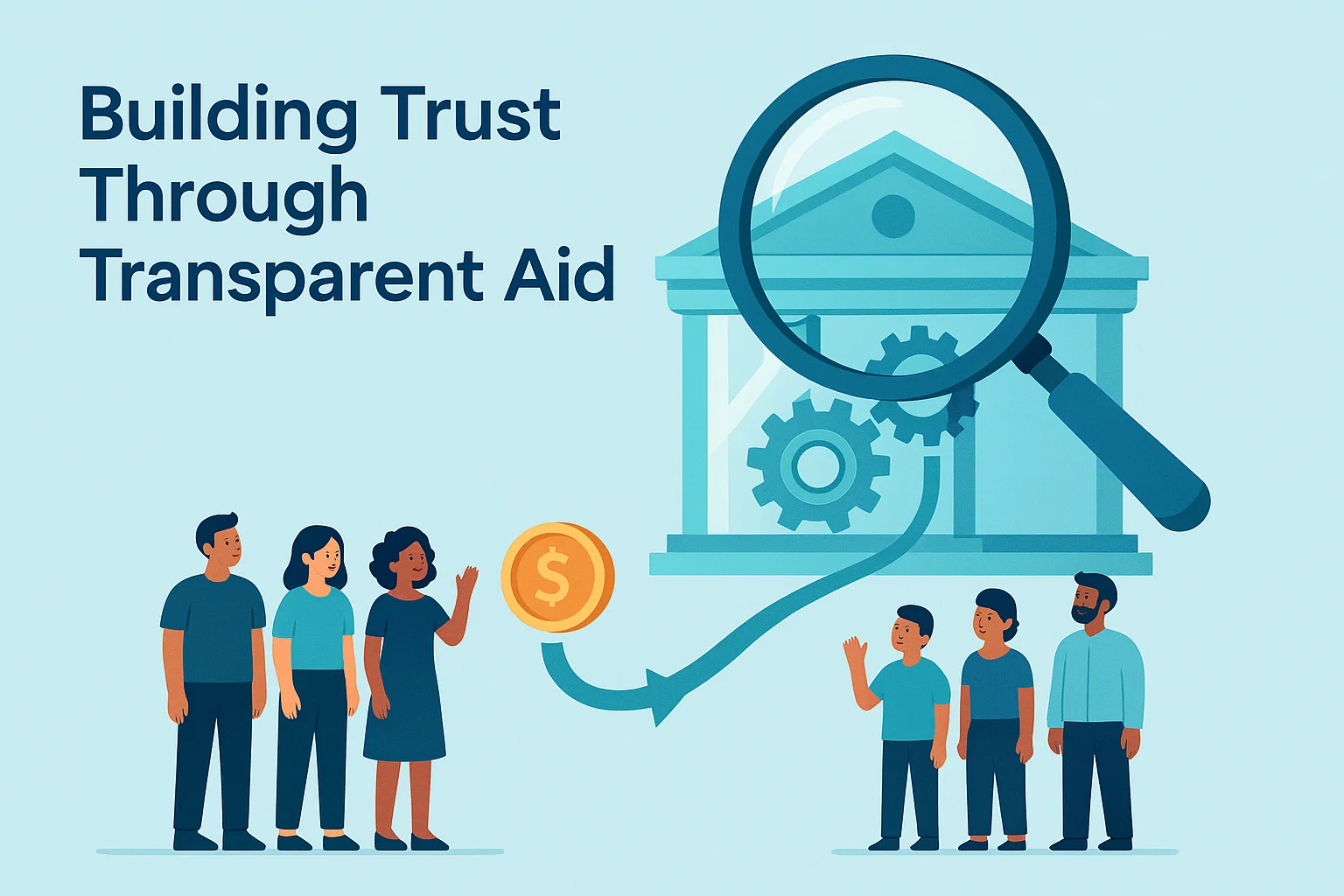
Transparency ensures that the process is open, fair, and honest. It’s about pulling back the curtain so you can see exactly how these vital programs are being run. Without it, trust begins to fade, and the system itself can fail.
What Does Transparency Really Mean?
In simple terms, transparency means the government is open about its actions. It doesn’t keep secrets about how it spends public money or who it helps. Imagine you’re baking a cake with a recipe. Transparency is like having the full list of ingredients and instructions right in front of you.
In a government aid program, this would mean the rules for who qualifies are clear and public. It would also mean that information on where the money goes is available for you to see. This isn’t about invading anyone’s privacy; it’s about accountability.
When a system is transparent, it becomes much easier to spot problems. You can see if funds are being managed correctly or if certain groups are being unfairly left out. It’s about creating a clear line of sight from the taxpayer to the person receiving help.
Building Trust with the Public
Trust between you and the government is essential. You pay your taxes with the expectation that the money will be used wisely to improve society. Government aid programs are a big part of that social contract.
When a government is secretive about its aid programs, it’s easy for suspicion to grow. People start to wonder if the money is being wasted or, worse, stolen. This erodes public confidence and can make people less willing to support such initiatives in the future.
On the other hand, an open and transparent system builds incredible trust. I believe that when you can see the positive impact of these programs and understand the process, you feel more connected to your community and more confident in your leaders.
The Fight Against Corruption
One of the biggest enemies of any aid program is corruption. It’s a sad reality that when large sums of money are involved, there’s always a risk of it ending up in the wrong pockets. Transparency is one of the most powerful weapons we have against this problem.
Think of it like this: corruption thrives in the dark. When decisions are made behind closed doors and records are kept secret, it’s easy for someone to misuse funds. Bringing everything into the light makes this kind of behaviour much more difficult.
The World Bank has estimated that corruption can divert a significant portion of funds meant for public services. By making budgets, contracts, and payments public, we create a system where officials know they are being watched. This accountability can save millions and ensure aid reaches its intended destination.
Empowering Citizens Through Information
Transparency isn’t just about holding the government accountable; it’s also about empowering you, the citizen. When you have access to information, you can understand your rights and make sure you’re getting the support you are entitled to. This is especially true for the people who rely on these aid programs the most.
Take, for example, the massive social grant system in South Africa, which supports millions of vulnerable citizens. For a program of that scale to function fairly, beneficiaries must have direct access to information about their own status. They shouldn’t be left in the dark, waiting and wondering.
Digital tools have become essential in providing this kind of transparency. People need a straightforward way to see if their application has been approved or when they can expect a payment. Just as an online SASSA Status Check portal of the South African SRD grant, which is a perfect example of how technology can empower individuals by giving them direct access to their own data, reducing uncertainty and the potential for exploitation.
A central, reliable source of information is critical. A portal like SASSA SRD grant helps demystify the process for applicants. It puts control back into the hands of the people, allowing them to verify information for themselves instead of relying on hearsay or potentially corrupt officials. This direct line of communication is a hallmark of a transparent system.
Key Elements of a Transparent Aid Program
Creating a truly transparent program requires a few essential components. I feel these are the non-negotiable building blocks for any government that is serious about accountability. A program can be considered transparent if it includes the following:
- Clear Eligibility Rules: The criteria for who can apply for aid and why must be published and easy to understand. There should be no secret rules or exceptions.
- Public Reporting: The government should release regular, detailed reports. These reports must show how much money was spent and, in general terms, who received the benefits.
- Easy Access to Information: People need simple ways to get answers. This includes functional websites, telephone hotlines, and accessible local offices.
- A Simple Appeals Process: You need a clear and fair way to challenge a decision. If your application is denied, you should be told why and how you can appeal.
The Road Ahead
Achieving full transparency is not always easy. It requires a real commitment from leaders and a willingness to invest in the technology and systems needed to make information accessible. It’s a continuous journey, not a final destination.
Technology, as I mentioned, plays a huge role. Online databases and citizen portals are making it easier than ever before to share information openly and efficiently. This progress gives me hope for a future where all government aid is distributed with the fairness and integrity that people deserve.
As a citizen, you can also play a part. You can demand transparency from your elected officials and support policies that promote openness. Your voice matters in pushing for a system that is accountable to the people it serves.
Ultimately, transparent government aid isn’t just a technical goal; it’s a moral one. It’s about making sure that our collective resources are used to lift people up and build a stronger, fairer society for everyone. It ensures that the promise of a safety net is one that can truly be trusted.