Introduction
Children in Need 2025 captured the attention of families, schools, workplaces, and communities across the United Kingdom because it brought together two things that matter deeply to the public: practical compassion and collective action. The appeal was not simply a television moment or a familiar annual charity drive. It was part of a wider national effort to help children and young people facing poverty, isolation, grief, anxiety, inequality, disability, and family hardship through projects rooted in local communities across the UK.
For readers searching online, the strongest interest usually revolves around a few clear questions: when the appeal happened, what the theme was, how to donate safely, and how ordinary people could take part in meaningful fundraising. That is exactly why this article focuses on the essentials while also exploring the bigger picture behind the campaign. It looks at the 2025 appeal as both a public event and a practical support system backed by organised funding, local relationships, and long-term community impact.
Why Children in Need 2025 mattered to UK audiences
What made the 2025 appeal especially relevant was the way it connected national visibility with local need. BBC Children in Need described its mission in terms of helping children and young people have someone to turn to when life feels too heavy, while its wider impact reporting showed support reaching hundreds of thousands of children and young people across the UK through funded organisations and projects. That balance between emotional storytelling and measurable social support is one reason the campaign continued to resonate so strongly with UK audiences.
The campaign also mattered because it reflected real pressures facing many children and families. BBC Children in Need’s 2026 impact material reported support for 363,000 children and young people, funding for 1,600 projects totalling £96.1 million, and a focus on issues such as mental health, poverty, social inequality, and family challenges. When a charity explains not only that need exists but also where support goes and what changes it helps create, readers are more likely to see fundraising as something concrete rather than symbolic.
When the appeal happened and why timing shaped public interest
One of the most searched details about the campaign was the appeal date, and the answer was clear: the 2025 appeal show took place on Friday 14 November 2025. The charity’s official FAQ page confirmed that date, and BBC Children in Need’s campaign launch material also pointed to Friday 14 November as the date of the year’s iconic appeal show. Because search users often want fast factual answers before reading anything else, this timing detail sits at the heart of the topic.
Timing mattered for another reason too. The official campaign assets stated that the 2025 appeal campaign launched on 15 September 2025, which meant the public-facing appeal was not just a single night but a wider seasonal fundraising period. That broader window gave schools, families, and workplaces time to plan activities, create donation pages, share sponsorship links, and build momentum before appeal day arrived. In SEO terms, this also explains why searches around the topic covered both event-date intent and fundraising-intent at the same time.
The campaign theme and the message behind it
The defining idea behind the 2025 campaign was the call to “Challenge Yourself” and, more specifically, the “Challenge Yourself to 25” concept. Official campaign material explained that supporters were encouraged to build creative activities around the number 25, while the fundraising inspiration page suggested examples such as walking, running, scooting, or swimming 5km each day of appeal week to complete 25km by appeal day. This gave the appeal a simple, memorable structure that could be adapted for almost any age group or setting.
What made the theme effective was its flexibility. Rather than limiting supporters to a single type of fundraiser, the campaign used the number 25 as a creative framework that could fit exercise challenges, school quizzes, bake sales, dance routines, family tasks, community events, and office competitions. BBC Children in Need’s launch statement even described examples ranging from baking 25 cupcakes to running 25 miles or wearing 25 hairstyles, which shows how the theme worked equally well for serious sponsored efforts and lighter, community-friendly ideas.
How the appeal helps children and young people across the UK
A strong article on this subject has to move beyond surface-level event coverage and explain how donations are meant to help. BBC Children in Need’s own descriptions focus on making sure children and young people have someone to turn to, whether that means emergency essentials, emotional support, mentoring, safe spaces, or specialist help in communities facing inequality and hardship. The organisation’s public materials describe practical examples that include food, clothing, beds, mentoring, and trained support for children who are anxious, isolated, grieving, living with illness, or navigating difficult family circumstances.

Its impact reporting gives that explanation more depth. According to the 2026 impact material, projects funded by BBC Children in Need supported 363,000 children and young people in the previous year, with attention to mental health, poverty, social inequality, and family challenges. School-facing impact pages also reported outcomes such as stronger emotional wellbeing, better relationships, increased self-belief, improved physical wellbeing, and greater empowerment. Those details matter because they help readers understand that donations support sustained, relationship-based work rather than a short burst of seasonal publicity.
Why Children in Need 2025 stayed so visible in search and public conversation
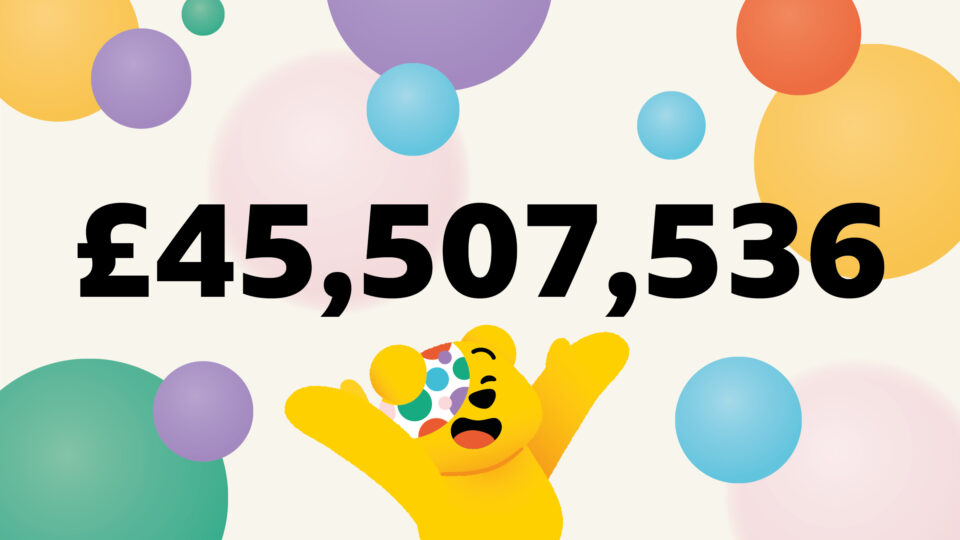
Part of the staying power of the appeal came from the way the campaign joined emotional storytelling, public participation, and trusted broadcasting. The charity’s 2025 launch announcement described collective action as the central idea of the year’s appeal, and its later media-centre listing recorded a published result of £45.5 million for the 2025 appeal. When people see a campaign that combines a familiar national platform with recognisable community participation, the public conversation naturally extends beyond one evening and continues through search, news, schools, and social sharing.
The campaign also benefited from visible personalities and recognisable fundraising narratives. The launch announcement highlighted Paddy McGuinness and Vernon Kay, while broader coverage around the appeal night included major fundraising challenges and public gratitude. Yet the real reason interest lasted was not celebrity alone. It was the sense that ordinary people could do something tangible, whether by donating a modest amount, taking on a sponsored challenge, or turning a school or workplace event into money for local support networks.
How to donate to Children in Need 2025
For many readers, the most practical part of the article is the donation section, and official guidance made the process straightforward. BBC Children in Need’s donation page listed several routes, including online donations, text donations, phone donations, and payments through Post Offices, banks, and building societies. The charity also directed supporters to a donation portal where people could choose between a single donation, a monthly donation, or paying in fundraising money. That range of options helped make giving accessible to different types of supporters.
The official text-donation terms added more detail for mobile donors. They explained that supporters could donate by texting a keyword to a short code and gave examples such as texting FIVE to 70701 to donate £5, TEN for £10, and TWENTY for £20, with the campaign dates for those donation routes running from 1 July 2025 to 30 June 2026. The same guidance also noted that alternative routes remained available for those who preferred to donate online or by phone. For readers, the most important principle is simple: use official channels and avoid unofficial copies or third-party pages that are not clearly connected to the charity.
Fundraising ideas for Children in Need 2025
Children in Need 2025 worked especially well as a fundraising topic because the campaign theme turned creativity into a clear framework. The official fundraising hub encouraged supporters to choose something they would enjoy, decide on a challenge, and raise money in a way that could have an impact in their community. The site specifically highlighted ideas such as bake sales, active challenges, and fancy dress, while the “Challenge Yourself to 25” pages expanded that idea into a flexible theme suitable for almost any setting.
That flexibility is where the best fundraising ideas begin. A family could set a 25km walking goal across appeal week, a local club could host a 25-question quiz night, a workplace could run a 25-minute challenge circuit, and a neighbourhood group could organise a 25-item bake table. The purpose is not to create a perfect charity event but to build participation that people actually enjoy. Fundraising succeeds when it feels realistic, social, and easy to explain, which is why the appeal’s number-based theme was such an effective model for community action.
Practical fundraising ideas for families, communities, and workplaces
Families often do best with activities that feel playful rather than complicated. A simple sponsored walk, a 25-lap garden challenge for children, a home bake sale, a film night with donation jars, or a shared family target on a fundraising page can all work because they are easy to organise and easy to explain to friends. The official inspiration around taking on 25km across appeal week shows that family participation was built directly into the campaign model, rather than added as an afterthought.
Community groups and workplaces benefit from a slightly different approach. For those settings, the strongest ideas are public enough to attract support and simple enough to manage without burnout. A community centre could run fancy dress, a local sports club could set up a sponsored distance challenge, and an office team could use a JustGiving page linked to a themed event such as a bake sale, quiz, dress-up day, or movement challenge. Because the fundraising hub explicitly points to secure online collection and downloadable resources, organisers do not have to invent the whole process from scratch.
How to set up a fundraising page and pay money in safely
One of the most useful official recommendations was to set up a JustGiving page. BBC Children in Need’s fundraising hub described this as a secure way to collect donations online and share a fundraiser with friends and family. That matters because the easier it is for people to give quickly and safely, the more likely they are to follow through. A good fundraising page also gives supporters a visible goal, a reason for the event, and a quick route to donate without needing cash handling or complex record keeping.
Once money has been raised, paying it in correctly matters just as much as collecting it. The official donation guidance says there are easy and secure ways to pay in fundraising, including online methods, Post Offices, and other financial locations such as banks and building societies. For some supporters, the donation site also provides tailored routes for school fundraising and workplace fundraising. The practical lesson for organisers is clear: plan the payment route before the event, not after it, so donors know their contributions will move smoothly from fundraiser to charity.
Children in Need 2025 in schools, nurseries, and secondary education
Schools were one of the strongest pillars of the campaign. BBC Children in Need’s schools page thanked schools across the country that chose to “Challenge Yourself” in 2025 and reported that schools were on track to raise £3 million. The site also split support by school phase, offering dedicated areas for early years, primary, and secondary settings. That structure shows just how important schools are to the appeal, not only as fundraising venues but also as places where children can learn about empathy, participation, and shared responsibility.
The school resources also show how carefully the campaign was adapted for different age groups. Primary and nursery pages included ways to pay in online and support collection, while the secondary section highlighted specific 2025 activities such as Pudsey’s quiz, bear pong, and a 25-step Strictly dance challenge. These examples matter because they prove school fundraising does not have to be repetitive. A successful school event can be active, funny, musical, reflective, or educational, as long as it stays easy to join and clearly linked to the wider appeal.
Why schools are such a powerful part of the appeal
School fundraising matters because it combines visibility, scale, and emotional learning. In a school setting, fundraising is rarely just about money. It is also about helping children understand fairness, kindness, shared effort, and how communities support one another. BBC Children in Need’s school-facing impact pages reinforced this idea by linking fundraising to meaningful outcomes, including stronger self-belief, stronger emotional wellbeing, better relationships, and greater empowerment among children and young people supported through funded projects.
Schools also have a practical advantage: they are already communities. When children, teachers, parents, and carers are all part of one network, promotion becomes easier and participation becomes more natural. A poster in the corridor, a message to parents, a school assembly, a classroom challenge, and a donation link can work together without the organiser needing to build a new audience from nothing. That is one reason school activity remains such a powerful force in the annual appeal and why school-related searches around the campaign were so prominent.
Tips for planning a successful fundraiser without making it complicated
The most effective fundraiser is often the one that sounds easiest when people hear about it for the first time. A strong idea should be clear enough to explain in one sentence, enjoyable enough that people want to join, and focused enough that supporters can understand the goal immediately. The charity’s own fundraising advice reflects that logic by emphasising enjoyment, choice, and simple challenge-based action rather than over-engineered event planning. When a fundraiser feels natural, participation rises.
Promotion should be honest, consistent, and brief. People are more likely to donate when they know what the activity is, who is taking part, when it happens, and how the money will be collected. A good organiser shares progress without overwhelming supporters, uses official donation links, thanks people clearly, and keeps the message tied to the cause rather than personal performance alone. In other words, the best fundraiser is not the loudest one. It is the one that feels credible, warm, and easy to trust.
Why public trust matters when people choose to donate
Charity fundraising works best when supporters believe their effort is being handled responsibly. BBC Children in Need strengthens that trust by publishing official FAQs, donation methods, fundraising guidance, media-centre updates, annual reporting, and impact material. For readers, these public resources signal that the campaign is not just emotionally persuasive but also administratively organised. That combination is essential in any modern charity environment, especially when donors are increasingly careful about how and where money is used.
Trust also grows when the charity communicates both urgency and limits. In the 2025 campaign launch, BBC Children in Need stated that it could fund only 1 in 6 eligible projects that apply for funding. That is a powerful message because it does not exaggerate the appeal as a complete solution. Instead, it frames fundraising as part of a larger effort to meet rising need. When donors understand both the value of support and the scale of unmet demand, they are more likely to see their contribution as serious and necessary.
What the published 2025 result says about national support
The official media-centre listing for the charity recorded a press release titled “BBC Children in Need’s 2025 Appeal raises £45.5m,” showing the strength of public support behind the campaign. Search results and reporting around the appeal night also reflected that same figure. While fundraising totals are not the only way to judge success, they do help explain why the campaign remained so visible after the event itself. A published figure of that size signals that the appeal remained one of the most recognisable and effective public fundraising moments in the UK calendar.
At the same time, the result matters most when linked back to impact. Fundraising totals become meaningful because they support grants, projects, and partnerships that reach children and young people where they live. The wider public reporting around BBC Children in Need in 2026 points to funding, support relationships, and community-based services rather than a narrow focus on one-night entertainment. That is the deeper story behind the total: not only that people gave, but that the money helps sustain organisations working directly with children facing difficult realities.
The lasting value of the 2025 campaign for readers and future fundraisers
Even though the 2025 appeal belonged to a specific moment, its value stretches beyond one campaign cycle. It offers a strong case study in how a charity can combine clear messaging, broad participation, trusted public communication, and practical donation routes. For readers searching today, the subject still matters because it shows how a national campaign can turn a simple idea into large-scale action. The combination of date clarity, theme clarity, easy donations, school involvement, and community challenges made the appeal highly searchable and highly usable.
It also leaves behind a useful lesson for anyone planning future fundraising. The strongest campaigns do not rely on complexity. They rely on a clear reason to care, a clear action to take, and a clear route for turning generosity into support. That is what made the 2025 appeal memorable. It asked people to challenge themselves in ways that felt personal, social, and achievable, while keeping the purpose firmly focused on children and young people who need support in communities across the UK.
Conclusion
Children in Need 2025 stood out because it balanced emotional resonance with practical action. The appeal took place on Friday 14 November 2025, centred its public message on “Challenge Yourself to 25,” and gave supporters multiple official ways to donate, fundraise, and pay money in securely. It also drew strength from schools, family participation, workplace creativity, and the broader trust that comes from public reporting, official resources, and visible impact across the UK.
For readers, the real value of the topic lies in understanding that charity success is never only about a headline total or a televised event. It is about what happens after the donations are collected: grants awarded, safe spaces maintained, emotional support provided, and practical help delivered to children and young people who need it. That is why the 2025 appeal continues to matter as both a fundraising story and a reminder of how shared effort can create lasting local change.
FAQs
What date was the 2025 appeal show?
The official BBC Children in Need FAQ page states that the 2025 appeal show took place on Friday 14 November 2025. That date was also echoed in the charity’s 2025 launch announcement, which positioned the show as the central public moment of the year’s campaign. For search users looking for a quick answer, this is the most direct and reliable date to use.
What was the theme of the 2025 campaign?
The campaign was built around the call to “Challenge Yourself,” with the more specific “Challenge Yourself to 25” concept used across public fundraising materials. Official inspiration pages encouraged supporters to base their activities on the number 25, including completing 25km by appeal day or creating their own 25-themed fundraiser. This theme made the campaign easy to remember and easy to adapt.
How could people donate?
BBC Children in Need listed several official donation options, including online donations, text donations, phone donations, and payments through Post Offices, banks, and building societies. The charity’s donation portal also allowed supporters to choose between a single donation, a monthly donation, or paying in money already raised through fundraising activities. Using official routes is the safest and most reliable approach.
Could schools take part?
Yes. Schools were a major part of the campaign, and the official schools section thanked schools that chose to participate in 2025 while reporting they were on track to raise £3 million. BBC Children in Need also offered phase-specific guidance for early years, primary, and secondary settings, with different resources and ways to pay in funds depending on the age group and school type.
What were some good fundraising ideas?
The official fundraising hub highlighted ideas such as bake sales, active challenges, and fancy dress, while the theme itself encouraged 25-based activities. That means a good fundraiser could be a 25km movement challenge, a 25-question quiz, a 25-item bake table, a 25-minute office activity, or a school challenge built around music, movement, or team participation. The best idea is usually the one that feels simple, enjoyable, and easy to share.
How did the charity suggest supporters collect donations online?
BBC Children in Need’s fundraising hub recommended setting up a JustGiving page so supporters could collect donations securely online and share their fundraiser with friends and family. This route helps reduce friction for donors because it offers a familiar digital format and a straightforward way to contribute. It also makes it easier for organisers to promote a clear target and keep their fundraising activity visible.
How could fundraising money be paid in?
Official guidance explained that BBC Children in Need offers a variety of easy and secure ways to pay in fundraising. Supporters could use online payment routes, and the charity also said that Post Offices, HSBC, and most other banks and building societies accept donations all year round. School and workplace fundraisers also had dedicated pay-in options through the donation platform.
How much did the 2025 appeal raise?
The official media-centre listing for BBC Children in Need included a press release stating that the 2025 appeal raised £45.5 million. That published result reflects the scale of public participation and explains why the campaign remained prominent in coverage and search results after appeal night. The figure matters most as a marker of support for the projects and organisations funded through the charity’s wider work.
You may also read: How the Charity Operated and Raised Funds