
Introduction
When people search for Fexofenadine 360 mg Daily, they are usually not looking for a basic allergy explainer. They are trying to answer a more urgent and specific question: is this amount safe, why would anyone take it, and does it belong to ordinary hay fever treatment or to something more complex such as chronic urticaria. That search intent matters because the standard adult dose listed by major patient-facing sources is usually much lower, so a 360 mg daily total immediately raises concern about risk, supervision, and the reason behind the prescription.
This article is designed to meet that exact intent in clear, practical language. It explains what fexofenadine does, why high-dose discussions usually appear in the context of hives rather than seasonal allergies, what side effects people should know about, and why online dose comparisons can be misleading without medical context. It also keeps a UK-friendly lens throughout, because NHS guidance, local prescribing practice, and specialist pathways all shape how readers interpret the phrase and whether they see it as routine, unusual, or part of supervised care.
What Fexofenadine Is and How It Works
Fexofenadine is a second-generation antihistamine used to relieve symptoms linked to histamine release, including itching, sneezing, runny nose, rashes, and hives. It is commonly described as a non-drowsy antihistamine, which is one reason it became widely preferred over older medicines that were more likely to interfere with alertness, concentration, and daytime functioning. NHS guidance explains that it is used for allergies and reactions such as insect bites and stings, while other trusted sources also list chronic hives as a routine indication at standard doses.
Its core role is not to cure the cause of allergy or urticaria, but to block the action of histamine at H1 receptors so that symptoms become quieter and more manageable. That distinction matters for writers and readers alike. A person taking this medicine may feel better because itching fades and swelling settles, but the underlying trigger may still exist. In chronic spontaneous urticaria especially, the treatment goal is often long-term symptom control, which is why clinicians sometimes move beyond ordinary dosing and think in terms of response, persistence, and quality of life instead of simple short-term relief.
What a 360 mg Daily Dose Really Means
In plain terms, a 360 mg daily total usually means two 180 mg tablets taken across the day, though exact schedules can differ depending on the clinician’s advice and the condition being treated. For general public-facing guidance, the usual adult dose for hives is 180 mg once a day, and standard sources also list 60 mg twice daily or 180 mg once daily for adults and older children in common allergy settings. That makes a daily total of 360 mg a higher-than-routine amount, not the ordinary starting point for self-directed treatment.
This is where search confusion begins. Many readers compare what is printed on a packet, what a doctor once prescribed, what a forum user reported, and what a specialist pathway allows, then assume all those numbers carry the same meaning. They do not. A licensed usual dose, an off-label specialist strategy, and a short supervised escalation plan are three different things. High-dose references often come from chronic urticaria management pathways or studies, not from standard hay fever advice meant for the general public buying or using an antihistamine without specialist review.
Why Chronic Urticaria Changes the Conversation
Chronic urticaria is not just an annoying rash that comes and goes. It is a condition in which hives, swelling, or both keep returning for weeks or longer, often without a clear external trigger. Because the itching can be intense and the flare pattern unpredictable, the illness can disturb sleep, strain concentration, affect work, and create a constant sense of uncertainty. That is why treatment discussions in this area are usually more layered than standard seasonal allergy advice. They focus on control, escalation, persistence, and response over time rather than one simple tablet choice.
In this context, clinicians may consider up-dosing a second-generation antihistamine if symptoms stay active despite a standard regimen. Several reviews and clinical discussions note that non-sedating antihistamines, including fexofenadine, are among the medicines considered for this kind of escalation in chronic spontaneous urticaria when ordinary doses are not enough. That does not mean every patient needs higher doses, nor does it mean a reader should increase medication independently. It simply explains why the phrase attracts so much attention online: it sits at the meeting point of fear, discomfort, and specialist practice.
Is Fexofenadine 360 mg Daily Safe?
The most accurate answer is that Fexofenadine 360 mg Daily is not a routine self-care dose, but it has been discussed in clinical studies and specialist management pathways as a possible supervised strategy for selected patients with chronic urticaria. A small study on higher-dose use in chronic spontaneous urticaria found symptom improvement in many patients, and broader reviews have described up-dosed second-generation antihistamines as an accepted option in non-responsive cases. UK regional guidance also shows that higher totals may be considered in structured urticaria pathways rather than in ordinary allergy advice.
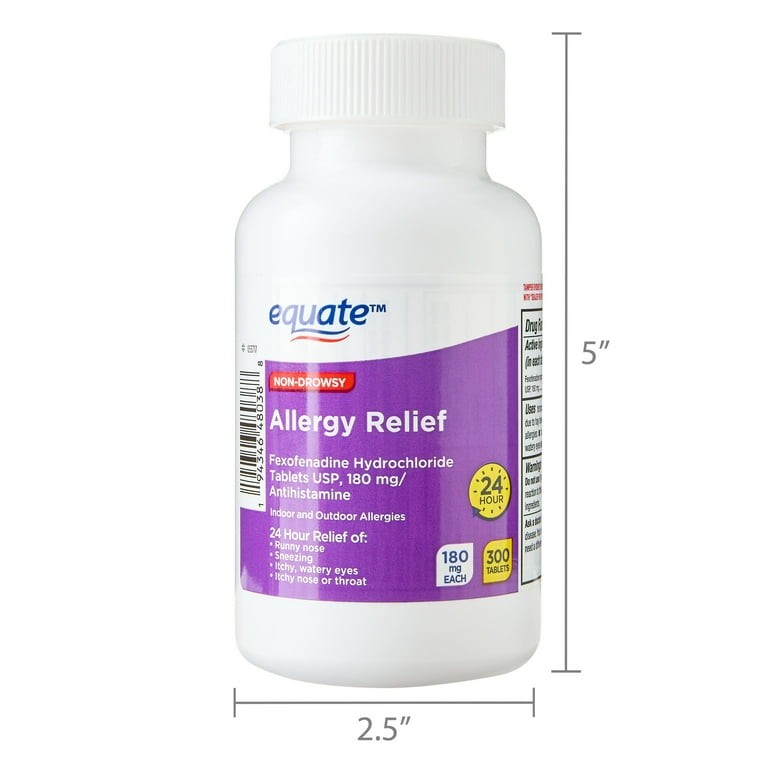
Safety, however, is never just about the number on paper. It depends on why the medicine is being used, what else the patient is taking, whether kidney or heart issues are present, whether the person is pregnant or breastfeeding, and whether a clinician is monitoring symptom control and tolerability. NHS guidance says some people should check with a doctor before using fexofenadine, including those with liver or kidney problems, past heart problems, pregnancy, breastfeeding, or upcoming allergy testing. That is why the better safety message is not “yes” or “no,” but “sometimes, in the right context, with proper medical oversight.”
Standard Dose and Specialist Up-Dosing Are Not the Same Thing
For everyday public guidance, the dosing message is straightforward. NHS and Mayo Clinic materials present usual adult dosing around 120 mg once daily for hay fever and 180 mg once daily or 60 mg twice daily for chronic hives and common allergy symptoms. That is the baseline most readers should keep in mind when they first compare medication strengths or wonder whether two 180 mg tablets can simply be treated as a normal daily habit. Standard dosing is meant to guide ordinary use; it is the reference point from which any increase is judged.
Specialist up-dosing belongs to a different clinical lane. Some UK urticaria pathways describe escalation beyond licensed routine levels, including higher daily totals, but these recommendations appear in chronic urticaria management documents and referral frameworks, not in mainstream self-care instructions. The difference is crucial for SEO content because many users land on an article after seeing mixed messages in search. A strong article should explain that the existence of a pathway does not automatically turn an off-label or specialist dose into a universal recommendation for general allergy relief.
What Research Suggests About Tolerability and Alertness
One reason fexofenadine stands out among antihistamines is its reputation for causing less sedation than older first-generation medicines. NHS describes it as non-drowsy, though it also cautions that some people may still feel sleepy. That balanced wording is important because it avoids false certainty. In real life, medicines do not affect everybody the same way. Even if a drug is designed to be less impairing, factors such as individual sensitivity, illness, sleep loss, alcohol, or other medicines can still change how someone feels after taking it.
Studies frequently cited in the literature suggest that even 360 mg dosing did not show disruptive psychomotor or cognitive effects in the tested settings, and later reviews have echoed the observation that 360 mg daily has not been linked to meaningful cognitive or psychomotor impairment in reported research. That is reassuring, but it should still be framed carefully. Research findings do not erase personal variation, nor do they replace advice to avoid driving or operating machinery if a person feels sleepy or dizzy. Good medical writing leaves room for both evidence and ordinary human unpredictability.
Side Effects People Most Often Want to Know About
When readers ask about side effects, they are usually asking more than one thing at once. They want to know the common reactions, the serious warnings, and whether the risk changes when the dose is higher than normal. NHS lists common effects including headaches, feeling sleepy, feeling sick, and feeling dizzy, while rare but important warnings include a fast or irregular heartbeat and the possibility of a serious allergic reaction. These are exactly the points a high-quality article should cover plainly, because they match the emotional logic of the search.
Data from studies and reviews of up-dosed use in chronic urticaria often suggest that fexofenadine remains fairly well tolerated, with headache appearing as a noted complaint and low evidence of sedation compared with older antihistamines. Even so, readers should not mistake “well tolerated in studies” for “risk free in every person.” The safest interpretation is that many patients handle the medicine well, but any unusual reaction, worsening dizziness, palpitations, swelling, or breathing difficulty deserves prompt medical attention. Accuracy improves trust, and trust improves both user experience and long-term search performance.
How to Take It Properly for the Best Effect
How a medicine is taken can be almost as important as the stated strength. NHS advises that 120 mg and 180 mg fexofenadine tablets should be taken before a meal and swallowed with water. It also recommends taking them at roughly the same time each day. That simple routine helps absorption stay more predictable and makes it easier for patients to judge whether the medicine is working, whether symptoms are improving, and whether a missed dose or poor timing might be part of the problem.
This practical advice matters especially in articles built around Fexofenadine 360 mg Daily, because readers focusing on the dose can easily overlook the small details that shape effectiveness. A person may blame the medicine itself when the real issue is inconsistent timing, taking tablets with the wrong drink, or switching the schedule repeatedly. Good health content should therefore remind readers that high-dose discussions do not cancel out basic use instructions. Even a well-chosen treatment can underperform if it is taken in a way that reduces absorption or breaks the intended routine.
Juice, Antacids and Alcohol Can Change the Picture
One of the most overlooked details about fexofenadine is its interaction with certain fruit juices. NHS says apple, orange, and grapefruit juice can reduce how well the medicine works, and Mayo Clinic similarly advises taking it with water rather than those juices. This is not a minor footnote. For someone already worrying that symptoms are not improving, washing the tablet down with juice could make a good medicine look weaker than it really is. In an SEO article, this is one of the most useful practical details you can include.
Antacids matter too. Mayo Clinic warns against taking antacids that contain aluminium or magnesium hydroxide within a short window of fexofenadine, because they can interfere with absorption. NHS also notes that alcohol is best avoided because it can make some people feel sleepy. These are not dramatic or mysterious interactions, but they are highly relevant to real-world use. Many patients do not connect indigestion remedies, evening drinks, or breakfast juice with poorer symptom control, yet those routine habits can complicate how the medicine feels and performs.
Allergies and Hives Are Not the Same Treatment Story
It is tempting to think of antihistamines as one-size-fits-all medicines for any itchy, sneezy, or swollen problem. But hay fever and chronic hives do not always follow the same treatment logic. Standard public guidance places fexofenadine clearly within ordinary allergy care for symptoms such as hay fever, while chronic urticaria often demands a more flexible strategy if symptoms remain active. That is why the keyword performs differently from a simpler phrase like “fexofenadine for allergies.” The search itself suggests a more difficult treatment situation.
In practice, higher-dose discussions are much more strongly associated with chronic spontaneous urticaria than with routine seasonal allergy relief. Regional UK pathways and review literature both reflect this. A person with ordinary pollen symptoms is far less likely to need specialist escalation than someone dealing with hives that keep returning despite standard therapy. That distinction should sit near the heart of any article meant to rank well, because it aligns content with user intent and helps separate general allergy education from the more specific story of urticaria management.
What It May Mean When Symptoms Still Do Not Improve
If symptoms continue despite treatment, the next step is not always “take more.” Persistent hives can reflect the complexity of chronic spontaneous urticaria itself, but they can also raise questions about diagnosis, missed triggers, inconsistent dosing, poor adherence, or an interaction that reduces drug absorption. An article that only repeats dosage numbers misses the real human problem. People want relief, but they also want a reason. Good content should therefore explain that ongoing symptoms are a signal to review the entire picture, not just the milligram total.
Specialist care becomes more important when hives are frequent, distressing, or resistant to initial treatment. Some UK pathways recommend using maximum stepped antihistamine strategies for a period before specialist referral is considered, showing that escalation is usually part of a process rather than an isolated decision. This helps readers understand why self-adjustment can be risky. Even when higher doses appear in formal guidance, they belong inside a wider management plan that may involve monitoring, review, and, if necessary, movement toward other therapies beyond antihistamines alone.
Who Should Be Especially Careful
Certain groups should approach fexofenadine more cautiously and should not make high-dose decisions on their own. NHS advises checking with a doctor if there are liver or kidney problems, a history of heart problems, pregnancy, breastfeeding, or upcoming allergy testing. Mayo Clinic also notes that older adults may be more likely to have kidney-related issues that influence dosing decisions. In practical terms, that means the same tablet strength can carry different implications for different people, even when the label looks familiar.
Pregnancy and breastfeeding deserve especially careful wording. UK specialist pharmacy guidance says loratadine and cetirizine are generally preferred during pregnancy and for breastfeeding full-term healthy infants, while human pregnancy data for fexofenadine are limited and use may need case-by-case judgement. That does not mean fexofenadine is automatically forbidden, but it does mean content should avoid casual reassurance. In this area, the most responsible message is simple: speak to a clinician before using or escalating any antihistamine if pregnancy or breastfeeding is part of the picture.
Why Self-Increasing the Dose Is a Bad Idea
Online health searches often begin with a very human impulse: the medicine is not working, so perhaps a higher amount will. But self-increasing an antihistamine can blur the difference between careful therapy and trial-and-error dosing. Because higher totals do appear in studies and pathways for chronic urticaria, readers may assume those numbers are a green light for independent adjustment. They are not. Research settings, specialist clinics, and structured regional pathways all involve context, follow-up, and clinical judgement that a search result cannot provide on its own.
A safer article does not try to frighten readers, but it does put boundaries around what web content can responsibly encourage. The right takeaway is that Fexofenadine 360 mg Daily may exist within supervised management for some people with chronic urticaria, yet that does not make it the right answer for everybody with itching, sneezing, or a rash. Search-friendly content becomes more valuable, not less, when it resists oversimplification and tells readers where online information ends and individual medical care begins.
When to Speak to a Doctor
A doctor or specialist should be involved if hives keep returning, if swelling affects the lips or eyes, if ordinary antihistamine dosing is not controlling symptoms, or if the person is considering a higher total based on online advice, an old prescription, or someone else’s experience. NHS also advises urgent help for rare but serious problems such as a fast or irregular heartbeat and emergency help for signs of a severe allergic reaction. These warning points matter because they help readers separate nuisance symptoms from red-flag symptoms.
Medical review is also sensible when a person has kidney disease, pregnancy, breastfeeding, major heart concerns, or multiple medicines that might complicate treatment. Even when the symptom pattern seems familiar, the safest route is still to match treatment to the real diagnosis. Chronic urticaria, ordinary allergy, food reaction, drug reaction, angioedema, and other skin problems can overlap in appearance while requiring very different decisions. A well-optimized article should not just answer the search; it should guide the reader toward the right level of care.
Conclusion
Fexofenadine 360 mg Daily is one of those health queries that looks simple but carries a lot of hidden meaning. Behind the phrase is usually a person trying to reconcile standard patient instructions with stories of specialist treatment for chronic hives. The clearest interpretation is that 360 mg per day is higher than routine public guidance, yet it does appear in research and specialist urticaria pathways for selected patients when ordinary doses do not give enough control. That difference between ordinary use and supervised escalation is the key to understanding the topic well.
For readers, the most useful takeaway is balanced rather than dramatic. Fexofenadine can be an effective and often well-tolerated antihistamine, and even higher doses have been studied without clear evidence of major cognitive impairment in the reported literature. But a higher daily total should never be treated as a casual DIY solution. The best outcomes come from clear diagnosis, careful dosing, attention to interactions such as juice and antacids, and professional review when symptoms persist or treatment plans move beyond the usual starting dose.
FAQs
Many readers arrive at this topic with the same cluster of worries: is the dose too high, is it still considered non-drowsy, and is the medicine being used for ordinary allergies or for something more stubborn such as chronic urticaria. Those are sensible questions, because public-facing dose guidance and specialist urticaria pathways do not always sound alike when quoted out of context. The short answers below aim to reduce confusion without oversimplifying a topic that often needs medical judgement.
The best way to read these answers is as educational guidance, not as a substitute for a personal treatment plan. Dose decisions depend on the reason for treatment, the person’s medical background, and whether a clinician is managing chronic hives that have not responded to ordinary therapy. If symptoms are severe, persistent, or associated with swelling, palpitations, or breathing trouble, medical advice matters more than any general article can.
What is Fexofenadine 360 mg Daily usually used for?
This phrase is most often linked to chronic spontaneous urticaria rather than routine hay fever. Standard public guidance usually places ordinary adult dosing lower, while higher totals appear more often in specialist discussions about persistent hives that do not settle with the usual dose.
Is 360 mg of fexofenadine considered a normal adult dose?
No, it is generally above the usual public-facing adult dose for allergies or hives. Standard NHS and Mayo Clinic guidance centers on 120 mg once daily for hay fever and 180 mg once daily or 60 mg twice daily for common adult allergy and hives indications.
Can two 180 mg tablets a day ever be prescribed?
Yes, higher totals do appear in research papers and some UK urticaria pathways, but usually in chronic urticaria settings and under clinical supervision. That is very different from assuming two tablets daily is a standard self-care plan for all allergy symptoms.
Does fexofenadine still count as non-drowsy at higher doses?
It is still classed as a non-drowsy antihistamine, and studies cited in the literature report no clear psychomotor or cognitive disruption at 360 mg in the tested conditions. Even so, NHS notes that some people can still feel sleepy, so real-world caution still matters.
What side effects are most commonly reported?
Common effects listed by NHS include headache, feeling sleepy, feeling sick, and dizziness. Serious side effects are rare, but a fast or irregular heartbeat and signs of severe allergic reaction require urgent medical attention.
What should I avoid while taking fexofenadine?
Take it with water, not apple, orange, or grapefruit juice, because those juices can reduce how well the medicine works. Also be careful with aluminium- or magnesium-containing antacids around the time of dosing, and avoid alcohol if it makes you sleepy.
Is this dose used for ordinary seasonal allergies?
Usually, no. Higher-dose discussions are much more strongly tied to chronic hives than to standard hay fever care. For seasonal allergies, public guidance typically stays within normal adult dosing rather than specialist escalation pathways.
Who should talk to a doctor before using or increasing fexofenadine?
Anyone who is pregnant, breastfeeding, has kidney or liver issues, has heart problems, is older with possible kidney impairment, or is planning allergy testing should seek medical advice before making dose decisions. Those groups are specifically highlighted in major patient or professional guidance.
You may also read: Online Stores and Wholesale Options