Cleaning is a routine part of maintaining a safe and healthy environment, whether at work or at home. However, not all cleaning jobs are the same. Some situations require more than a mop and disinfectant, especially when dealing with hazardous materials.
Biohazard cleaning goes far beyond general cleaning tasks, focusing on contamination control and safety. Stay with us until the end to understand what sets biohazard cleaning apart from standard cleaning.
A Look at Standard Cleaning
Standard cleaning involves removing visible dirt, dust, and grime from everyday environments such as offices, schools, and homes. It focuses on surface hygiene tasks like vacuuming, dusting, and sanitising commonly touched areas.
Regular cleaning helps maintain cleanliness and prevent the spread of basic bacteria, but it doesn’t deal with dangerous substances or pathogens. Standard cleaning is suitable for routine maintenance. It’s what keeps workspaces tidy and presentable.
However, when an environment has been exposed to biological risks like blood, bodily fluids, or chemical spills, standard cleaning alone isn’t enough.
What Makes Biohazard Cleaning Different?
Biohazard cleaning requires specialist training, protective equipment, and strict safety protocols. It deals with full decontamination of areas exposed to biological or chemical hazards. This can include:
- Trauma scenes
- Medical waste
- Flood contamination
- Drug labs
- Environments affected by viruses and bacteria
- And many more
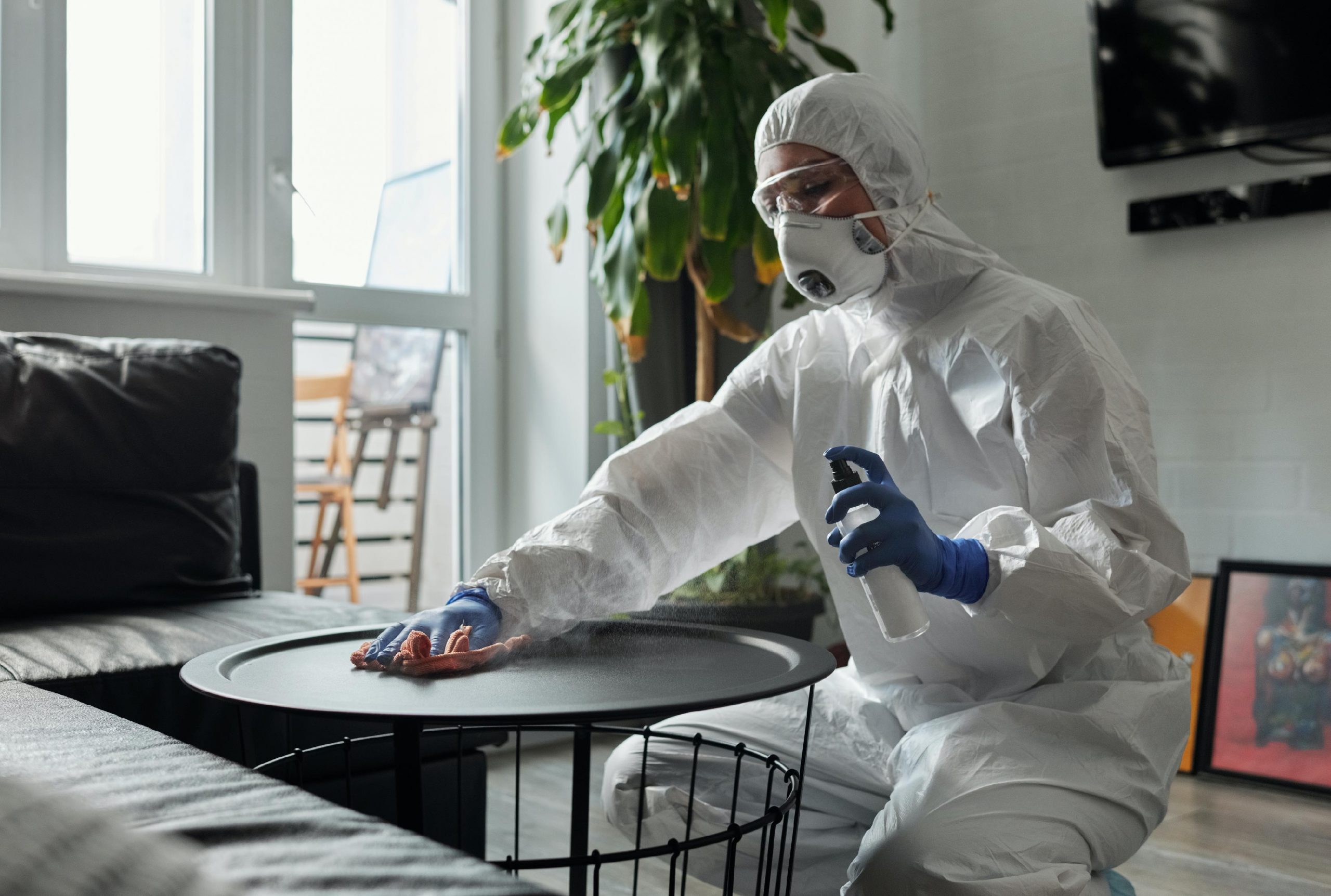
Expert providers like ICE Cleaning follow government and industry regulations to safely remove biohazardous waste, disinfect affected areas, and restore them to safe conditions. They use certified cleaning agents and advanced equipment to neutralise threats that standard cleaning products can’t handle.
While standard cleaners work on visible dirt, biohazard cleaners target invisible dangers that pose real health risks. They carefully manage every step to prevent cross-contamination and ensure no trace of harmful material remains.
When Should You Call Biohazard Cleaning Experts?
You should never attempt biohazard cleaning without professional help. If a property has been exposed to bodily fluids, sewage leaks, animal waste, or chemical spills, the risks extend far beyond appearance.
Pathogens like Hepatitis B, HIV, and other infectious bacteria can survive on surfaces for days, making untrained cleaning unsafe.
Certified technicians are trained to identify hidden contamination, contain affected areas, and safely dispose of hazardous waste. They also wear personal protective equipment (PPE) to reduce exposure and prevent spread. This level of safety assurance isn’t possible through general cleaning methods.
In emergencies, trained teams can be on-site quickly to assess the situation and carry out thorough decontamination. These measures protect not only the building but also anyone who enters it afterwards.
Why Biohazard Cleaning Matters for Safety and Compliance
Biohazard cleaning is as much about cleanliness, as it is about compliance and safety. Businesses, landlords, and property owners have a legal duty to maintain safe environments under UK health and safety regulations.
Failing to properly decontaminate hazardous areas can result in legal consequences and health risks for occupants.
Professional biohazard cleaning services follow approved disposal processes for contaminated waste and maintain detailed documentation for safety compliance. This ensures the property is not only visibly clean but legally and hygienically safe.
The Takeaway
Whether it’s an accident, flood, or contamination event, knowing the difference between standard and biohazard cleaning can make all the difference. Biohazard cleaning protects lives by eliminating invisible threats that ordinary cleaning can’t reach.
When you need urgent, professional help, trained specialists are available nationwide to respond quickly, assess the risk, and restore your property safely.