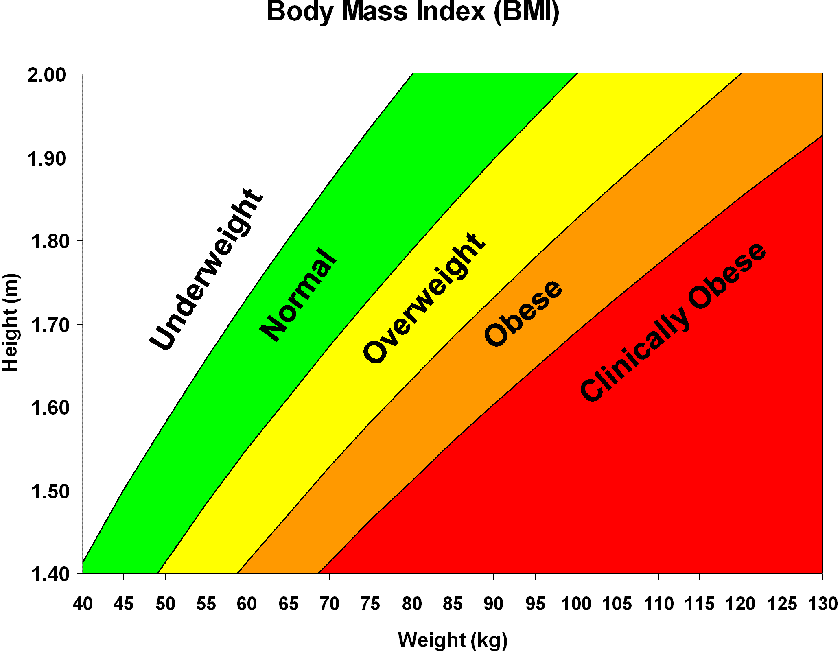
Body Mass Index, often referred to as BMI, is a widely used method in the United Kingdom to assess whether a person’s weight falls within a healthy range. It provides a simple numerical value based on height and weight, helping individuals and healthcare professionals quickly evaluate potential health risks associated with being underweight or overweight. This makes it a valuable starting point for understanding overall wellbeing.
In modern healthcare, tools like the bmi calculator uk have become essential for everyday users who want quick and reliable insights into their body composition. With rising awareness around obesity and lifestyle-related illnesses, many people in the UK are turning to digital solutions to monitor their health regularly. This article explores how BMI works, how to use it effectively, and how it fits into a broader health strategy.
What Is a BMI Calculator
A BMI calculator is an online tool designed to compute your body mass index using your height and weight. It removes the need for manual calculations and provides instant results, making it highly convenient for users of all ages. Whether you are checking your health for the first time or tracking progress over time, this tool offers a quick and accessible solution.
The bmi calculator uk is specifically designed to cater to UK users, supporting both metric and imperial measurement systems such as kilograms, centimetres, stones, and feet. This flexibility ensures that users can input their details accurately without confusion. It also aligns with UK health standards, making it more relevant and reliable for those living in the region.
How to Use a BMI Calculator UK
Using a bmi calculator uk is simple, even for those who are not familiar with online tools. You begin by entering your height and weight into the calculator, ensuring that you select the correct unit of measurement. Many calculators also allow optional inputs such as age and gender to provide a more personalised result.
Once the information is entered, the calculator instantly generates your BMI score along with a classification such as underweight, healthy, overweight, or obese. It is important to double-check your entries to avoid errors, as even small mistakes can lead to inaccurate results. Regular use of this tool can help you monitor changes in your weight and make informed health decisions.
BMI Formula Explained
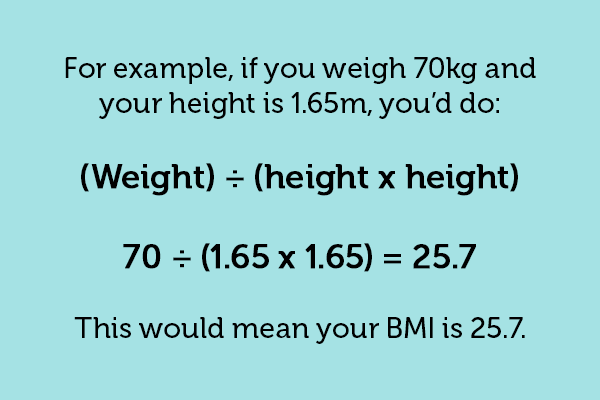
The BMI formula is based on a straightforward mathematical equation that divides your weight in kilograms by the square of your height in metres. While the formula itself is simple, calculating it manually can be inconvenient, especially when dealing with different unit systems or conversions.
This is where the bmi calculator uk becomes particularly useful, as it automates the entire process and delivers precise results within seconds. By removing the complexity of manual calculations, it allows users to focus on interpreting their results rather than worrying about mathematical accuracy. This convenience has made it a popular choice among individuals seeking quick health assessments.
Understanding Your BMI Results
Once you have your BMI score, it is categorised into different ranges that indicate your weight status. A score below 18.5 is considered underweight, between 18.5 and 24.9 is regarded as healthy, while higher values indicate overweight or obesity. These categories are used by healthcare professionals across the UK to assess potential health risks.
The bmi calculator uk often provides additional context to help users understand what their results mean. For instance, being outside the healthy range may increase the risk of conditions such as heart disease, diabetes, or joint problems. Understanding these implications can encourage individuals to take proactive steps towards improving their health and lifestyle.
BMI for Different Groups
BMI does not apply equally to everyone, and its interpretation can vary depending on factors such as age, gender, and body composition. For example, children and teenagers require specialised BMI charts that consider growth patterns, making standard adult calculations unsuitable for younger individuals.
Similarly, athletes and individuals with higher muscle mass may have elevated BMI scores despite having low body fat. The bmi calculator uk does not always account for these variations, so it is important to interpret results carefully. In such cases, additional measurements like waist circumference or body fat percentage may provide a more accurate picture of overall health.
Benefits and Limitations of BMI Calculators
One of the key advantages of using a bmi calculator uk is its simplicity and accessibility. It provides immediate results and requires minimal input, making it an ideal tool for regular health monitoring. This ease of use encourages individuals to stay aware of their weight and make adjustments when necessary.
However, BMI calculators are not without limitations. They do not distinguish between fat and muscle, nor do they account for factors such as age-related changes or fat distribution. As a result, relying solely on BMI may not provide a complete understanding of your health. It is best used alongside other indicators for a more comprehensive assessment.
Other Useful Online Calculators
In addition to health tools, online calculators play an important role in everyday life in the UK. Financial tools such as mortgage calculators, salary calculators, and tax calculators help individuals plan their finances more effectively and make informed decisions about spending and saving.
Health-related calculators, including calorie and TDEE calculators, complement tools like the bmi calculator uk by providing deeper insights into energy intake and expenditure. These tools collectively empower users to take control of both their financial and physical wellbeing, highlighting the growing importance of digital solutions in modern life.
Tips to Maintain a Healthy BMI
Maintaining a healthy BMI requires a balanced approach that includes both proper nutrition and regular physical activity. A diet rich in fruits, vegetables, whole grains, and lean proteins can support overall health while helping to manage weight effectively. Avoiding excessive sugar and processed foods is also essential.
Incorporating regular exercise into your routine, such as walking, cycling, or strength training, can significantly improve your fitness levels and help maintain a stable BMI. By using a bmi calculator uk regularly, you can track your progress and make adjustments to your lifestyle as needed, ensuring long-term health and wellbeing.
Conclusion
Understanding and monitoring your BMI is an important step towards achieving better health. It provides a simple yet effective way to evaluate your weight status and identify potential risks before they develop into serious conditions. This makes it a valuable tool for individuals of all ages.
Using a bmi calculator uk regularly can help you stay informed and proactive about your health journey. While it should not replace professional medical advice, it serves as a useful starting point for making positive lifestyle changes. Combining BMI insights with healthy habits can lead to lasting improvements in overall wellbeing.
FAQs
What is the ideal BMI range in the UK?
The ideal BMI range for most adults in the UK falls between 18.5 and 24.9. This range is considered healthy and is associated with a lower risk of developing weight-related health issues.
Is the bmi calculator uk accurate for everyone?
The bmi calculator uk provides a general estimate of body weight status, but it may not be accurate for individuals with high muscle mass or unique body compositions. It is best used as a guideline rather than a definitive measure.
Can children use a BMI calculator?
Children can use BMI calculators, but their results must be interpreted using age- and gender-specific charts. Standard adult BMI ranges do not apply to younger individuals due to differences in growth and development.
How often should I check my BMI?
Checking your BMI every few months is generally sufficient, especially if you are making lifestyle changes. Regular monitoring can help you stay on track and identify trends in your weight over time.
What should I do if my BMI is outside the healthy range?
If your BMI falls outside the recommended range, consider improving your diet and increasing physical activity. Consulting a healthcare professional can also provide personalised advice and support for achieving a healthier weight.
You may also read: How to Make the Most of a Pandora Sale