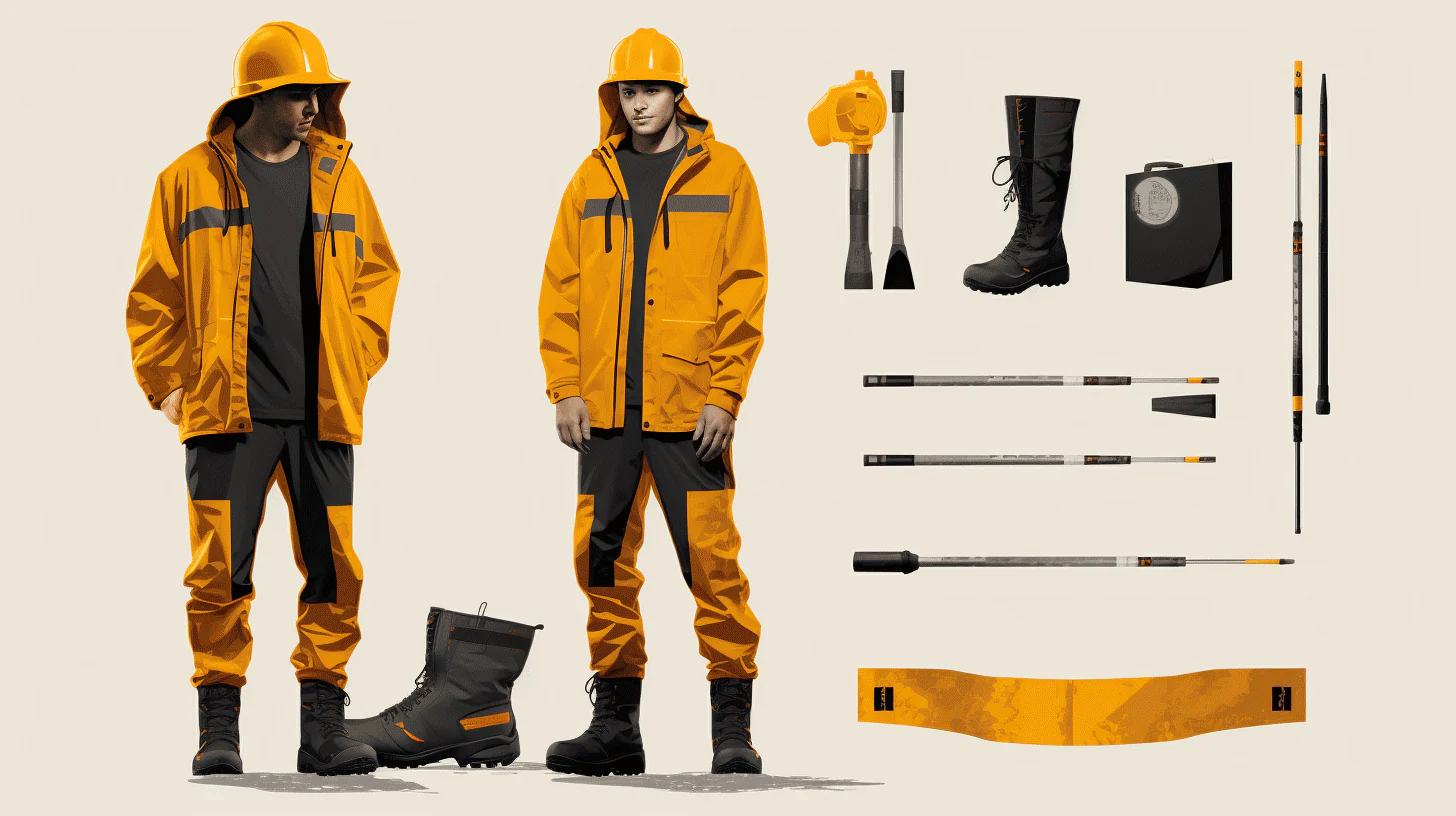
Working on a construction site often means dealing with rain, wind, and sudden weather changes. Wet conditions are not the exception, they are part of everyday site life. When clothing fails to protect against rain, productivity drops and risks rise.
That is why understanding the role of proper rain gear is essential for anyone working outdoors. Continue reading to see why the right approach to wet weather clothing matters.
The Reality of Weather on UK Construction Sites
The UK sees rainfall spread fairly evenly across the year, with many regions experiencing over 150 rainy days annually. On exposed sites such as roadworks, scaffolding, or groundwork projects, workers are often outdoors for long stretches. In these conditions, staying dry is not about comfort alone. Cold, wet clothing may increase fatigue, reduce concentration, and make simple tasks harder to carry out safely.
Rain also affects surfaces, tools, and visibility. When workers are distracted by discomfort or trying to keep warm, attention shifts away from the job. Over time, that combination might raise the likelihood of mistakes or minor injuries.
How Wet Clothing Affects Safety and Performance
Wet clothing clings to the body and loses its ability to trap warmth. In cooler months, this can cause body temperature to drop faster than expected. Even in milder weather, damp layers often lead to irritation and restricted movement.
Good rainwear is designed to shed water while allowing heat and moisture from the body to escape. This balance matters because trapped sweat can feel just as uncomfortable as rain. When workers feel dry and able to move freely, they are more likely to stay focused and alert throughout the shift.
What Makes Construction Rain Gear Fit for Purpose
Not all waterproof clothing suits site work, especially when conditions are demanding. On active sites, construction rain gear needs to cope with abrasion, constant movement, and long hours of wear. Fabrics are often thicker than everyday waterproof jackets, offering better resistance to tearing and damage from tools or rough surfaces.
Key features usually include sealed seams to block water entry, adjustable cuffs and hoods to keep rain out, and high-visibility elements where required. Breathability also matters, as it helps manage body heat during physical tasks. Without it, workers may feel clammy even when rain stays on the outside.
Comfort Enables Consistency on Site
Comfort is sometimes overlooked by construction workers, but it plays a big role in how consistently gear is worn. If waterproofs feel stiff, noisy, or restrictive, workers may avoid wearing them properly. Over time, that habit reduces protection.
Well-designed rain gear supports natural movement like bending, lifting, and reaching. Lightweight options that still offer durability help workers layer clothing underneath without feeling bulky. When gear feels right, it is more likely to stay on for the full shift.
Meeting UK Site Expectations and Standards
UK construction sites often operate under strict health and safety expectations. Employers are responsible for providing suitable protective clothing when weather conditions demand it. While rain gear alone does not prevent accidents, it forms part of a wider approach to site safety and welfare.
Proper waterproof clothing also helps workers comply with site rules around visibility and appropriate dress. Staying dry supports steadier performance, especially during long or demanding projects.
Wrapping Up
Rain is part of construction work, but discomfort does not have to be. The right rain gear supports safety, comfort, and steady performance when conditions turn wet. Always consider the demands of the job, the length of exposure, and how clothing feels during movement.
For personal health and safety decisions, it is wise to consult site guidance or a qualified professional.